Rome, 2 April (LaPresse) – Gabriele Gravina has resigned as president of the FIGC. Elections to find his successor will take place on 22 June in Rome. A meeting between President Gabriele Gravina and the presidents of the federation’s constituent bodies took place today at the FIGC headquarters in Rome. At the start of the meeting, Gravina informed the top representatives of Serie A (Ezio Maria Simonelli), Lega B (Paolo Bedin), Lega Pro (Matteo Marani), the National Amateur League (Giancarlo Abete), Umberto Calcagno of the Italian Footballers’ Association and Renzo Ulivieri of the Italian Football Coaches’ Association, that he had resigned from the post entrusted to him in February 2025 and had arranged for the FIGC Extraordinary Elective Assembly to be held on 22 June in Rome. The date has been set in full compliance with the Federal Statutes and to ensure that the new leadership can complete the registration process for the upcoming professional leagues. During the meeting, Gravina also thanked the members for having reaffirmed, both publicly and privately, their solidarity and support for him, and informed the presidents that he had willingly agreed to appear at a hearing on 8 April (at 11am) before the VII Committee on Culture, Science and Education of the Chamber of Deputies to report on the state of Italian football. It will be on that occasion that President Gravina will present, as fully and comprehensively as possible, a report on the strengths and weaknesses of the movement, also touching upon some of the issues already addressed at the press conference held after the national team’s match played in Zenica last Tuesday, 31 March. In this regard, Gravina expressed regret at the interpretation of his words regarding the difference between amateur and professional sports, which were in no way intended to be offensive to any sporting discipline, but rather referred to the different internal rules and regulations (for example, the presence within the governance of certain federations of leagues with their respective autonomies) and external ones (with specific reference to the corporate nature of professional football clubs, which must comply with national and international legislation that differs from that applicable to amateur clubs).
FIGC: Gravina has resigned; the vote for the new president will take place on 22 June
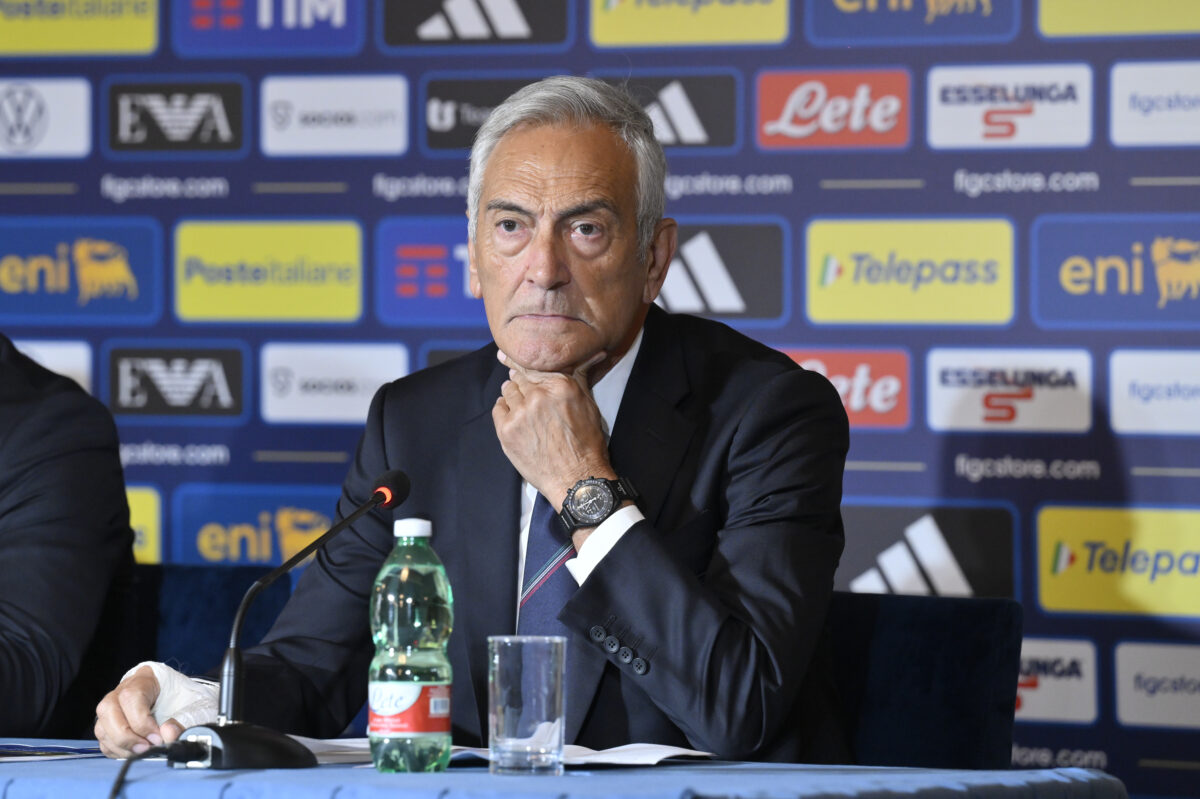

Rome, 2 April (LaPresse) – Gabriele Gravina has resigned as president of the FIGC. Elections to find his successor will take place on 22 June in Rome. A meeting between President Gabriele Gravina and the presidents of the federation’s constituent bodies took place today at the FIGC headquarters in Rome. At the start of the meeting, Gravina informed the top representatives of Serie A (Ezio Maria Simonelli), Lega B (Paolo Bedin), Lega Pro (Matteo Marani), the National Amateur League (Giancarlo Abete), Umberto Calcagno of the Italian Footballers’ Association and Renzo Ulivieri of the Italian Football Coaches’ Association, that he had resigned from the post entrusted to him in February 2025 and had arranged for the FIGC Extraordinary Elective Assembly to be held on 22 June in Rome. The date has been set in full compliance with the Federal Statutes and to ensure that the new leadership can complete the registration process for the upcoming professional leagues. During the meeting, Gravina also thanked the members for having reaffirmed, both publicly and privately, their solidarity and support for him, and informed the presidents that he had willingly agreed to appear at a hearing on 8 April (at 11am) before the VII Committee on Culture, Science and Education of the Chamber of Deputies to report on the state of Italian football. It will be on that occasion that President Gravina will present, as fully and comprehensively as possible, a report on the strengths and weaknesses of the movement, also touching upon some of the issues already addressed at the press conference held after the national team’s match played in Zenica last Tuesday, 31 March. In this regard, Gravina expressed regret at the interpretation of his words regarding the difference between amateur and professional sports, which were in no way intended to be offensive to any sporting discipline, but rather referred to the different internal rules and regulations (for example, the presence within the governance of certain federations of leagues with their respective autonomies) and external ones (with specific reference to the corporate nature of professional football clubs, which must comply with national and international legislation that differs from that applicable to amateur clubs).