
Vatican City (Vatican), 27 Apr. (LaPresse) – “War has become the object of an idolatrous cult: people no longer sit at the table to absolutely avoid conflicts, but instead keep them very much in mind as a possible or even inevitable scenario. Civilians are no longer considered collateral victims, but become damage to be attributed to the enemy’s failure to surrender or instruments functional to achieving one’s own objective. War acts as an end in itself. Some world powers, which once presented themselves as guarantors of the international order, now reveal a different face: they choose which side to stand on not on the basis of justice, but according to their own strategic and economic interests. A large part of institutions – civil, political, religious – thus end up remaining silent and powerless spectators in the face of the emergence of this new world disorder.” So said the Latin Patriarch of Jerusalem, Cardinal Pierbattista Pizzaballa, in the letter ‘They returned to Jerusalem with great joy’. “The ongoing war has raised other ethical questions for which we were not prepared. I am thinking, in particular, of the use of artificial intelligence in military operations. It is no longer just about increasingly sophisticated weapons or remotely controlled drones: we are entering a phase in which algorithms select targets and make decisions that until yesterday remained exclusively human. What happens when a machine decides who lives and who dies? What responsibility remains for humans? These are new questions, for which we do not yet have answers, but which we can no longer afford to ignore.”
Middle East, Pizzaballa: “World powers show a different face with war”
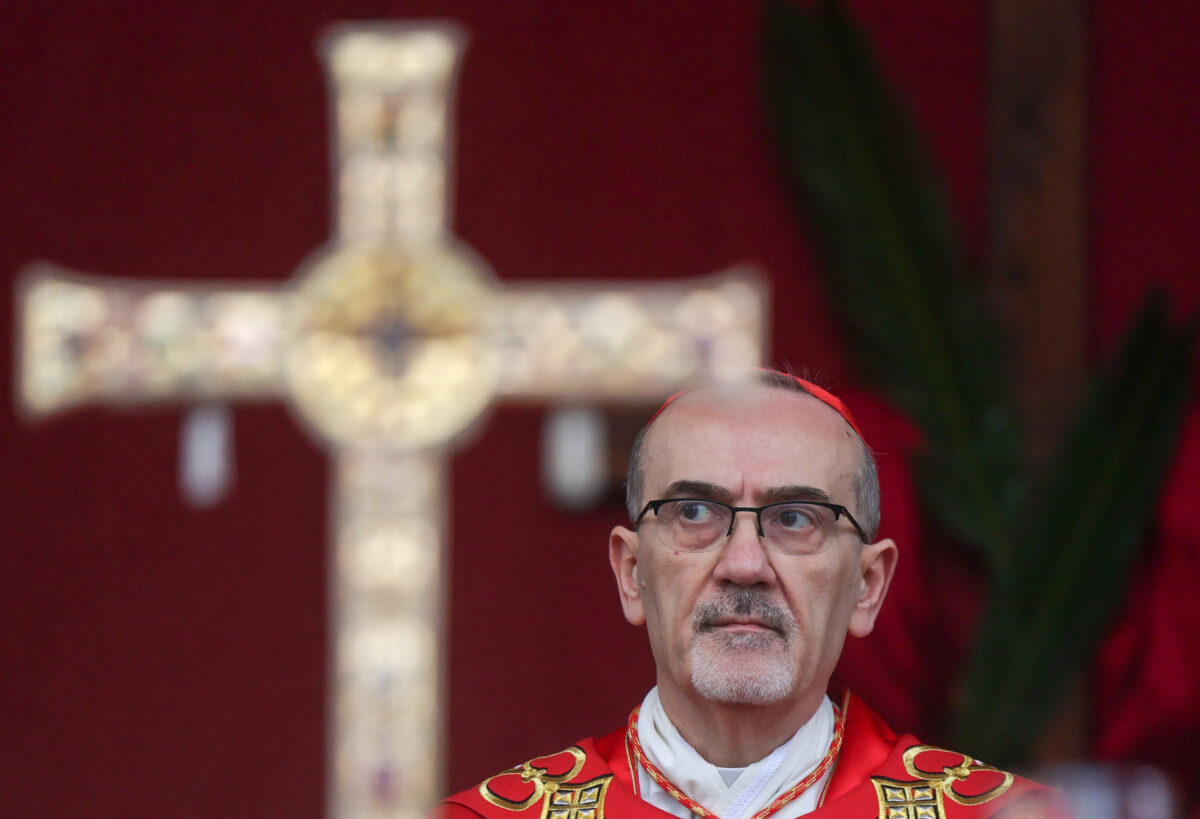

Vatican City (Vatican), 27 Apr. (LaPresse) – “War has become the object of an idolatrous cult: people no longer sit at the table to absolutely avoid conflicts, but instead keep them very much in mind as a possible or even inevitable scenario. Civilians are no longer considered collateral victims, but become damage to be attributed to the enemy’s failure to surrender or instruments functional to achieving one’s own objective. War acts as an end in itself. Some world powers, which once presented themselves as guarantors of the international order, now reveal a different face: they choose which side to stand on not on the basis of justice, but according to their own strategic and economic interests. A large part of institutions – civil, political, religious – thus end up remaining silent and powerless spectators in the face of the emergence of this new world disorder.” So said the Latin Patriarch of Jerusalem, Cardinal Pierbattista Pizzaballa, in the letter ‘They returned to Jerusalem with great joy’. “The ongoing war has raised other ethical questions for which we were not prepared. I am thinking, in particular, of the use of artificial intelligence in military operations. It is no longer just about increasingly sophisticated weapons or remotely controlled drones: we are entering a phase in which algorithms select targets and make decisions that until yesterday remained exclusively human. What happens when a machine decides who lives and who dies? What responsibility remains for humans? These are new questions, for which we do not yet have answers, but which we can no longer afford to ignore.”