
Milan, Jun. 20 (LaPresse) – “People talk about Vannacci, not Vannacci, but something happened before that. After four years in government, as soon as people went to vote on a reform wanted by the government itself, the government lost. It does not have a majority.” This was stated by CGIL General Secretary Maurizio Landini in an interview during the celebration of the 125th anniversary of FIOM Emilia-Romagna, entitled ‘Without work there is no history’, in Piazza Lucio Dalla in Bologna. “No doctor prescribed the trade union, it is a right of workers. The trade union does not exist unless workers decide to come together to solve their problems. The task of the trade union is to affirm the dignity of working people,” Landini added. “When I look at a young person today, I see a great difference compared to my own experience, because when I think back to when I started working, in 1976-1977, I did not experience precarious employment. I did not need someone to recommend me; there was the local employment office that put me in contact with those looking for workers. I found rights thanks to the struggles of those who came before me. For young people today, however, work is not based on rights, but on precariousness and exploitation.”
Government, Landini: “The problem is not only Vannacci, before that there was the defeat in the referendum”
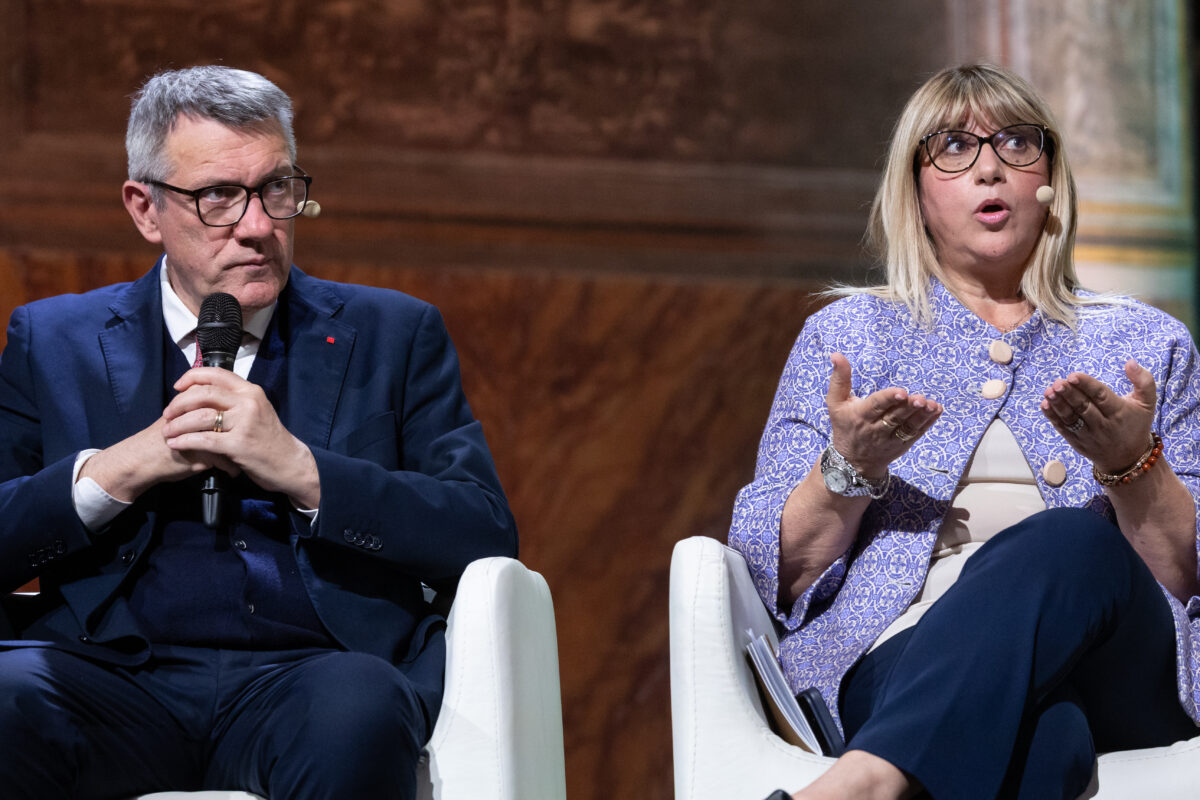

Milan, Jun. 20 (LaPresse) – “People talk about Vannacci, not Vannacci, but something happened before that. After four years in government, as soon as people went to vote on a reform wanted by the government itself, the government lost. It does not have a majority.” This was stated by CGIL General Secretary Maurizio Landini in an interview during the celebration of the 125th anniversary of FIOM Emilia-Romagna, entitled ‘Without work there is no history’, in Piazza Lucio Dalla in Bologna. “No doctor prescribed the trade union, it is a right of workers. The trade union does not exist unless workers decide to come together to solve their problems. The task of the trade union is to affirm the dignity of working people,” Landini added. “When I look at a young person today, I see a great difference compared to my own experience, because when I think back to when I started working, in 1976-1977, I did not experience precarious employment. I did not need someone to recommend me; there was the local employment office that put me in contact with those looking for workers. I found rights thanks to the struggles of those who came before me. For young people today, however, work is not based on rights, but on precariousness and exploitation.”