
Milan, 21 June (LaPresse) – “Heatwaves are not merely a source of discomfort: they represent a genuine risk to public health, particularly for the elderly, the frail and those suffering from chronic cardiovascular, respiratory, metabolic or renal conditions.” This was stated in a press release by Fabrizio Pregliasco, director of the postgraduate school of hygiene and preventive medicine at the University of Milan (La Statale), past president of ANPAS and vice-president of Samaritan International, explaining the health consequences for the public of this record-breaking heatwave – characterised by high levels of humidity, particularly in the north – which is set to last for many more days. “The European data for 2025 are particularly significant. According to available estimates, over 16,000 deaths were linked to extreme temperatures in the European Union, and Italy was the hardest-hit country, with more than 4,500 fatalities. Milan was the European city with the highest number of heat-related deaths, over 1,100 throughout the summer; during one of the most intense heatwaves, more than 300 deaths were estimated in just ten days. These figures should not be interpreted from an emotional perspective, but from a public health one. Every year we see an increase in mortality during periods of extreme heat, particularly when maximum temperatures consistently exceed 35–40 degrees and night-time lows remain above 25 degrees. Under these conditions, the body – particularly that of the most vulnerable people – is unable to recover from the heat stress accumulated during the day.”
Pregliasco: “More than 4,500 deaths in Italy every year due to the heat – prevention is needed”
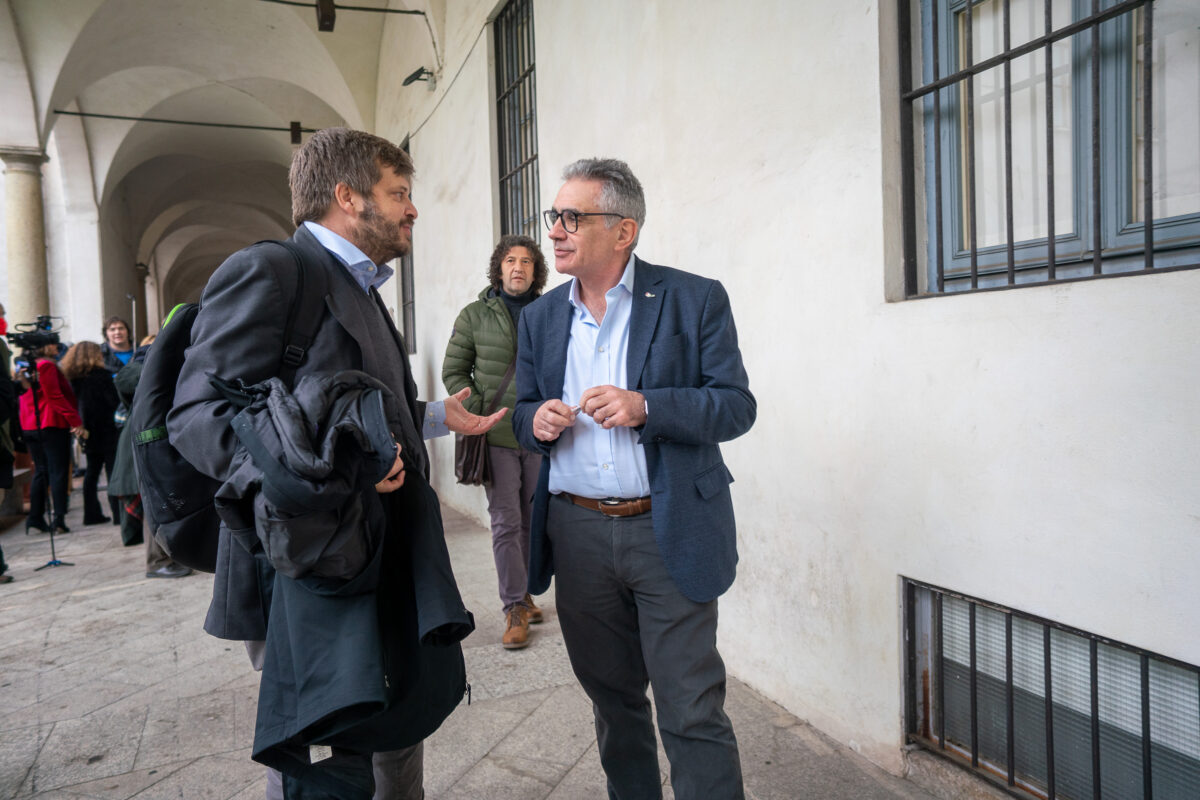

Milan, 21 June (LaPresse) – “Heatwaves are not merely a source of discomfort: they represent a genuine risk to public health, particularly for the elderly, the frail and those suffering from chronic cardiovascular, respiratory, metabolic or renal conditions.” This was stated in a press release by Fabrizio Pregliasco, director of the postgraduate school of hygiene and preventive medicine at the University of Milan (La Statale), past president of ANPAS and vice-president of Samaritan International, explaining the health consequences for the public of this record-breaking heatwave – characterised by high levels of humidity, particularly in the north – which is set to last for many more days. “The European data for 2025 are particularly significant. According to available estimates, over 16,000 deaths were linked to extreme temperatures in the European Union, and Italy was the hardest-hit country, with more than 4,500 fatalities. Milan was the European city with the highest number of heat-related deaths, over 1,100 throughout the summer; during one of the most intense heatwaves, more than 300 deaths were estimated in just ten days. These figures should not be interpreted from an emotional perspective, but from a public health one. Every year we see an increase in mortality during periods of extreme heat, particularly when maximum temperatures consistently exceed 35–40 degrees and night-time lows remain above 25 degrees. Under these conditions, the body – particularly that of the most vulnerable people – is unable to recover from the heat stress accumulated during the day.”