
Milan, 23 June (LaPresse) – “In recent days, there have been reports of attempted scams targeting Italian business owners via fake WhatsApp accounts, falsely attributed to Alfredo Mantovano, Undersecretary to the Prime Minister’s Office. The messages aim to persuade recipients to sign ‘confidentiality agreements’ or to send sums of money, with requests for financial contributions towards non-existent government initiatives. In other cases, the aim is to obtain sensitive data and information from the recipient, such as the handwritten signature of a company’s top executive, which is subsequently used to deceive employees or customers and secure money transfers.” This is reported in a statement from Palazzo Chigi. “The scheme follows a typical cybercrime trope: contact requests, sent via instant messaging systems from accounts registered with false personal details and featuring photographs of individuals holding institutional roles, formulated in a highly plausible manner. When the recipient accepts the contact, an email exchange follows, which usually contains an invitation to sign a confidentiality agreement, or at any rate instructions on how to keep the exchange going. Intelligence-gathering and investigative activities are currently underway, partly following the complaint that Mantovano himself lodged as soon as he became aware of the unauthorised use of his name and image,” the statement concludes.
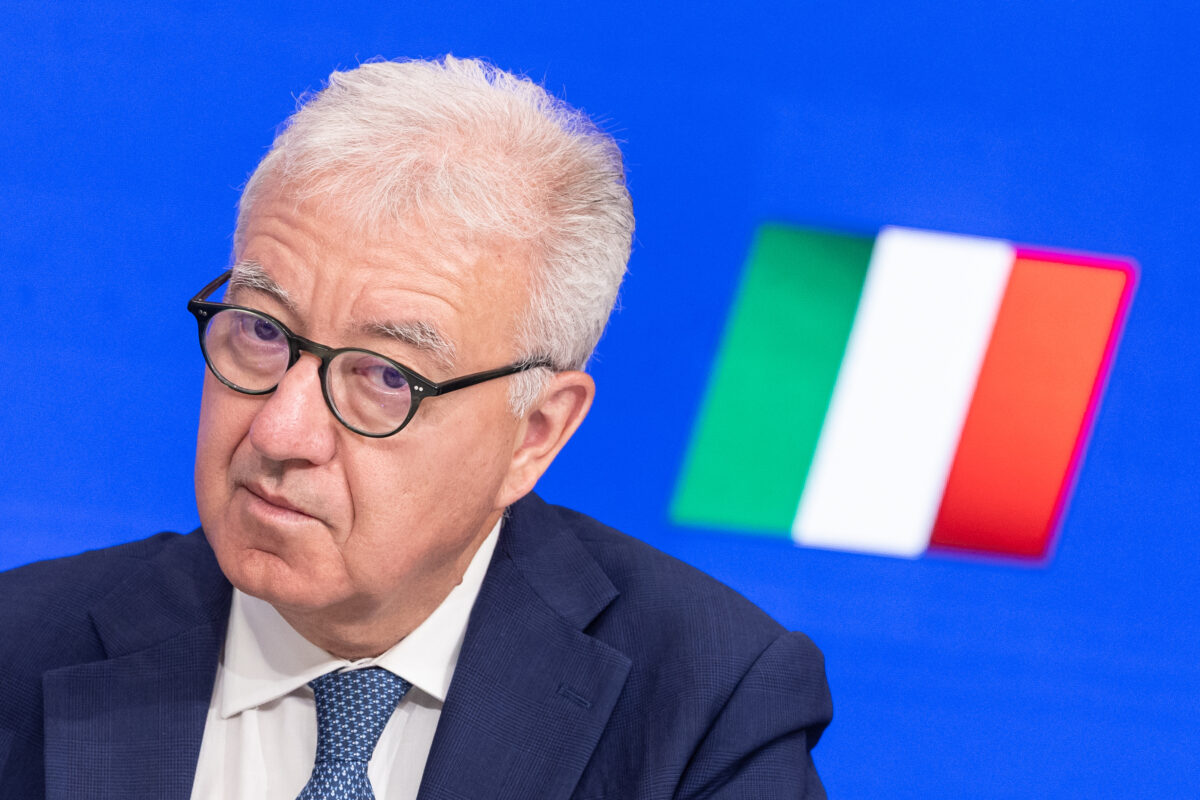
Attempted scams targeting business owners via fake WhatsApp accounts linked to Mantovano; he reports the matter

Milan, 23 June (LaPresse) – “In recent days, there have been reports of attempted scams targeting Italian business owners via fake WhatsApp accounts, falsely attributed to Alfredo Mantovano, Undersecretary to the Prime Minister’s Office. The messages aim to persuade recipients to sign ‘confidentiality agreements’ or to send sums of money, with requests for financial contributions towards non-existent government initiatives. In other cases, the aim is to obtain sensitive data and information from the recipient, such as the handwritten signature of a company’s top executive, which is subsequently used to deceive employees or customers and secure money transfers.” This is reported in a statement from Palazzo Chigi. “The scheme follows a typical cybercrime trope: contact requests, sent via instant messaging systems from accounts registered with false personal details and featuring photographs of individuals holding institutional roles, formulated in a highly plausible manner. When the recipient accepts the contact, an email exchange follows, which usually contains an invitation to sign a confidentiality agreement, or at any rate instructions on how to keep the exchange going. Intelligence-gathering and investigative activities are currently underway, partly following the complaint that Mantovano himself lodged as soon as he became aware of the unauthorised use of his name and image,” the statement concludes.