
Rome, 13 July (LaPresse) – “Giovanni Falcone was one of the first magistrates to bring the Mafia to court, which above all meant giving it a name, which meant putting it on trial, which meant saying that this evil could be fought. He did so without fear – without fear of naming names, without fear of holding Mafia members to account, without fear of exposing the code of silence that had, until then, shielded their crimes and business dealings. To throw truths in the face of public opinion that would otherwise have been silenced.” So said the Prime Minister, Giorgia Meloni, at the unveiling ceremony for the Fiat Croma in which Giovanni Falcone and his wife Francesca Morvillo were travelling on 23 May 1992, at the ‘Giovanni Falcone and Paolo Borsellino’ Museum of the Present in Palermo. “It is clear, therefore, that for Cosa Nostra, Judge Falcone deserved an exemplary punishment – the most brutal, the most violent – because that punishment was meant to be a warning and a message: no one could challenge the Mafia,” said the Prime Minister. Except that, in this case, Cosa Nostra made a huge miscalculation. Because that massacre, which was intended to intimidate the State and break the will of the Italian people, had the exact opposite effect: it spurred people to react. Thousands of citizens decided they would no longer look the other way. And so a new civic awareness was born – the realisation that fighting the Mafia had become a shared responsibility. It was no longer solely the task of the police and the judiciary. From that grief sprang a mobilisation that changed the relationship between Italians and the Mafia forever.”
Mafia: Meloni says Capaci was intended to intimidate the state but instead spurred people to fight back
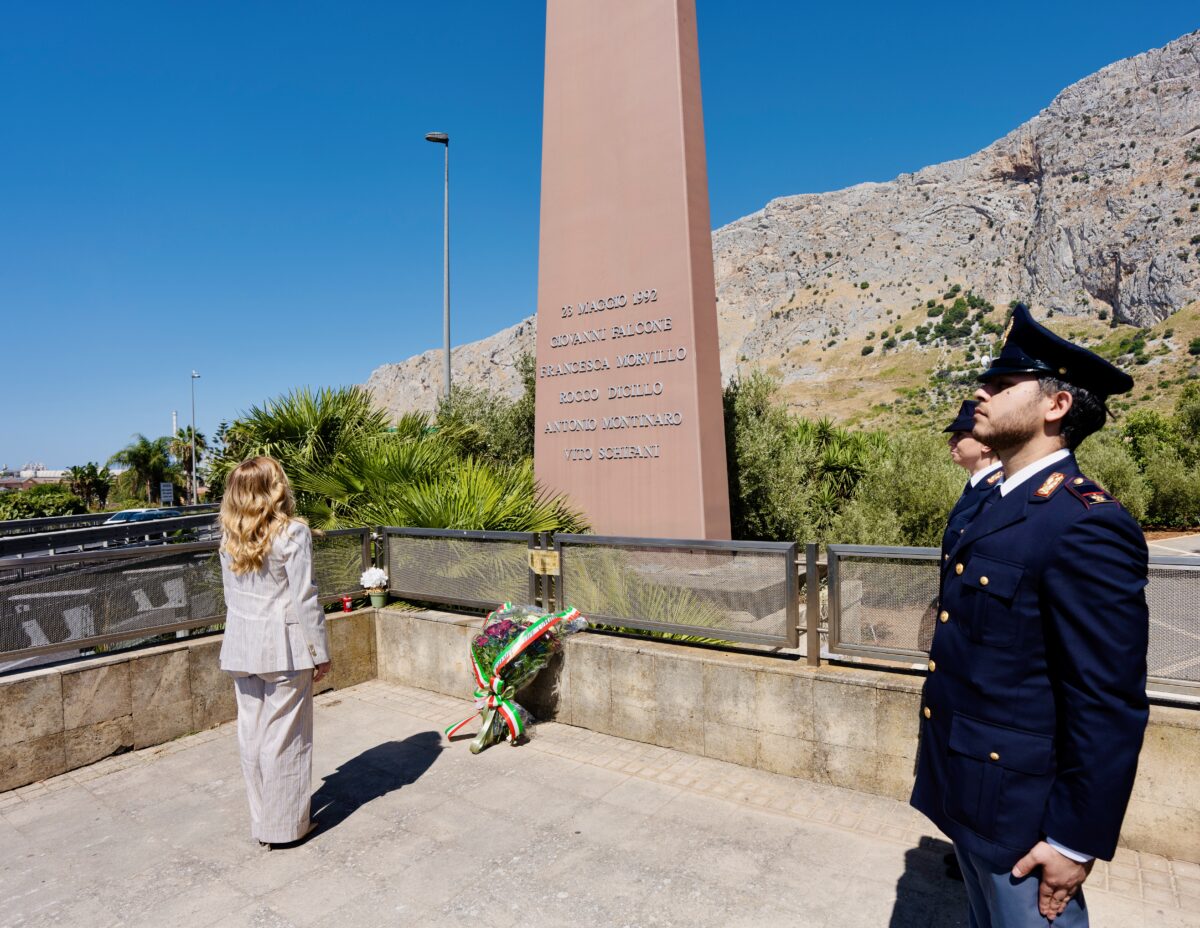

Rome, 13 July (LaPresse) – “Giovanni Falcone was one of the first magistrates to bring the Mafia to court, which above all meant giving it a name, which meant putting it on trial, which meant saying that this evil could be fought. He did so without fear – without fear of naming names, without fear of holding Mafia members to account, without fear of exposing the code of silence that had, until then, shielded their crimes and business dealings. To throw truths in the face of public opinion that would otherwise have been silenced.” So said the Prime Minister, Giorgia Meloni, at the unveiling ceremony for the Fiat Croma in which Giovanni Falcone and his wife Francesca Morvillo were travelling on 23 May 1992, at the ‘Giovanni Falcone and Paolo Borsellino’ Museum of the Present in Palermo. “It is clear, therefore, that for Cosa Nostra, Judge Falcone deserved an exemplary punishment – the most brutal, the most violent – because that punishment was meant to be a warning and a message: no one could challenge the Mafia,” said the Prime Minister. Except that, in this case, Cosa Nostra made a huge miscalculation. Because that massacre, which was intended to intimidate the State and break the will of the Italian people, had the exact opposite effect: it spurred people to react. Thousands of citizens decided they would no longer look the other way. And so a new civic awareness was born – the realisation that fighting the Mafia had become a shared responsibility. It was no longer solely the task of the police and the judiciary. From that grief sprang a mobilisation that changed the relationship between Italians and the Mafia forever.”