
Rome, 25 July (LaPresse) – “In complex cases where asphyxiation due to compression is suspected, one must always exercise great caution in the diagnostic interpretation.” This is stated in a video by the forensic pathologist and expert witness Vittorio Fineschi, commenting on the details that have emerged regarding the death of Abderrahim Fakir, the 42-year-old who died whilst in police custody in the Pilastro district of Bologna. “It goes without saying that the information must be extremely accurate, and if there are fractures, it must be stated that they were fractures,” adds the lawyer, emphasising the need to await the outcome of the investigations. Fineschi refers in particular to the finding – which has already been made public – of blood in the airways detected during the post-mortem examination. “The condition of the lungs is of fundamental importance,” he explains, “and this is one of the key findings associated with deaths caused by compressive asphyxia.” According to the lawyer, however, “it is too early to make any conclusive diagnoses”: further analysis of the organs that have already been removed and preserved, toxicological tests and histological examinations will be required. “Only once these have been completed will it be possible to reach a comprehensive diagnosis that truly sheds light on such a complex and sensitive case,” concludes Fineschi.
Fakir’s death: family’s forensic pathologist says, “We must be cautious about the cause of death; further tests are needed”
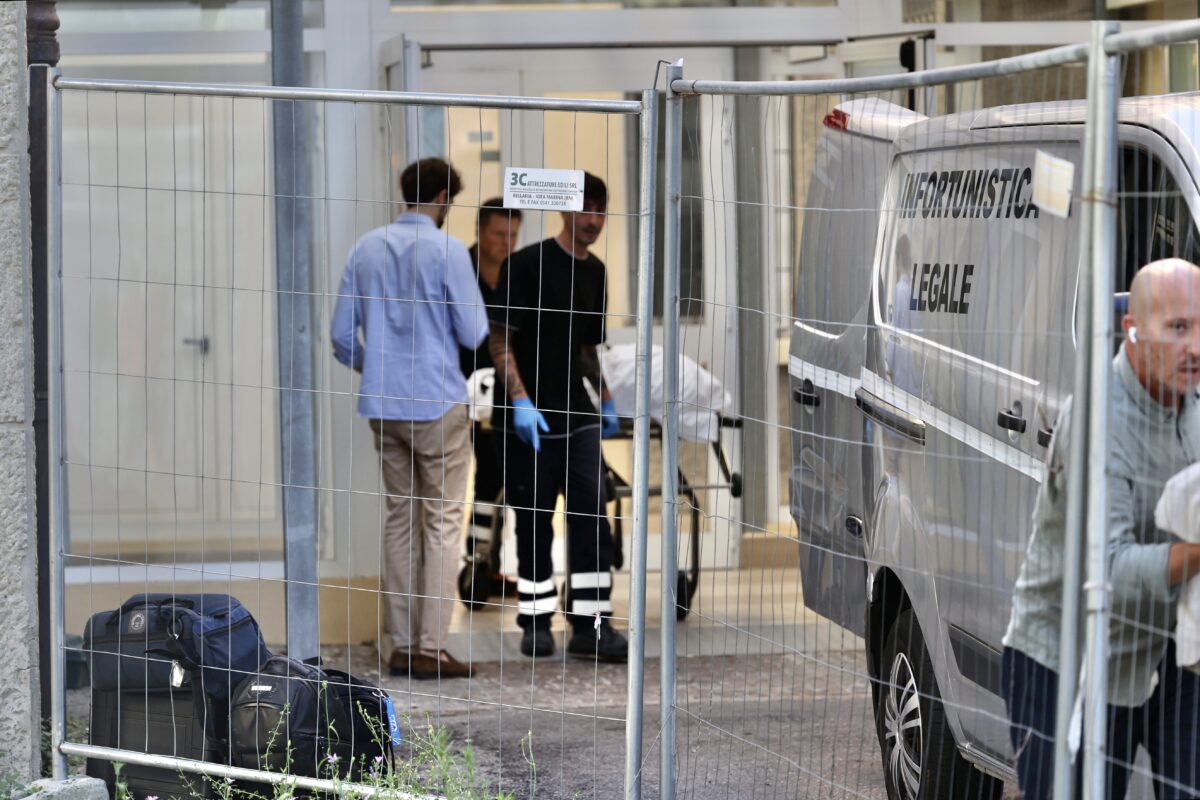

Rome, 25 July (LaPresse) – “In complex cases where asphyxiation due to compression is suspected, one must always exercise great caution in the diagnostic interpretation.” This is stated in a video by the forensic pathologist and expert witness Vittorio Fineschi, commenting on the details that have emerged regarding the death of Abderrahim Fakir, the 42-year-old who died whilst in police custody in the Pilastro district of Bologna. “It goes without saying that the information must be extremely accurate, and if there are fractures, it must be stated that they were fractures,” adds the lawyer, emphasising the need to await the outcome of the investigations. Fineschi refers in particular to the finding – which has already been made public – of blood in the airways detected during the post-mortem examination. “The condition of the lungs is of fundamental importance,” he explains, “and this is one of the key findings associated with deaths caused by compressive asphyxia.” According to the lawyer, however, “it is too early to make any conclusive diagnoses”: further analysis of the organs that have already been removed and preserved, toxicological tests and histological examinations will be required. “Only once these have been completed will it be possible to reach a comprehensive diagnosis that truly sheds light on such a complex and sensitive case,” concludes Fineschi.