
Milan, 27 July (LaPresse) – Lawyer Fabio Anselmo, representing the family of Abderrahim Fakir, is calling on the judicial authorities investigating the 43-year-old’s death during a police operation to “identify” those who “shared the bodycam footage – which is subject to investigative secrecy and whose disclosure constitutes a criminal offence – with parties outside the judicial authorities conducting the investigation, and made it public” . Anselmo points out that Fakir’s defence team had requested access to the bodycam footage of one of the police officers involved in the incident, but the application had been rejected “as these were documents included in the investigation file and subject to investigative secrecy”. “However,” the lawyer’s application states, “new stills from the same video appeared on national news programmes”, which the defence still does not possess and which “are presumed” to be in the possession “exclusively of the person who made the recording”. Any “disclosure of such material can only have come” from the person who actually made the video or, alternatively, “from third parties who came into possession” of the images because they were tasked with carrying out investigations.
Fakir’s death: family’s lawyer: “Prosecutors must identify those who released the bodycam footage”
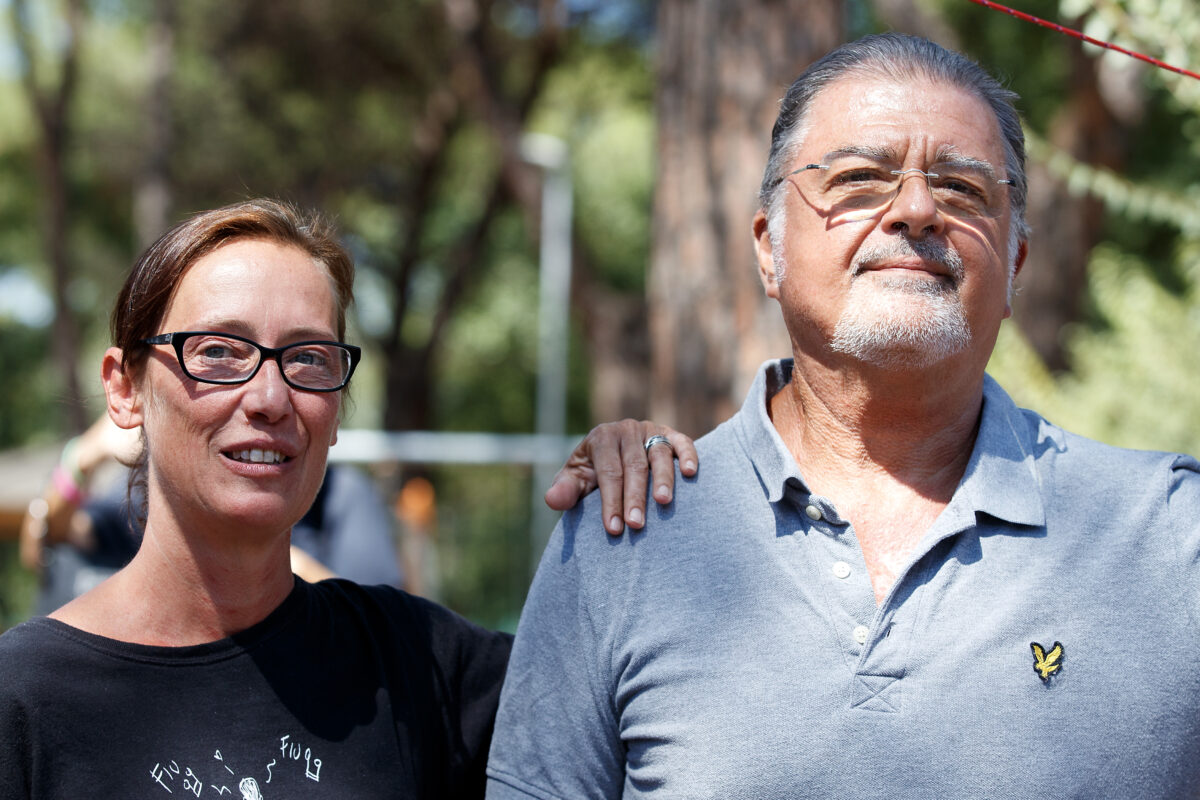

Milan, 27 July (LaPresse) – Lawyer Fabio Anselmo, representing the family of Abderrahim Fakir, is calling on the judicial authorities investigating the 43-year-old’s death during a police operation to “identify” those who “shared the bodycam footage – which is subject to investigative secrecy and whose disclosure constitutes a criminal offence – with parties outside the judicial authorities conducting the investigation, and made it public” . Anselmo points out that Fakir’s defence team had requested access to the bodycam footage of one of the police officers involved in the incident, but the application had been rejected “as these were documents included in the investigation file and subject to investigative secrecy”. “However,” the lawyer’s application states, “new stills from the same video appeared on national news programmes”, which the defence still does not possess and which “are presumed” to be in the possession “exclusively of the person who made the recording”. Any “disclosure of such material can only have come” from the person who actually made the video or, alternatively, “from third parties who came into possession” of the images because they were tasked with carrying out investigations.