
Rome, 13 Aug. (LaPresse) – “It is encouraging that Matteo Renzi has revived the proposal to make egg freezing free of charge in Italy too, following France’s example. This is an issue on which Parliament can already take concrete action: last October, we in fact tabled a bill in the Chamber of Deputies that goes precisely in this direction.” This was stated by MP Gian Antonio Girelli, the lead signatory of Bill No. 2652, which was also signed by MPs Silvio Lai, Sara Ferrari and Giovanna Iacono, among others, and which sets out provisions for access to healthcare services for the cryopreservation of oocytes and ovarian tissue and for their inclusion in the essential levels of care covered by the National Health Service. “Our proposal is based on a simple principle,” he explains, “namely that the ability to preserve one’s fertility cannot depend on a woman’s financial circumstances. At present, social freezing for reasons not strictly medical involves significant costs and is therefore, in practice, accessible mainly to those who can afford it. This is an inequality that we must overcome.”
Birth rate: PD to Renzi: “Support the Democrats’ proposal in Parliament on egg freezing”
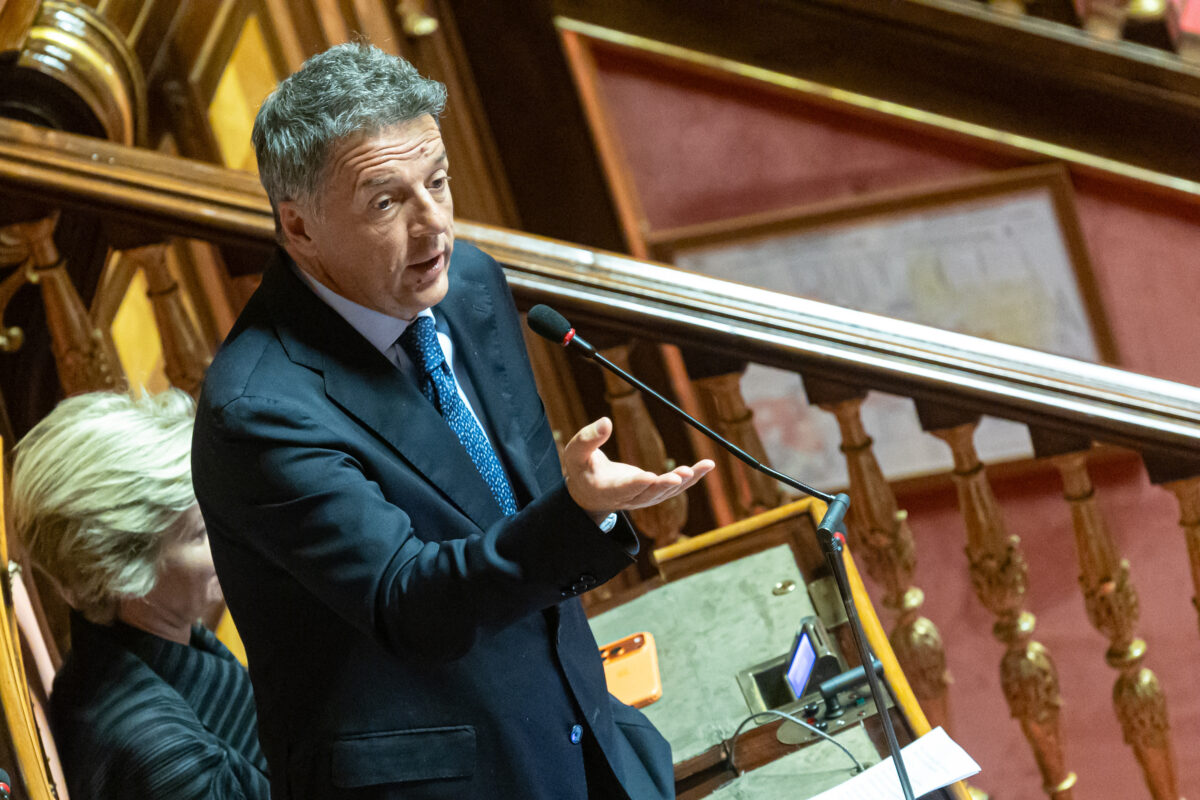

Rome, 13 Aug. (LaPresse) – “It is encouraging that Matteo Renzi has revived the proposal to make egg freezing free of charge in Italy too, following France’s example. This is an issue on which Parliament can already take concrete action: last October, we in fact tabled a bill in the Chamber of Deputies that goes precisely in this direction.” This was stated by MP Gian Antonio Girelli, the lead signatory of Bill No. 2652, which was also signed by MPs Silvio Lai, Sara Ferrari and Giovanna Iacono, among others, and which sets out provisions for access to healthcare services for the cryopreservation of oocytes and ovarian tissue and for their inclusion in the essential levels of care covered by the National Health Service. “Our proposal is based on a simple principle,” he explains, “namely that the ability to preserve one’s fertility cannot depend on a woman’s financial circumstances. At present, social freezing for reasons not strictly medical involves significant costs and is therefore, in practice, accessible mainly to those who can afford it. This is an inequality that we must overcome.”