
Boston (Massachusetts, USA), 27 Sept. (LaPresse/AP) – A powerful storm from the north-east has once again hit the north-east of the United States, flooding coastal communities and leaving tens of thousands of homes and businesses without electricity. According to PowerOutage.us, more than 130,000 customers were without power by the morning local time. The most widespread power cuts occurred along the New Jersey coast, on Long Island (New York) and in the coastal counties of Connecticut. Fallen trees across Long Island have damaged homes and cars, blocked roads and caused numerous power lines to come down. This morning, the storm was located just south of Long Island and east of northern New Jersey, and is expected to continue to hover over the area for a further 24 hours or so. The heaviest rainfall is forecast from northern New Jersey through New York City and Long Island to southern New England. The storm is gradually weakening, but the risk of tidal flooding remains during high tide periods.
US, storm hits the east coast: flooding and 130,000 without electricity
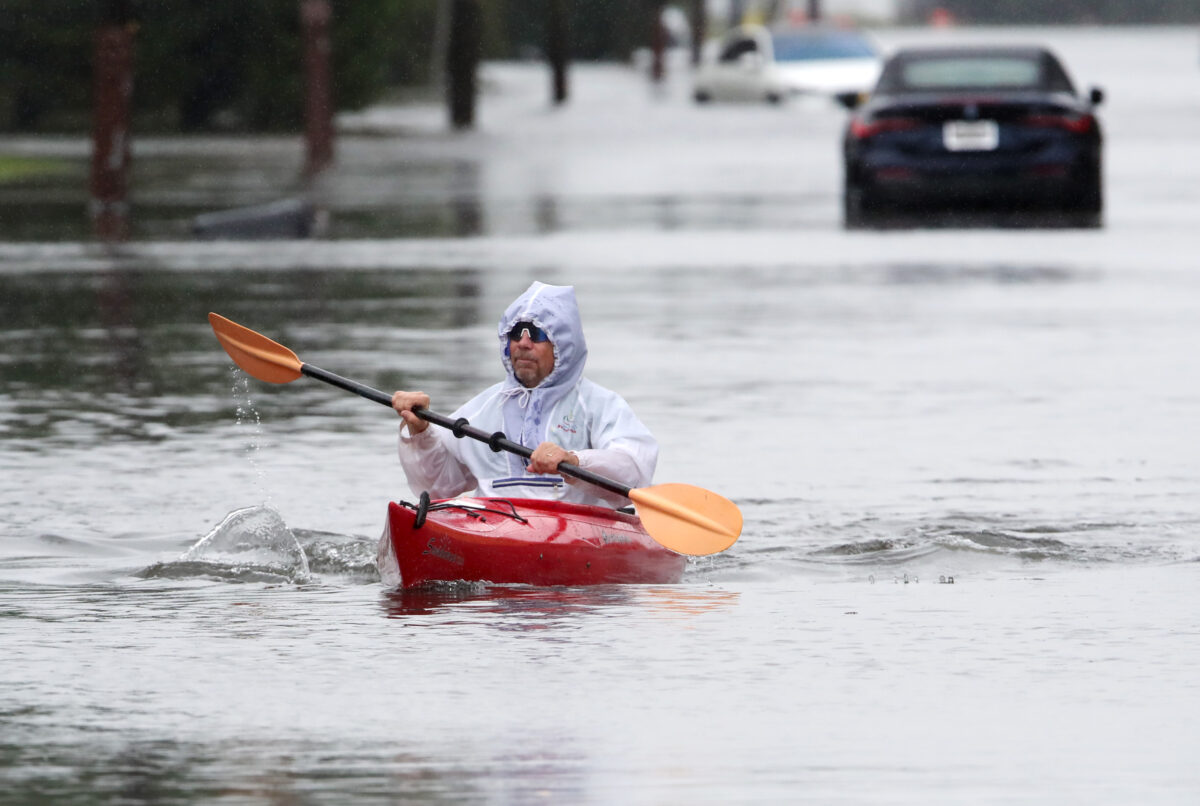

Boston (Massachusetts, USA), 27 Sept. (LaPresse/AP) – A powerful storm from the north-east has once again hit the north-east of the United States, flooding coastal communities and leaving tens of thousands of homes and businesses without electricity. According to PowerOutage.us, more than 130,000 customers were without power by the morning local time. The most widespread power cuts occurred along the New Jersey coast, on Long Island (New York) and in the coastal counties of Connecticut. Fallen trees across Long Island have damaged homes and cars, blocked roads and caused numerous power lines to come down. This morning, the storm was located just south of Long Island and east of northern New Jersey, and is expected to continue to hover over the area for a further 24 hours or so. The heaviest rainfall is forecast from northern New Jersey through New York City and Long Island to southern New England. The storm is gradually weakening, but the risk of tidal flooding remains during high tide periods.