
Frankfurt (Germany), 16 Oct. (LaPresse) – “The phase-out of combustion engines is now a thing of the past.” This was stated by German Chancellor Friedrich Merz at a press conference following the European Council meeting in Brussels, commenting on the agreement reached between Germany and France on the future of the European automotive industry. “We are receiving a great deal of support on this matter,” said Merz, pointing out that the agreement still needs to be translated into European regulations. “We have also put forward some proposals on the future use of alternative fuels or biofuels, whatever you choose to call them,” he added. The Chancellor explained that the agreement provides for the climate targets to be maintained through a 90 per cent reduction in CO₂ emissions from car fleets by 2035, without any obligation to offset the remaining 10 per cent. “It is a good decision,” commented Merz. “We have always called for technological neutrality. Not the unilateral choice of a specific technology, but the achievement of the goal of reducing CO2 emissions to zero, including through other technologies,” he emphasised. “It is an agreement we have reached between Germany and France, two of the major car-manufacturing countries in Europe,” Merz clarified, reiterating that the common position must now be discussed and approved at European level, including with the involvement of the European Parliament.
EU, Merz: “The end of combustion engines is a thing of the past; yes to biofuels”
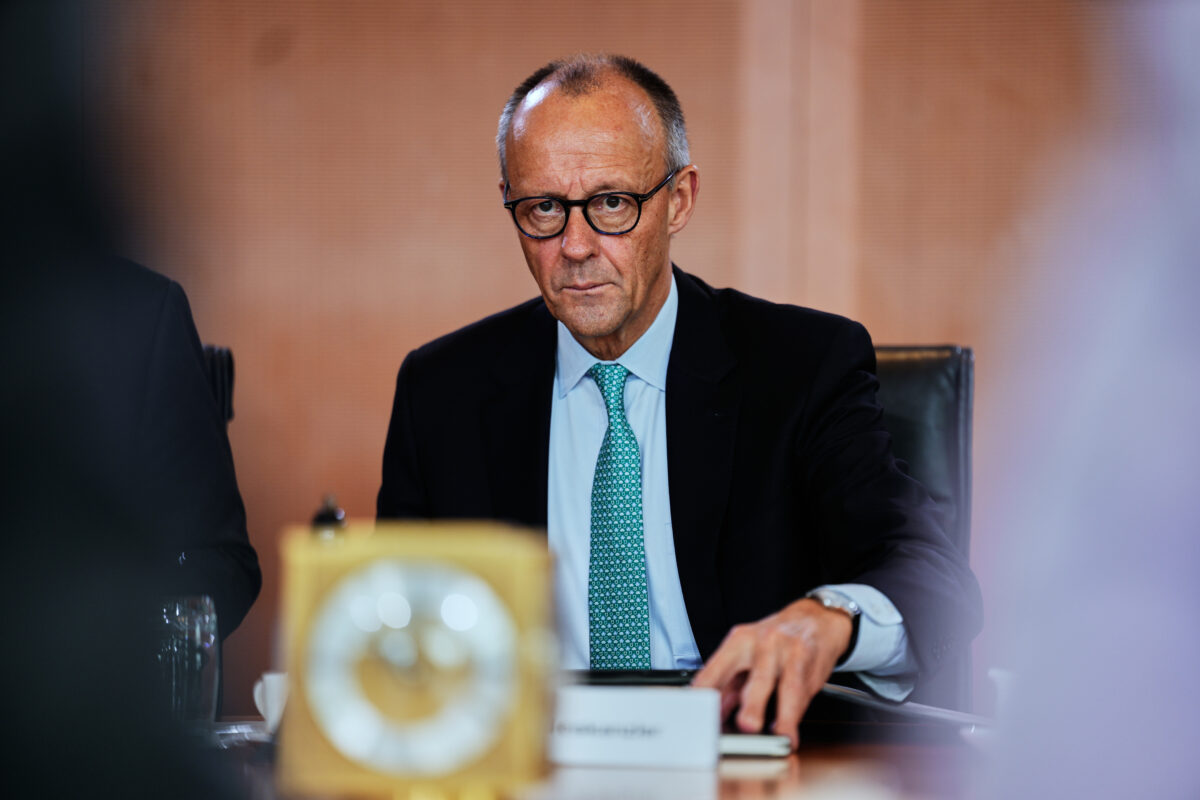

Frankfurt (Germany), 16 Oct. (LaPresse) – “The phase-out of combustion engines is now a thing of the past.” This was stated by German Chancellor Friedrich Merz at a press conference following the European Council meeting in Brussels, commenting on the agreement reached between Germany and France on the future of the European automotive industry. “We are receiving a great deal of support on this matter,” said Merz, pointing out that the agreement still needs to be translated into European regulations. “We have also put forward some proposals on the future use of alternative fuels or biofuels, whatever you choose to call them,” he added. The Chancellor explained that the agreement provides for the climate targets to be maintained through a 90 per cent reduction in CO₂ emissions from car fleets by 2035, without any obligation to offset the remaining 10 per cent. “It is a good decision,” commented Merz. “We have always called for technological neutrality. Not the unilateral choice of a specific technology, but the achievement of the goal of reducing CO2 emissions to zero, including through other technologies,” he emphasised. “It is an agreement we have reached between Germany and France, two of the major car-manufacturing countries in Europe,” Merz clarified, reiterating that the common position must now be discussed and approved at European level, including with the involvement of the European Parliament.