
Frankfurt (Germany), 3 Nov. (LaPresse) – “The BSI has received reports of isolated cyber incidents affecting supermarkets in Germany and numerous other European countries.” This was stated to LaPresse by Joachim Wagner, spokesperson for the German Federal Office for Information Security (BSI), referring to the cyber attacks that have targeted the refrigeration systems of various retail outlets in Germany and across Europe. “Unauthorised third parties are manipulating the control systems of refrigeration units accessible via the internet,” explained Wagner, “in some cases it has been necessary to discard food products.” The spokesperson nevertheless reassured that “the security of food supplies in Germany is not at risk”. The BSI reiterated “the need to adequately protect control systems”, emphasising in particular that “direct access to these systems via the internet must be prevented”. The German agency had already drawn attention to similar incidents in early October, including those recorded in France: “The BSI is in close contact with its European partner authorities” to address the issue, added Wagner. The BSI had previously published a recommendation on the security of control systems accessible via the internet, aimed in particular at operators of small industrial installations, including food refrigeration systems. The measures outlined include blocking direct access from the internet, the use of VPNs and multi-factor authentication systems, and the timely updating of software.
Hacker attacks, Berlin: “Vulnerable refrigeration systems”
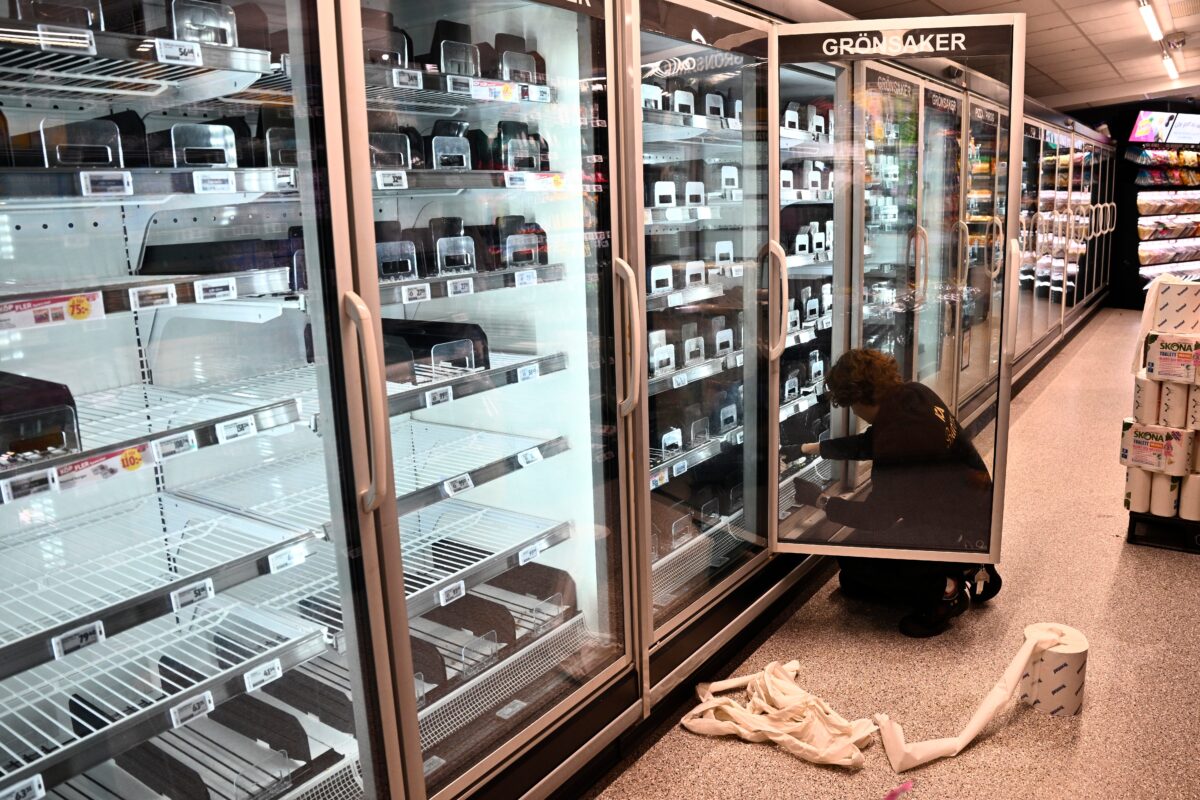

Frankfurt (Germany), 3 Nov. (LaPresse) – “The BSI has received reports of isolated cyber incidents affecting supermarkets in Germany and numerous other European countries.” This was stated to LaPresse by Joachim Wagner, spokesperson for the German Federal Office for Information Security (BSI), referring to the cyber attacks that have targeted the refrigeration systems of various retail outlets in Germany and across Europe. “Unauthorised third parties are manipulating the control systems of refrigeration units accessible via the internet,” explained Wagner, “in some cases it has been necessary to discard food products.” The spokesperson nevertheless reassured that “the security of food supplies in Germany is not at risk”. The BSI reiterated “the need to adequately protect control systems”, emphasising in particular that “direct access to these systems via the internet must be prevented”. The German agency had already drawn attention to similar incidents in early October, including those recorded in France: “The BSI is in close contact with its European partner authorities” to address the issue, added Wagner. The BSI had previously published a recommendation on the security of control systems accessible via the internet, aimed in particular at operators of small industrial installations, including food refrigeration systems. The measures outlined include blocking direct access from the internet, the use of VPNs and multi-factor authentication systems, and the timely updating of software.