
Rome, Nov. 7 (LaPresse) – “Throughout 2027, I will contribute to the development of San Marino RTV. And I do not rule out, should the right conditions arise, putting my experience at Rai’s service once again, including by running for a seat on the next Board of Directors. Retirement may mark the end of a professional phase, but not of an era.” This is what former Rai CEO Roberto Sergio said in an interview with La Stampa. Regarding his experience in San Marino, Sergio stressed: “San Marino RTV is an equally stimulating challenge, albeit on a different scale. I am not interested in holding a position, but in understanding what can be achieved.” On Rai, Sergio added: “Rai is a complex company, with different editorial sensibilities that cannot be reduced to a political definition. Politics has always had a close relationship with Rai; denying that would be hardly credible. But we must distinguish between democratic oversight, which is legitimate, and the claim to influence every decision on a daily basis.” “Rai,” Sergio maintained, “is full of professionals: they must be given the conditions they need to work. Politics should want a strong and independent Rai, not a television broadcaster riddled with conflicts. A credible public service broadcaster is not one that does not talk about politics: it is one in which politics does not decide what should be said.”
Rai, Sergio: “I’m leaving Rai but I haven’t ruled out a return”
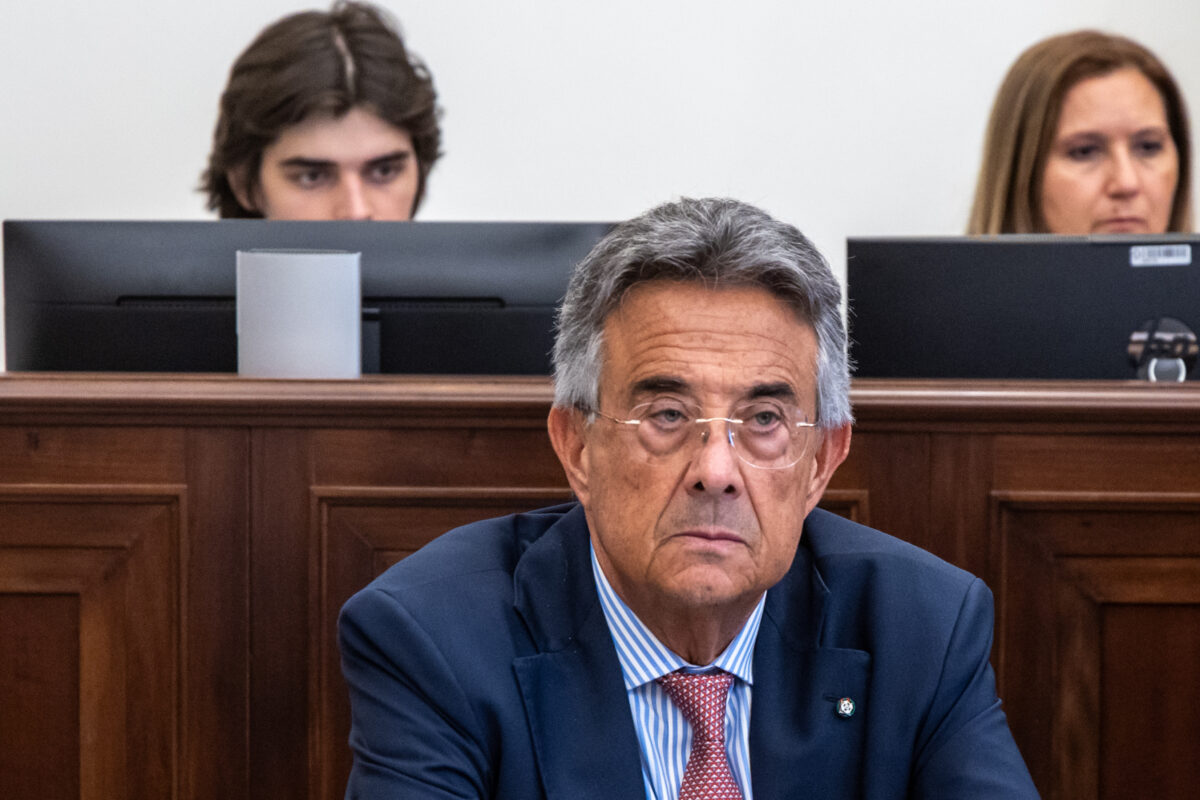

Rome, Nov. 7 (LaPresse) – “Throughout 2027, I will contribute to the development of San Marino RTV. And I do not rule out, should the right conditions arise, putting my experience at Rai’s service once again, including by running for a seat on the next Board of Directors. Retirement may mark the end of a professional phase, but not of an era.” This is what former Rai CEO Roberto Sergio said in an interview with La Stampa. Regarding his experience in San Marino, Sergio stressed: “San Marino RTV is an equally stimulating challenge, albeit on a different scale. I am not interested in holding a position, but in understanding what can be achieved.” On Rai, Sergio added: “Rai is a complex company, with different editorial sensibilities that cannot be reduced to a political definition. Politics has always had a close relationship with Rai; denying that would be hardly credible. But we must distinguish between democratic oversight, which is legitimate, and the claim to influence every decision on a daily basis.” “Rai,” Sergio maintained, “is full of professionals: they must be given the conditions they need to work. Politics should want a strong and independent Rai, not a television broadcaster riddled with conflicts. A credible public service broadcaster is not one that does not talk about politics: it is one in which politics does not decide what should be said.”