
Frankfurt (Germany), 16 Nov. (LaPresse) – The first centre for the repatriation of migrants to Rwanda could become operational in 2027. This was announced by Austrian Chancellor Christian Stocker in Vienna, following a meeting with representatives from Austria, Denmark, Germany, Greece and the Netherlands, describing the initiative as a “historic paradigm shift in migration policy”. The project aims to transfer to Rwanda migrants who do not have the right to reside in the EU and are subject to a final return order, but cannot be returned to their countries of origin. Among the objectives outlined by Stocker are combating people-trafficking networks and easing the pressure on European reception systems. “If people who have no right to remain in the European Union cannot be removed, the entire asylum system is rendered meaningless. And we will not allow that to happen,” the Chancellor stated. “If return to the country of origin is not possible, in future people without the right to reside may be transferred to a third country, such as Rwanda.” Stocker gave assurances that the model would comply with European and international law and human rights standards. The European Commission, the International Organisation for Migration (IOM) and the UNHCR are also collaborating on its development. Finally, the Chancellor referred to the new European regulation on returns, which provides the legal basis for transferring third-country nationals to other third countries as well. “We must be masters in our own house. And this applies at national level as well as at European level,” he concluded.
Migrants, Vienna: “Ready for a repatriation centre for five EU countries in Rwanda from 2027”
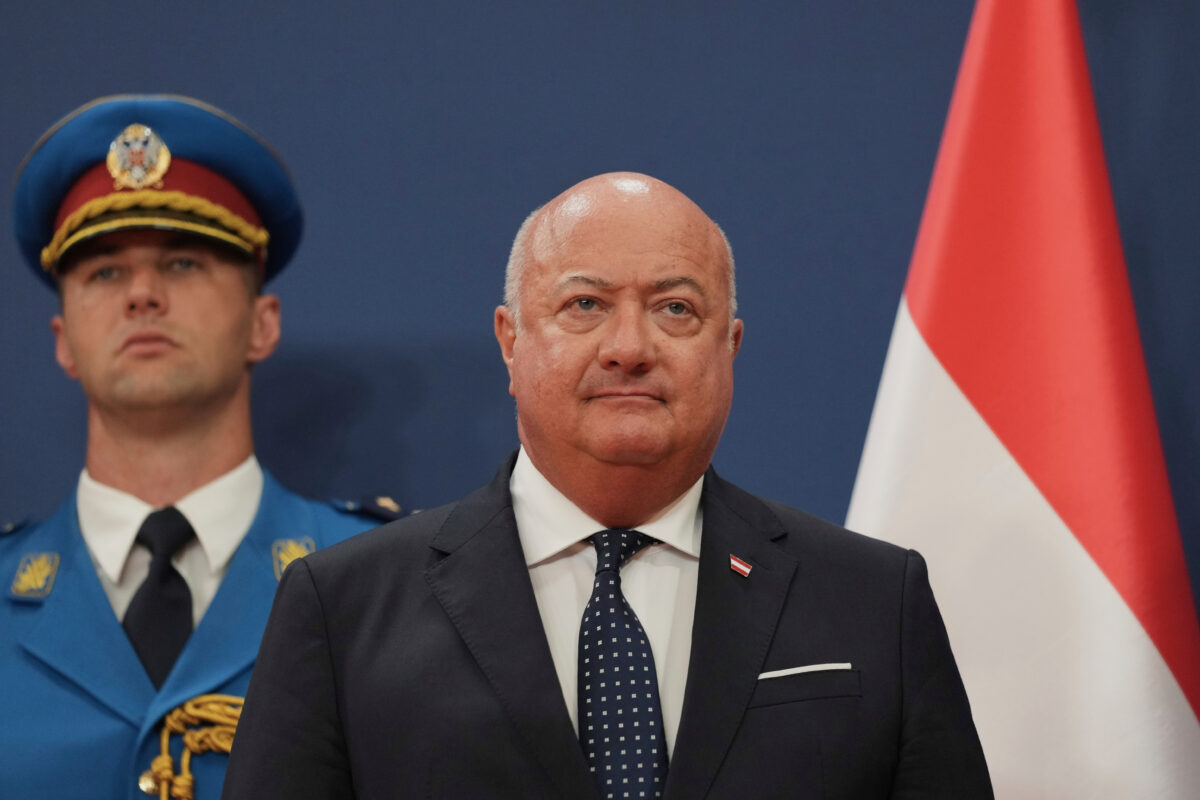

Frankfurt (Germany), 16 Nov. (LaPresse) – The first centre for the repatriation of migrants to Rwanda could become operational in 2027. This was announced by Austrian Chancellor Christian Stocker in Vienna, following a meeting with representatives from Austria, Denmark, Germany, Greece and the Netherlands, describing the initiative as a “historic paradigm shift in migration policy”. The project aims to transfer to Rwanda migrants who do not have the right to reside in the EU and are subject to a final return order, but cannot be returned to their countries of origin. Among the objectives outlined by Stocker are combating people-trafficking networks and easing the pressure on European reception systems. “If people who have no right to remain in the European Union cannot be removed, the entire asylum system is rendered meaningless. And we will not allow that to happen,” the Chancellor stated. “If return to the country of origin is not possible, in future people without the right to reside may be transferred to a third country, such as Rwanda.” Stocker gave assurances that the model would comply with European and international law and human rights standards. The European Commission, the International Organisation for Migration (IOM) and the UNHCR are also collaborating on its development. Finally, the Chancellor referred to the new European regulation on returns, which provides the legal basis for transferring third-country nationals to other third countries as well. “We must be masters in our own house. And this applies at national level as well as at European level,” he concluded.