
Rome, 13 Oct. (LaPresse) – “Global economic activity has once again demonstrated its resilience. The recovery in the technology sector, safety margins and the adjustments made have helped to mitigate the damage caused by geopolitical disruptions. Global growth is forecast to slow to 3.1 per cent in 2026 before rising again to 3.4 per cent in 2027. Overall global inflation is set to rise significantly to 4.7 per cent in 2026, before falling to 4.1 per cent in 2027. The most critical outlook concerns energy-importing economies that are not integrated into the technology value chain.” This is according to the World Economic Outlook published by the International Monetary Fund. It explains that “however, the room for manoeuvre that has fostered resilience is not unlimited, and the risks are skewed to the downside. A further escalation of conflicts, a revision of expectations regarding artificial intelligence, new trade tensions and fiscal vulnerabilities could weaken growth. On the positive side, greater momentum in investment in AI and productivity gains stemming from this technology, or a lasting easing of geopolitical and trade tensions, could bolster growth.”
IMF: ‘Global economic activity is showing resilience, but risks remain’
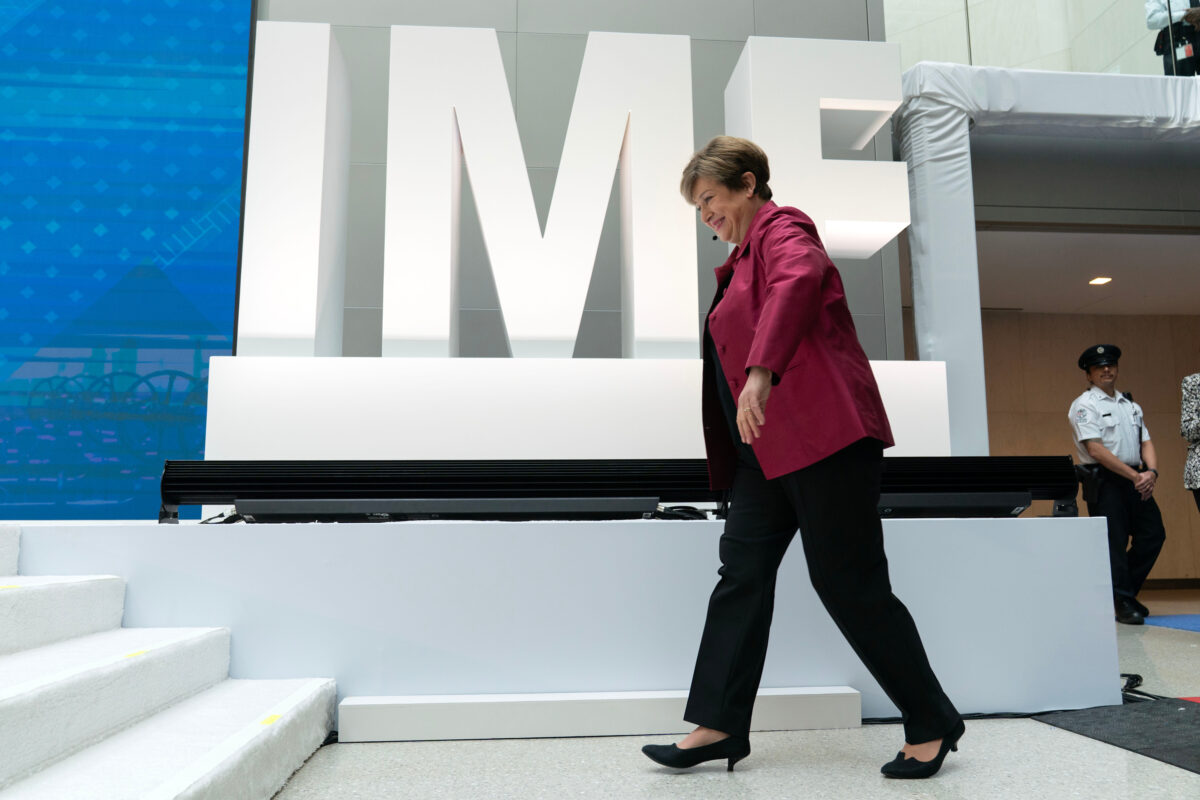

Rome, 13 Oct. (LaPresse) – “Global economic activity has once again demonstrated its resilience. The recovery in the technology sector, safety margins and the adjustments made have helped to mitigate the damage caused by geopolitical disruptions. Global growth is forecast to slow to 3.1 per cent in 2026 before rising again to 3.4 per cent in 2027. Overall global inflation is set to rise significantly to 4.7 per cent in 2026, before falling to 4.1 per cent in 2027. The most critical outlook concerns energy-importing economies that are not integrated into the technology value chain.” This is according to the World Economic Outlook published by the International Monetary Fund. It explains that “however, the room for manoeuvre that has fostered resilience is not unlimited, and the risks are skewed to the downside. A further escalation of conflicts, a revision of expectations regarding artificial intelligence, new trade tensions and fiscal vulnerabilities could weaken growth. On the positive side, greater momentum in investment in AI and productivity gains stemming from this technology, or a lasting easing of geopolitical and trade tensions, could bolster growth.”