
Rome, 27 Oct. (LaPresse) – The exemption from vehicle tax for 2027 would benefit 73 per cent of households owning at least one vehicle, with proportionally greater benefits for those with lower spending power. This is according to the Focus report ‘The exemption from vehicle tax for 2027’, published today by the Parliamentary Budget Office (UPB). The measure addresses a tax which, in its current form, places up to six times more of a burden on the household budgets of less well-off families than on those of more affluent households. Taken together with the reductions in fuel excise duties introduced earlier this year, the 2027 road tax exemption would potentially offset around half the impact of the high fuel prices seen in 2026. Using its microsimulation model, the UPB has analysed the impact of the vehicle tax under its current framework and estimates the distributional effects on households of the new exemption provided for in the decree-law passed on 17 September. The UPB’s study finds that 85 per cent of households own a car. Currently, road tax is payable simply for owning a vehicle, even if it is not used, and is based on engine power; furthermore, it does not vary with the number of kilometres travelled, does not reflect the car’s value and is only marginally linked to emissions. Since car ownership is almost universal and the amount of the tax varies little between households, road tax as a proportion of household expenditure weighs six times more heavily on households in the bottom decile than on those in the top decile. According to UPB estimates, the benefit of road tax exemption for 2027 would apply to 45 per cent of vehicles and 65 per cent of registered owners, reaching 73 per cent of households owning at least one vehicle. Taking into account households without vehicles as well, the proportion of beneficiary households would be 63 per cent. The proportion of the tax covered by the exemption would amount to around 45 per cent in the top deciles of the distribution, compared with 29 per cent in the bottom decile.
Cars: UPB, road tax waived for 73 per cent of households; greater impact on those on lower incomes
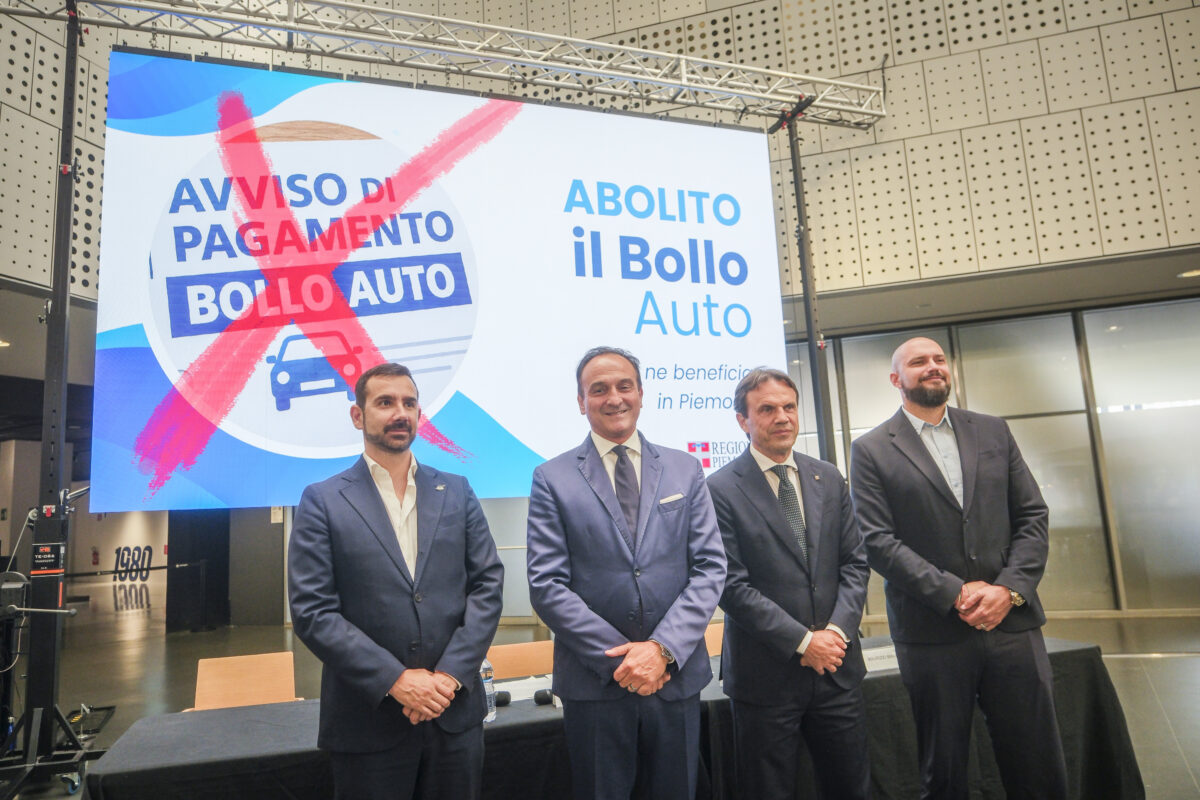

Rome, 27 Oct. (LaPresse) – The exemption from vehicle tax for 2027 would benefit 73 per cent of households owning at least one vehicle, with proportionally greater benefits for those with lower spending power. This is according to the Focus report ‘The exemption from vehicle tax for 2027’, published today by the Parliamentary Budget Office (UPB). The measure addresses a tax which, in its current form, places up to six times more of a burden on the household budgets of less well-off families than on those of more affluent households. Taken together with the reductions in fuel excise duties introduced earlier this year, the 2027 road tax exemption would potentially offset around half the impact of the high fuel prices seen in 2026. Using its microsimulation model, the UPB has analysed the impact of the vehicle tax under its current framework and estimates the distributional effects on households of the new exemption provided for in the decree-law passed on 17 September. The UPB’s study finds that 85 per cent of households own a car. Currently, road tax is payable simply for owning a vehicle, even if it is not used, and is based on engine power; furthermore, it does not vary with the number of kilometres travelled, does not reflect the car’s value and is only marginally linked to emissions. Since car ownership is almost universal and the amount of the tax varies little between households, road tax as a proportion of household expenditure weighs six times more heavily on households in the bottom decile than on those in the top decile. According to UPB estimates, the benefit of road tax exemption for 2027 would apply to 45 per cent of vehicles and 65 per cent of registered owners, reaching 73 per cent of households owning at least one vehicle. Taking into account households without vehicles as well, the proportion of beneficiary households would be 63 per cent. The proportion of the tax covered by the exemption would amount to around 45 per cent in the top deciles of the distribution, compared with 29 per cent in the bottom decile.