
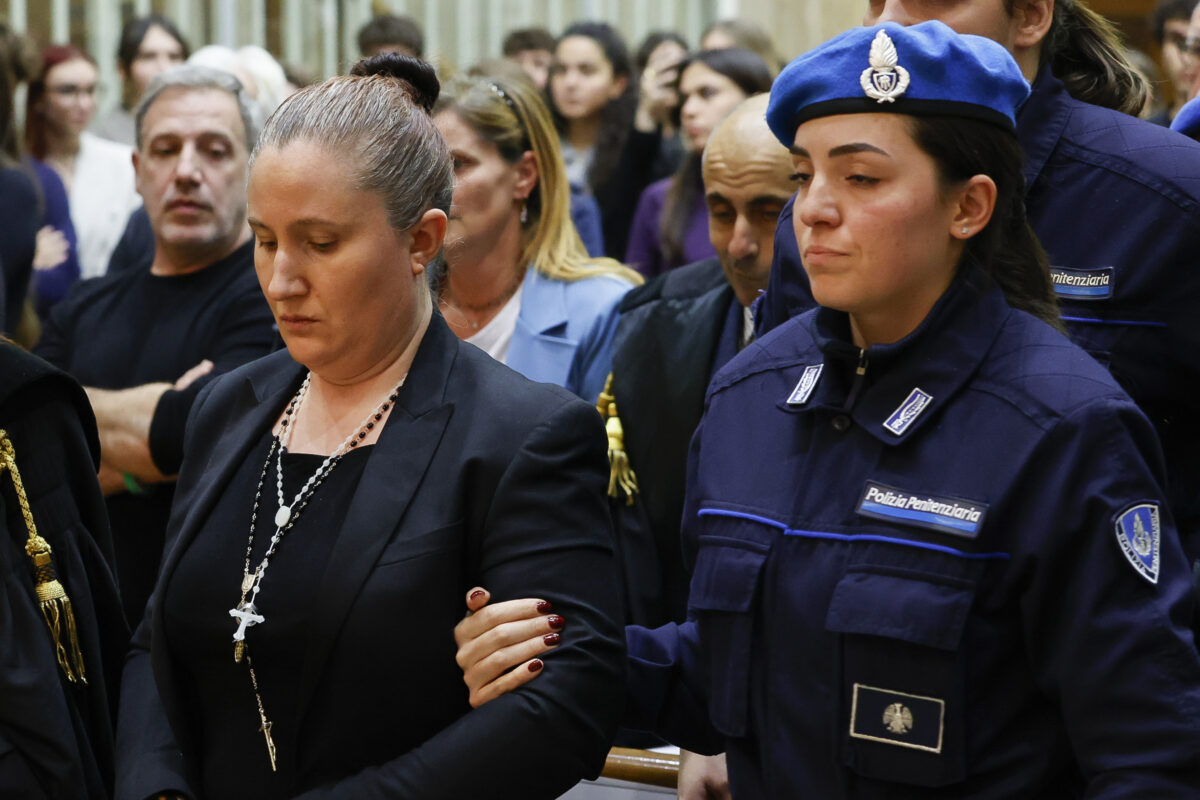
Rome, 25 June (LaPresse) – Final sentence of 24 years’ imprisonment for Alessia Pifferi. The Court of Cassation has upheld the sentence imposed by the Milan Court of Assizes of Appeal in the retrial for the death of her daughter Diana, the 18-month-old girl left alone for days in the summer of 2022 and who died from a lack of food and water. The decision was taken by the judges of the First Criminal Section, who made the second-instance judgement final. During the hearing, Deputy Attorney General Valentina Manuali had supported the Milan Public Prosecutor’s Office’s request to review the sentence, challenging the grounds on which general mitigating circumstances had been recognised. According to the prosecution, the evidence supporting the reduction in sentence was insufficient given the seriousness of the offence. Manuali also reiterated that the child’s death was caused by neglect and prolonged deprivation of food and water. The defence’s argument, which focused on the defendant’s mental state, was also rejected, as it was deemed not to have impaired her capacity to understand and form her intentions.
Pifferi case: Court of Cassation upholds 24-year sentence

Rome, 25 June (LaPresse) – Final sentence of 24 years’ imprisonment for Alessia Pifferi. The Court of Cassation has upheld the sentence imposed by the Milan Court of Assizes of Appeal in the retrial for the death of her daughter Diana, the 18-month-old girl left alone for days in the summer of 2022 and who died from a lack of food and water. The decision was taken by the judges of the First Criminal Section, who made the second-instance judgement final. During the hearing, Deputy Attorney General Valentina Manuali had supported the Milan Public Prosecutor’s Office’s request to review the sentence, challenging the grounds on which general mitigating circumstances had been recognised. According to the prosecution, the evidence supporting the reduction in sentence was insufficient given the seriousness of the offence. Manuali also reiterated that the child’s death was caused by neglect and prolonged deprivation of food and water. The defence’s argument, which focused on the defendant’s mental state, was also rejected, as it was deemed not to have impaired her capacity to understand and form her intentions.