
Rome, 5 August (LaPresse) – “As at 30 June 2026, there were 572 young people detained in Italy’s 20 juvenile detention centres, broadly in line with last year’s figures (559 as at 30 June, 572 as at 31 December). The surge in prison populations – which rose by 50 per cent following the entry into force of the Caivano Decree and has now stabilised – was clearly due to the tightening of criminal sanctions rather than a gradual increase in more serious juvenile crime.” This is stated in the mid-year report for 2026 compiled by Antigone on Italian prisons. “By contrast, the total number of boys and girls under the care of the Juvenile Justice Services continues to rise at an alarming rate, a sign of a culture in which criminal justice intervention is replacing social care, reception and support within the local community. There were 14,151 in October 2022, when the current government took office, and there are now 17,833, representing a 26 per cent increase. In the first six months of 2026, the figure rose by almost a thousand. The expansion of criminal control over minors goes hand in hand with a simplified and alarmist narrative regarding youth-related issues, which is not borne out by the data,” he concludes.
Prisons, Antigone: ‘Number of juvenile prisoners up by 50 per cent following the Caivano Decree’
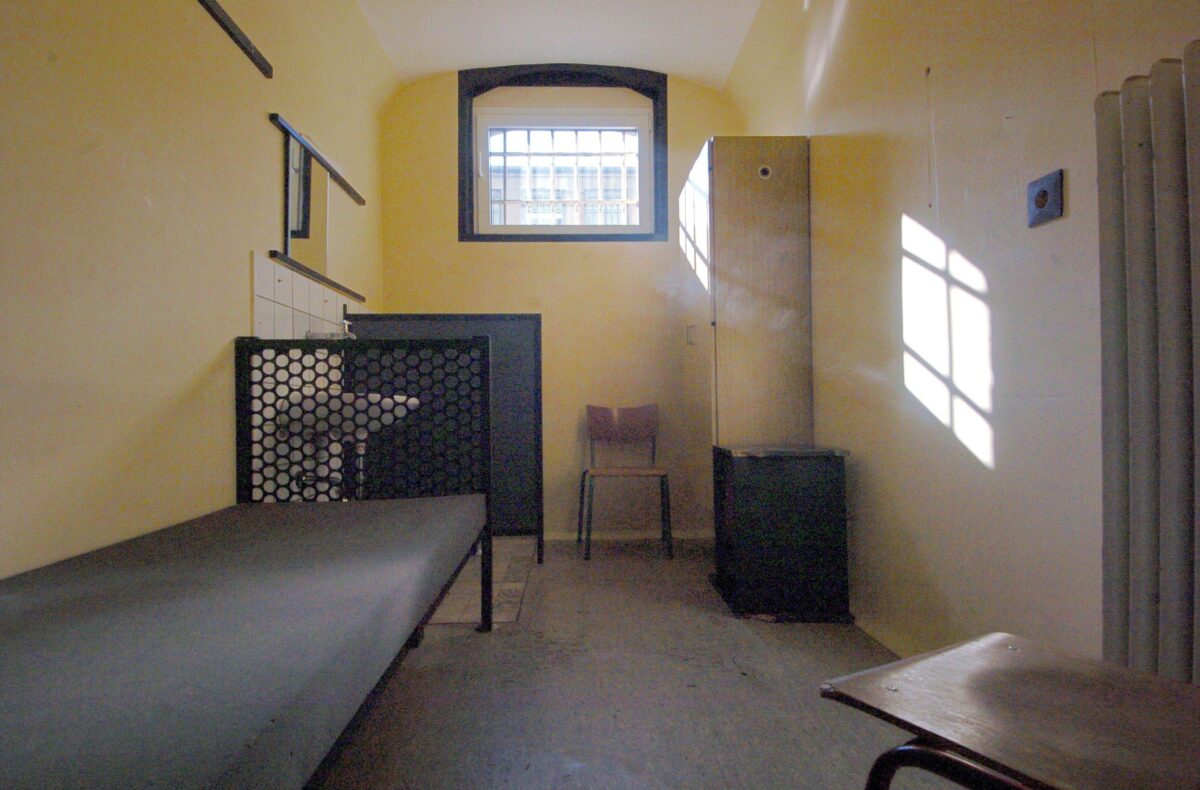

Rome, 5 August (LaPresse) – “As at 30 June 2026, there were 572 young people detained in Italy’s 20 juvenile detention centres, broadly in line with last year’s figures (559 as at 30 June, 572 as at 31 December). The surge in prison populations – which rose by 50 per cent following the entry into force of the Caivano Decree and has now stabilised – was clearly due to the tightening of criminal sanctions rather than a gradual increase in more serious juvenile crime.” This is stated in the mid-year report for 2026 compiled by Antigone on Italian prisons. “By contrast, the total number of boys and girls under the care of the Juvenile Justice Services continues to rise at an alarming rate, a sign of a culture in which criminal justice intervention is replacing social care, reception and support within the local community. There were 14,151 in October 2022, when the current government took office, and there are now 17,833, representing a 26 per cent increase. In the first six months of 2026, the figure rose by almost a thousand. The expansion of criminal control over minors goes hand in hand with a simplified and alarmist narrative regarding youth-related issues, which is not borne out by the data,” he concludes.