
Rome, 7 Oct. (LaPresse) – A previously unknown examination has come to light in the RIS files relating to the Garlasco case. A new detail has emerged of which nothing was previously known. This is reported by *Il Corriere della Sera*. On 20 September 2007, “as recorded in a set of notes written by Marino, then a consultant to the public prosecutor, the pedal of Alberto Stasi’s bicycle – ‘with a left-handed screw and at least one brown mark on a cleat’ – was subjected to an Obti test, which proved negative. This information has never appeared in any report and had never been mentioned before, even informally. In the late afternoon of 20 September 2007, Marino carried out two counter-analyses on that sample — which the previous day had revealed 2.78 nanograms of Chiara Poggi’s DNA — both of which proved negative. However, those results were never included in the case file either, and their existence only came to light with the recent analysis of the ‘raw data’.” According to the newspaper, “there are two further aspects that have aroused the investigators’ suspicions. On 25 September (whilst Stasi was still in custody awaiting the validation of his arrest), Matteo Fabbri, a defence consultant, requested on the record that ‘a species identification test, such as an OBTI test, be carried out on the traces found on the pedals’. Captain Marino (who signed the document) ‘took note’ but wrote that he would not carry out that analysis, proceeding instead to test the DNA from a new trace that had in the meantime been taken from the pedals (this too would prove negative in the genetic test). Meanwhile, two years later, when Stasi was on trial (he would be acquitted), Marino again ‘advised’ the court-appointed expert, Carlo Robino, not to proceed with the ‘immunological test’, such as the Obti, because the sample was too small. ‘Coincidences,’ explains *Il Corriere della Sera* once more, ‘that are now viewed in a completely different light. Especially following confirmation that it was Marino who had given the order to destroy the Garlasco evidence stored at the RIS in September 2016, shortly after being appointed head of the Biology section. Commander Donghi wrote to the Pavia Public Prosecutor’s Office stating that these were interim samples and could not be stored indefinitely (the judges would order their destruction six years later). However, in an internal report (now unearthed by the prosecutors), Donghi had instead stated that the order had come directly from Marino. The case file also contains several emails in which the former head, Luciano Garofano, urged a carabiniere to ‘suggest a measure (with all due caution)’ regarding the killer’s famous shoe prints in the blood: ‘It would be desirable’.”
Garlasco: another inconclusive blood test found on the pedals of Stasi’s bicycle
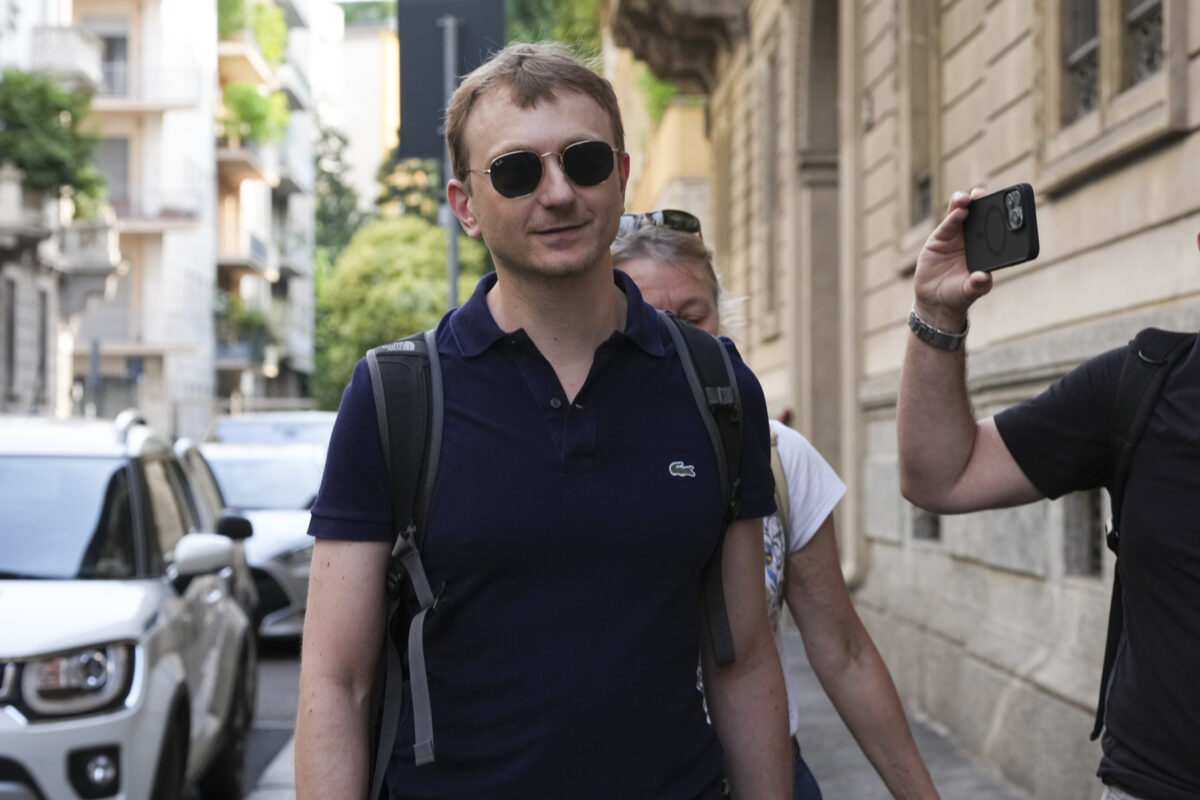

Rome, 7 Oct. (LaPresse) – A previously unknown examination has come to light in the RIS files relating to the Garlasco case. A new detail has emerged of which nothing was previously known. This is reported by *Il Corriere della Sera*. On 20 September 2007, “as recorded in a set of notes written by Marino, then a consultant to the public prosecutor, the pedal of Alberto Stasi’s bicycle – ‘with a left-handed screw and at least one brown mark on a cleat’ – was subjected to an Obti test, which proved negative. This information has never appeared in any report and had never been mentioned before, even informally. In the late afternoon of 20 September 2007, Marino carried out two counter-analyses on that sample — which the previous day had revealed 2.78 nanograms of Chiara Poggi’s DNA — both of which proved negative. However, those results were never included in the case file either, and their existence only came to light with the recent analysis of the ‘raw data’.” According to the newspaper, “there are two further aspects that have aroused the investigators’ suspicions. On 25 September (whilst Stasi was still in custody awaiting the validation of his arrest), Matteo Fabbri, a defence consultant, requested on the record that ‘a species identification test, such as an OBTI test, be carried out on the traces found on the pedals’. Captain Marino (who signed the document) ‘took note’ but wrote that he would not carry out that analysis, proceeding instead to test the DNA from a new trace that had in the meantime been taken from the pedals (this too would prove negative in the genetic test). Meanwhile, two years later, when Stasi was on trial (he would be acquitted), Marino again ‘advised’ the court-appointed expert, Carlo Robino, not to proceed with the ‘immunological test’, such as the Obti, because the sample was too small. ‘Coincidences,’ explains *Il Corriere della Sera* once more, ‘that are now viewed in a completely different light. Especially following confirmation that it was Marino who had given the order to destroy the Garlasco evidence stored at the RIS in September 2016, shortly after being appointed head of the Biology section. Commander Donghi wrote to the Pavia Public Prosecutor’s Office stating that these were interim samples and could not be stored indefinitely (the judges would order their destruction six years later). However, in an internal report (now unearthed by the prosecutors), Donghi had instead stated that the order had come directly from Marino. The case file also contains several emails in which the former head, Luciano Garofano, urged a carabiniere to ‘suggest a measure (with all due caution)’ regarding the killer’s famous shoe prints in the blood: ‘It would be desirable’.”