
Rome, 30 Sept. (LaPresse) – A crackdown on fentanyl thefts. The announcement comes from the Under-Secretary to the Prime Minister’s Office, Alfredo Mantovano, who, in an interview with Il Messaggero, emphasised that “a circular from the Ministry of Health has been published in the Official Gazette which overcomes the fragmented approach to managing the issue and shifts the focus: it sets out a series of rules for safety, storage and traceability”. “The National Plan on Fentanyl and Synthetic Opioids has been in operation since March 2024. Since then, we have recorded dozens of thefts of this substance. The theft at the Ospedale Israelitico in Rome is certainly the most significant in terms of quantity, but such incidents have been extremely frequent. For this reason, the Ministry of Health, in collaboration with the Prime Minister’s Office, through the Anti-Drugs Department, and together with the Ministries of the Interior and Justice, has published a circular aimed at tackling what we might describe as a ‘sieve’,” explains Mantovano, adding: “It stipulates that every healthcare facility must designate a person responsible for safekeeping: this must be an individual. All the details are set out: organisational responsibilities, the type of keys, storage locations, stock checks and even the timeframes within which any theft of the substance must be reported. IT systems are used instead of paper records. The circular refers to current legislation and, in particular, a provision of the Criminal Code – Article 40(2) – which stipulates that failing to prevent an unlawful act that one is obliged to prevent is equivalent to causing it. In short: even a failure to ensure proper custody constitutes aiding and abetting the unlawful possession and supply of drugs.” As regards combating the spread of drugs, Mantovano warns that operations such as yesterday’s in Tor Sapienza have already taken place in the past and will continue in the future: “We will not tolerate no-go zones where illegality and drug dealing thrive.” Finally, Mantovano expresses concern about the figures relating to cannabis: “The dangers of so-called ‘soft’ drugs continue to be underestimated, without realising that in the past, THC – the active ingredient in cannabis – was present at an average concentration of 1.5–2 per cent. Today, it has reached an average of 30 per cent.”
Fentanyl, Mantovano: ‘Crackdown on thefts, zero tolerance for drug dealing’
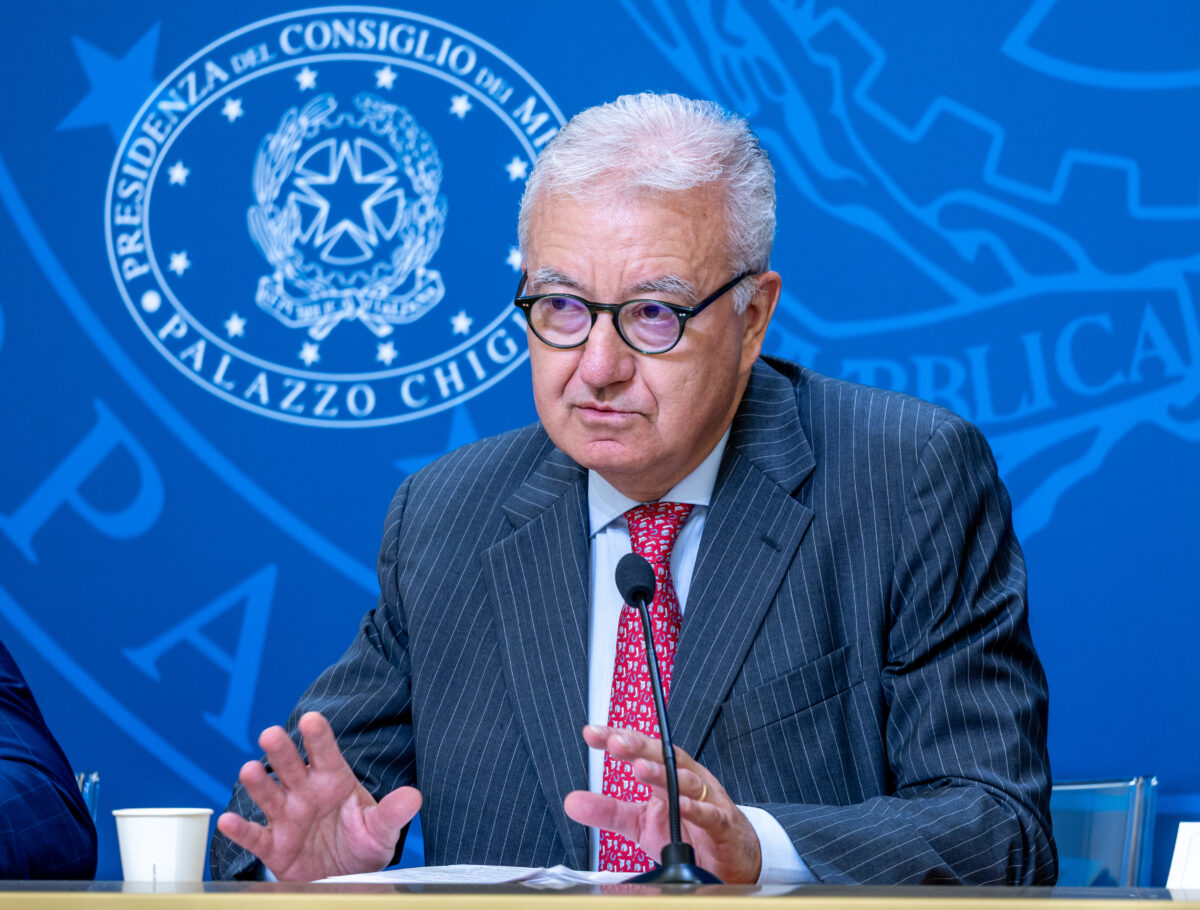

Rome, 30 Sept. (LaPresse) – A crackdown on fentanyl thefts. The announcement comes from the Under-Secretary to the Prime Minister’s Office, Alfredo Mantovano, who, in an interview with Il Messaggero, emphasised that “a circular from the Ministry of Health has been published in the Official Gazette which overcomes the fragmented approach to managing the issue and shifts the focus: it sets out a series of rules for safety, storage and traceability”. “The National Plan on Fentanyl and Synthetic Opioids has been in operation since March 2024. Since then, we have recorded dozens of thefts of this substance. The theft at the Ospedale Israelitico in Rome is certainly the most significant in terms of quantity, but such incidents have been extremely frequent. For this reason, the Ministry of Health, in collaboration with the Prime Minister’s Office, through the Anti-Drugs Department, and together with the Ministries of the Interior and Justice, has published a circular aimed at tackling what we might describe as a ‘sieve’,” explains Mantovano, adding: “It stipulates that every healthcare facility must designate a person responsible for safekeeping: this must be an individual. All the details are set out: organisational responsibilities, the type of keys, storage locations, stock checks and even the timeframes within which any theft of the substance must be reported. IT systems are used instead of paper records. The circular refers to current legislation and, in particular, a provision of the Criminal Code – Article 40(2) – which stipulates that failing to prevent an unlawful act that one is obliged to prevent is equivalent to causing it. In short: even a failure to ensure proper custody constitutes aiding and abetting the unlawful possession and supply of drugs.” As regards combating the spread of drugs, Mantovano warns that operations such as yesterday’s in Tor Sapienza have already taken place in the past and will continue in the future: “We will not tolerate no-go zones where illegality and drug dealing thrive.” Finally, Mantovano expresses concern about the figures relating to cannabis: “The dangers of so-called ‘soft’ drugs continue to be underestimated, without realising that in the past, THC – the active ingredient in cannabis – was present at an average concentration of 1.5–2 per cent. Today, it has reached an average of 30 per cent.”