“The first issue I wish to focus on is competitiveness. The European Council will take stock of the implementation of the ‘One Europe, One Market’ agenda and of the progress made in deepening the single market, simplifying rules, reducing administrative burdens and speeding up planning and authorisation procedures. These are objectives that Italy has long been advocating. However, the issue that currently weighs most heavily on the competitiveness of our economy is another: the cost of energy. We have said this many times: we cannot ask European businesses to compete with major global players whilst, at the same time, accepting that they structurally pay much more for energy than their competitors. Nor can we pursue the environmental transition at the expense of our industrial base. Decarbonisation must not mean deindustrialisation. This is all the more true in the current geopolitical climate. Tensions along key trade routes and supply chains are affecting energy and fuel security and prices. Transport and insurance costs are rising and, ultimately, these costs are passed on to utility bills, the shopping basket and businesses’ accounts. Faced with such a scenario, no one can respond effectively on their own. The response must be coordinated and swift.” So said the Prime Minister, Giorgia Meloni, during her address to the Senate ahead of the forthcoming European Council.
EU, Meloni: “We need a coordinated and swift response to energy costs”
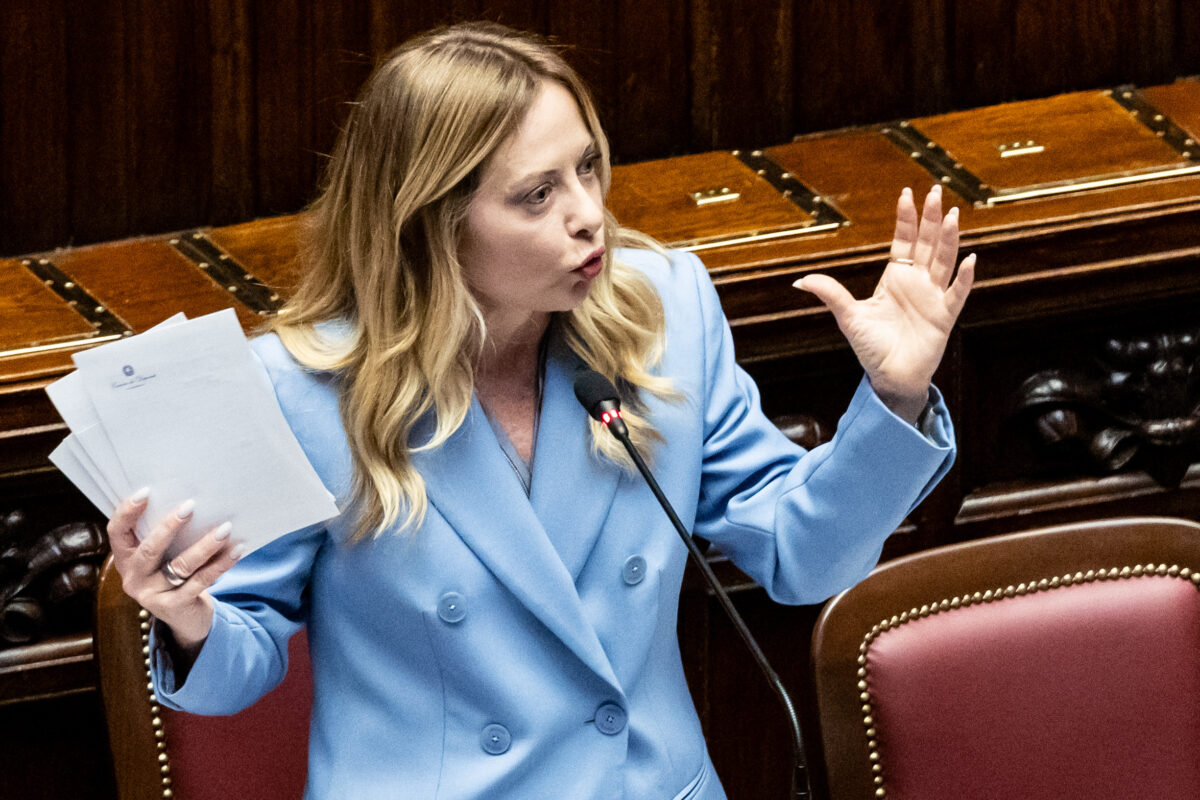

“The first issue I wish to focus on is competitiveness. The European Council will take stock of the implementation of the ‘One Europe, One Market’ agenda and of the progress made in deepening the single market, simplifying rules, reducing administrative burdens and speeding up planning and authorisation procedures. These are objectives that Italy has long been advocating. However, the issue that currently weighs most heavily on the competitiveness of our economy is another: the cost of energy. We have said this many times: we cannot ask European businesses to compete with major global players whilst, at the same time, accepting that they structurally pay much more for energy than their competitors. Nor can we pursue the environmental transition at the expense of our industrial base. Decarbonisation must not mean deindustrialisation. This is all the more true in the current geopolitical climate. Tensions along key trade routes and supply chains are affecting energy and fuel security and prices. Transport and insurance costs are rising and, ultimately, these costs are passed on to utility bills, the shopping basket and businesses’ accounts. Faced with such a scenario, no one can respond effectively on their own. The response must be coordinated and swift.” So said the Prime Minister, Giorgia Meloni, during her address to the Senate ahead of the forthcoming European Council.