
Rome, 26 Oct. (LaPresse) – “This morning”, appeals against the new electoral law were “lodged practically simultaneously” in 25 Italian courts. This was announced by Roberto Zaccaria, coordinator of the ‘Network for a Free and Equal Vote’, at a press conference in the Nassiriya Room at the Senate. “This network brings together at least thirty civil society organisations that have joined forces to carry out what we might call a mobilisation effort; our main objective is to rekindle the spirit of the referendum. To explain and make people understand why this law is so serious and dangerous.” “These appeals are based on a common framework,” he explained, “and I can only tell you that the most prominent appellant is Romano Prodi.” “The appeals were filed on schedule today at 25 ordinary courts where an appeal court is located,” Pietro Adami then clarified, noting that “the total number of appeals will be higher because linguistic appeals concerning linguistic minorities – such as those in the Aosta Valley and Rome for overseas constituencies – will be added.”
Electoral law: appeals filed in 25 courts; Prodi is among the appellants
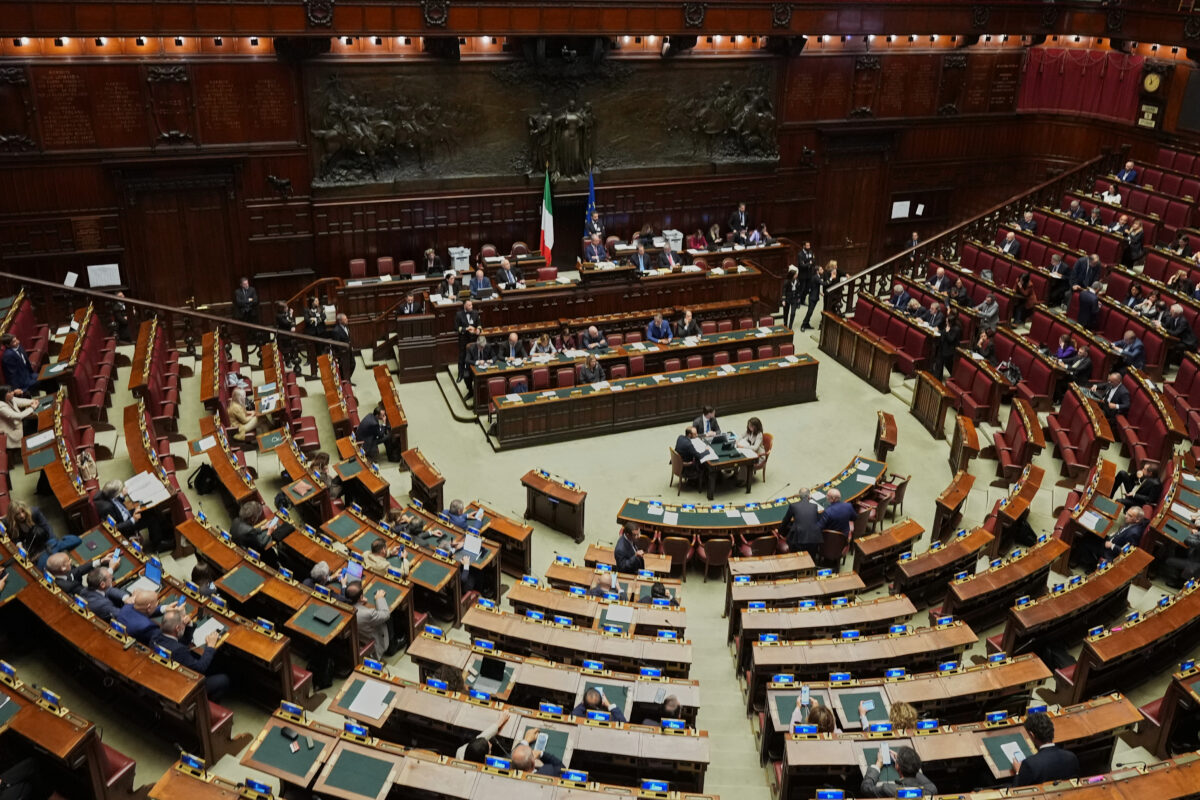

Rome, 26 Oct. (LaPresse) – “This morning”, appeals against the new electoral law were “lodged practically simultaneously” in 25 Italian courts. This was announced by Roberto Zaccaria, coordinator of the ‘Network for a Free and Equal Vote’, at a press conference in the Nassiriya Room at the Senate. “This network brings together at least thirty civil society organisations that have joined forces to carry out what we might call a mobilisation effort; our main objective is to rekindle the spirit of the referendum. To explain and make people understand why this law is so serious and dangerous.” “These appeals are based on a common framework,” he explained, “and I can only tell you that the most prominent appellant is Romano Prodi.” “The appeals were filed on schedule today at 25 ordinary courts where an appeal court is located,” Pietro Adami then clarified, noting that “the total number of appeals will be higher because linguistic appeals concerning linguistic minorities – such as those in the Aosta Valley and Rome for overseas constituencies – will be added.”