
Milan, 5 August (LaPresse/AP) – SpaceX’s Falcon 9 rocket has crashed onto the Moon. The collision, which occurred at a speed of 8,700 km/h, has not yet been officially confirmed, although it is believed to have taken place several hours ago. However, space monitoring experts have stated that it was inevitable that the rocket’s remaining segment would crash onto the Moon. “The Falcon 9 rocket completed its mission a few hours after launch in January 2025, after which its batteries ran out. Since then, it has remained an inert mass of four tonnes of metal, simply orbiting under the influence of gravity,” said retired astrophysicist Jonathan McDowell. “I have no doubt,” added McDowell, “that the rocket has now been reduced to tiny fragments scattered across the Moon near the Einstein crater.” This is the latest instance of ‘lunar debris’, a problem that many fear could worsen due to space competition between the United States and China.
SpaceX’s Falcon 9 rocket crashed on the Moon
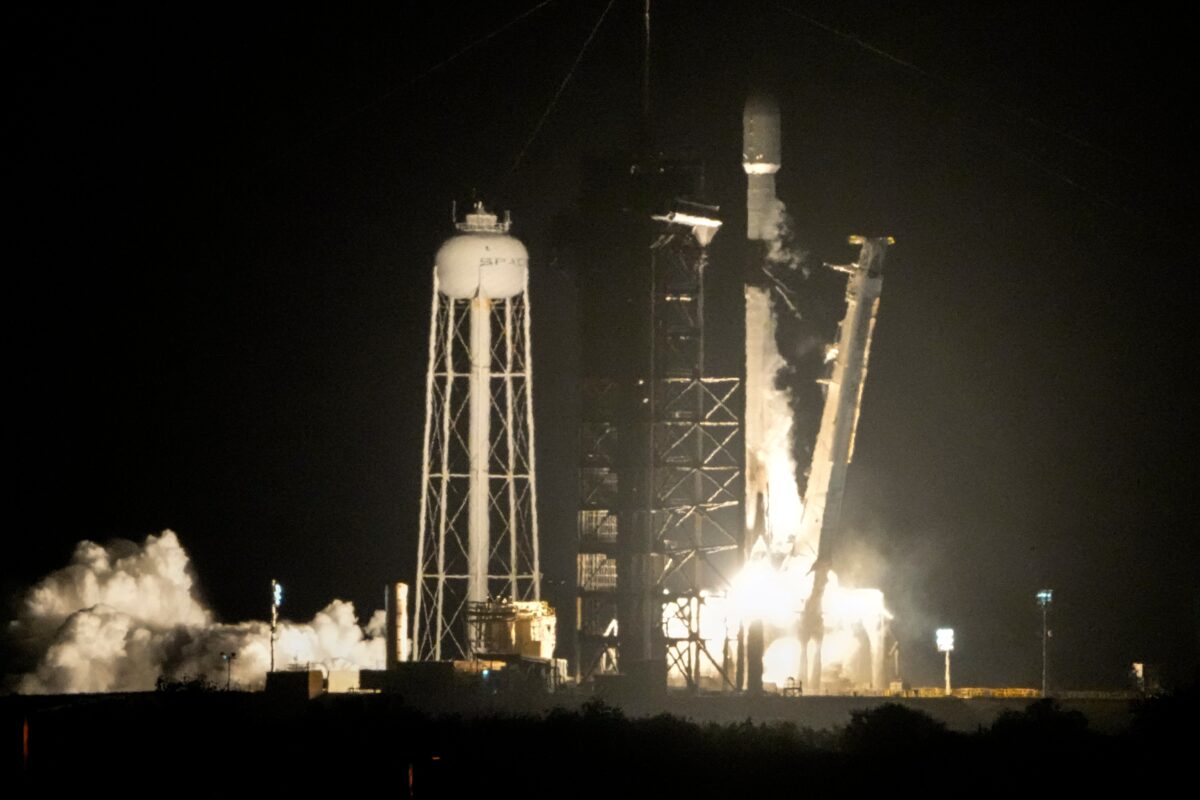

Milan, 5 August (LaPresse/AP) – SpaceX’s Falcon 9 rocket has crashed onto the Moon. The collision, which occurred at a speed of 8,700 km/h, has not yet been officially confirmed, although it is believed to have taken place several hours ago. However, space monitoring experts have stated that it was inevitable that the rocket’s remaining segment would crash onto the Moon. “The Falcon 9 rocket completed its mission a few hours after launch in January 2025, after which its batteries ran out. Since then, it has remained an inert mass of four tonnes of metal, simply orbiting under the influence of gravity,” said retired astrophysicist Jonathan McDowell. “I have no doubt,” added McDowell, “that the rocket has now been reduced to tiny fragments scattered across the Moon near the Einstein crater.” This is the latest instance of ‘lunar debris’, a problem that many fear could worsen due to space competition between the United States and China.