
Frankfurt (Germany), Sept. 10 (LaPresse) – “Leipzig has somehow made the threat posed by Russia more tangible.” German Foreign Minister Johann Wadephul said this at a press conference in Berlin with NATO Secretary General Mark Rutte. According to Wadephul, this is “one of the growing aggressions by Russia against Europe and NATO.” The minister cited “drone incidents and violations of airspace in several member countries along the eastern flank” and warned: “We must not delude ourselves.” Russia, he stressed, “is not only a military threat along the eastern flank and continues its relentless war against Ukraine, but we are seeing increasingly more hybrid activities, cyberattacks, sabotage, disinformation and attacks on critical infrastructure.” Wadephul therefore said it is necessary to translate the political determination expressed at the NATO summit in early July into concrete capabilities. “We need to invest faster, produce faster and purchase faster,” he said. “Ultimately, it is about credible deterrence, and this only works if we have the necessary capabilities.” Germany, he assured, “will stay the course” and continue to assume responsibility within NATO, contributing “to strengthening NATO’s defense capabilities quickly and effectively.” “We believe that a stronger Europe also makes NATO stronger,” he added.
NATO, Wadephul: “Russian hybrid threat increasingly concrete”
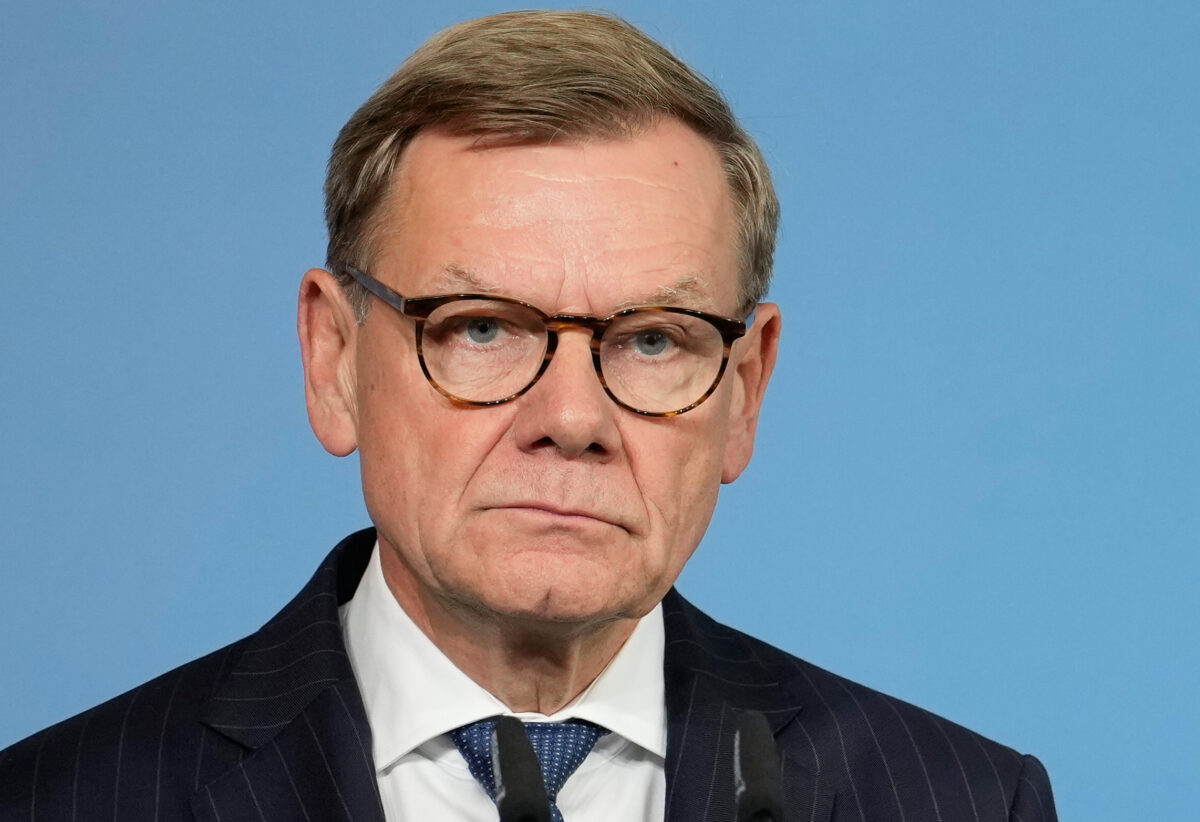

Frankfurt (Germany), Sept. 10 (LaPresse) – “Leipzig has somehow made the threat posed by Russia more tangible.” German Foreign Minister Johann Wadephul said this at a press conference in Berlin with NATO Secretary General Mark Rutte. According to Wadephul, this is “one of the growing aggressions by Russia against Europe and NATO.” The minister cited “drone incidents and violations of airspace in several member countries along the eastern flank” and warned: “We must not delude ourselves.” Russia, he stressed, “is not only a military threat along the eastern flank and continues its relentless war against Ukraine, but we are seeing increasingly more hybrid activities, cyberattacks, sabotage, disinformation and attacks on critical infrastructure.” Wadephul therefore said it is necessary to translate the political determination expressed at the NATO summit in early July into concrete capabilities. “We need to invest faster, produce faster and purchase faster,” he said. “Ultimately, it is about credible deterrence, and this only works if we have the necessary capabilities.” Germany, he assured, “will stay the course” and continue to assume responsibility within NATO, contributing “to strengthening NATO’s defense capabilities quickly and effectively.” “We believe that a stronger Europe also makes NATO stronger,” he added.