
Milan, 30 Sept. (LaPresse) – During 2026, 40 per cent of the world’s population was exposed to extremely high levels of ozone pollution. This is according to the ‘Atmosphere Watch’ report published by the Copernicus Atmosphere Monitoring Service (CAMS), which highlights that 2026 was characterised by extreme heatwaves in many regions of the world, leading to millions of people being exposed to higher concentrations of tropospheric ozone and smoke pollution caused by wildfires – in some cases at levels unprecedented in many regions. The report warns that, as extreme conditions linked to the El Niño phenomenon are expected to continue over the coming months, wildfires are likely to be a recurring issue. Tropospheric ozone is a secondary pollutant resulting from thousands of chemical reactions triggered by sunlight and high temperatures. “These reactions occur mainly between nitrogen oxides – produced primarily by the combustion of fossil fuels – and volatile organic compounds (VOCs), which have both natural and anthropogenic origins, in the presence of solar radiation. Consequently, concentrations of tropospheric ozone can rise during the summer months, when stable weather conditions and more intense solar radiation trigger the photochemical reactions that generate ozone, allowing it to accumulate,” explains the Copernicus report. The report adds that during 2026, emissions from biomass combustion and wildfires led to significant concentrations of smoke, resulting in increased levels of PM2.5 and other fire-related pollutants across vast areas of North America, the Siberian regions of Russia, Western Europe and South-East Asia, to name but a few of the most affected regions.
Climate, Copernicus: “40 per cent of the population will be exposed to dangerous levels of ozone in 2026”
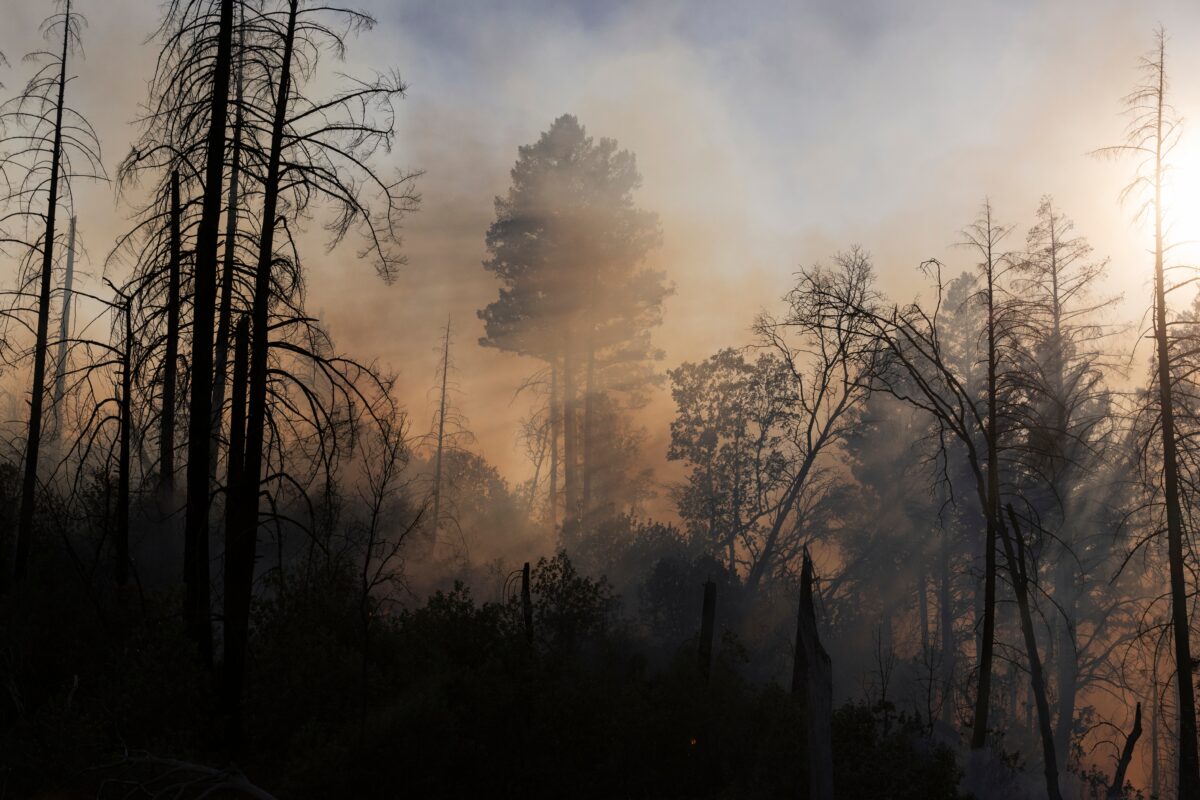

Milan, 30 Sept. (LaPresse) – During 2026, 40 per cent of the world’s population was exposed to extremely high levels of ozone pollution. This is according to the ‘Atmosphere Watch’ report published by the Copernicus Atmosphere Monitoring Service (CAMS), which highlights that 2026 was characterised by extreme heatwaves in many regions of the world, leading to millions of people being exposed to higher concentrations of tropospheric ozone and smoke pollution caused by wildfires – in some cases at levels unprecedented in many regions. The report warns that, as extreme conditions linked to the El Niño phenomenon are expected to continue over the coming months, wildfires are likely to be a recurring issue. Tropospheric ozone is a secondary pollutant resulting from thousands of chemical reactions triggered by sunlight and high temperatures. “These reactions occur mainly between nitrogen oxides – produced primarily by the combustion of fossil fuels – and volatile organic compounds (VOCs), which have both natural and anthropogenic origins, in the presence of solar radiation. Consequently, concentrations of tropospheric ozone can rise during the summer months, when stable weather conditions and more intense solar radiation trigger the photochemical reactions that generate ozone, allowing it to accumulate,” explains the Copernicus report. The report adds that during 2026, emissions from biomass combustion and wildfires led to significant concentrations of smoke, resulting in increased levels of PM2.5 and other fire-related pollutants across vast areas of North America, the Siberian regions of Russia, Western Europe and South-East Asia, to name but a few of the most affected regions.