
Ramallah, Apr 25 (LaPresse) – Palestinians are voting in local council elections in a process that could measure trust in the political system. It is the first vote in Gaza in nearly 20 years and the first in the West Bank since the start of the war between Israel and Hamas. The vote mainly concerns basic services (water, roads, electricity) in West Bank municipalities, while in Gaza — limited to the city of Deir al-Balah — it has a symbolic and “pilot” value. The stated aim is also to strengthen the political link between Gaza and the West Bank ahead of possible future unity. The Palestinian Authority promoted the elections following reforms requested by international partners: voting on individual candidates, with greater space for young people and women. However, low participation by parties and the small number of candidates signal political disillusionment, in a context marked by the elderly leadership of President Mahmoud Abbas (90 years old). Despite logistical difficulties in Gaza and the lack of coordination with Israel and Hamas, turnout will be a key indicator of legitimacy. In past years, local elections recorded relatively high participation (50–60%). In the West Bank, where the Palestinian Authority has limited powers, local councils are taking on an increasing role in managing daily services, also due to mobility restrictions and the expansion of Israeli settlements. The elections come as Gaza prepares for a possible government transition after Hamas’s control, but the process remains uncertain and tied to political and international developments still at an impasse.
Middle East, elections in the West Bank and part of Gaza for the first time in 20 years
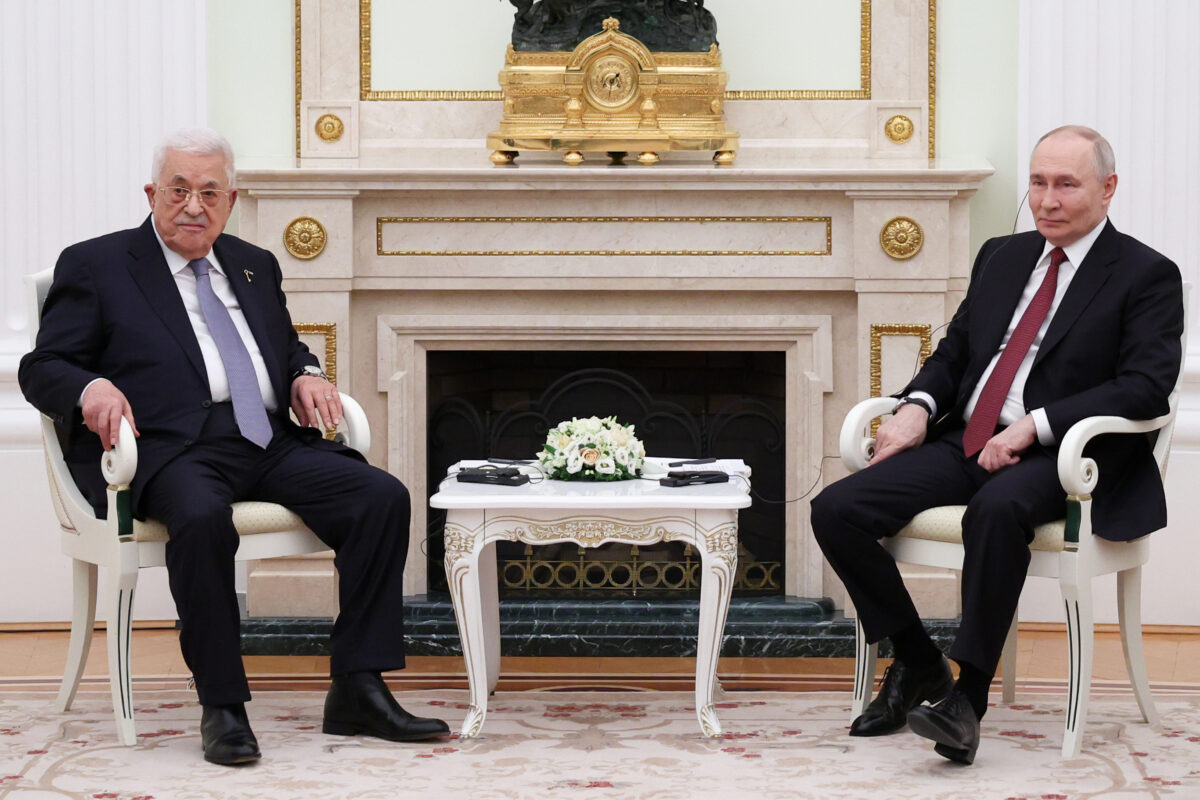

Ramallah, Apr 25 (LaPresse) – Palestinians are voting in local council elections in a process that could measure trust in the political system. It is the first vote in Gaza in nearly 20 years and the first in the West Bank since the start of the war between Israel and Hamas. The vote mainly concerns basic services (water, roads, electricity) in West Bank municipalities, while in Gaza — limited to the city of Deir al-Balah — it has a symbolic and “pilot” value. The stated aim is also to strengthen the political link between Gaza and the West Bank ahead of possible future unity. The Palestinian Authority promoted the elections following reforms requested by international partners: voting on individual candidates, with greater space for young people and women. However, low participation by parties and the small number of candidates signal political disillusionment, in a context marked by the elderly leadership of President Mahmoud Abbas (90 years old). Despite logistical difficulties in Gaza and the lack of coordination with Israel and Hamas, turnout will be a key indicator of legitimacy. In past years, local elections recorded relatively high participation (50–60%). In the West Bank, where the Palestinian Authority has limited powers, local councils are taking on an increasing role in managing daily services, also due to mobility restrictions and the expansion of Israeli settlements. The elections come as Gaza prepares for a possible government transition after Hamas’s control, but the process remains uncertain and tied to political and international developments still at an impasse.