
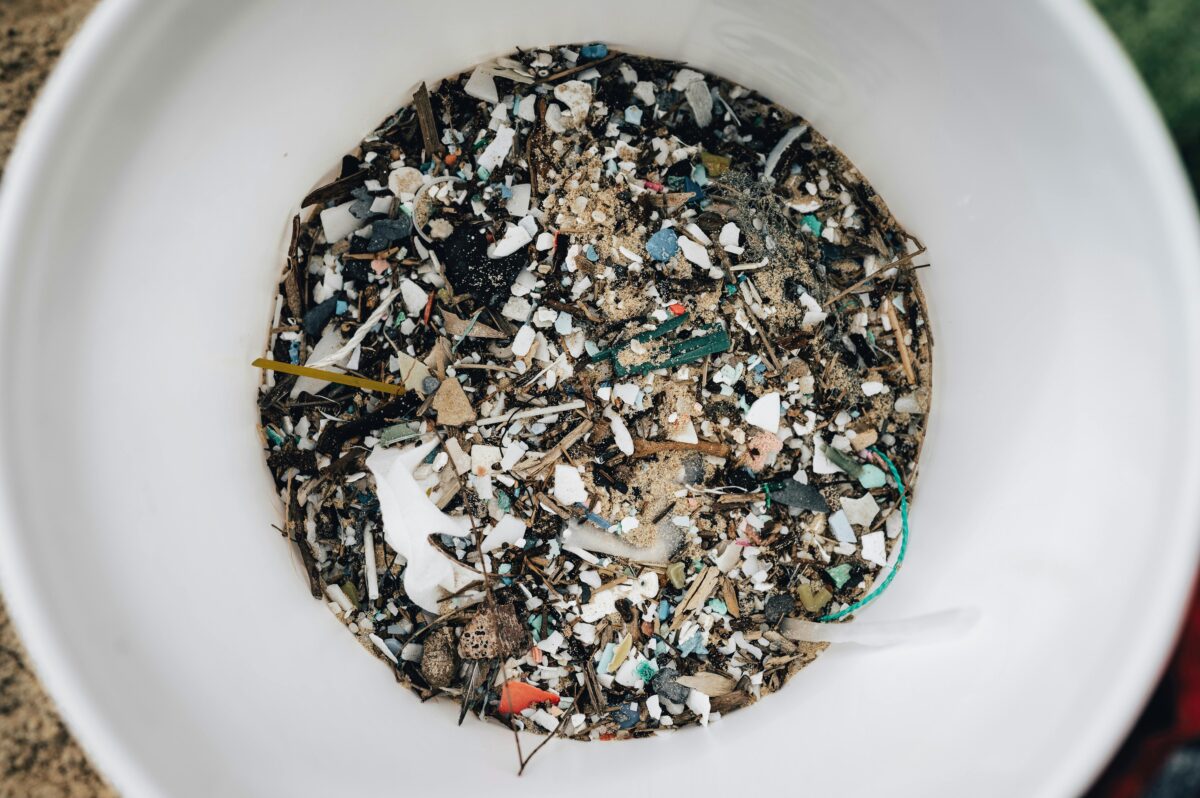
Rome, 14 May (LaPresse) – Microplastics are now everywhere: in fish, shellfish and sea salt, and through the food chain they end up on our plates and in our bodies. They have been found in the placenta, breast milk, sperm and blood, confirming their ability to penetrate the human body and cause lasting damage. Yet, Marevivo reports, one of the few concrete measures to reduce the presence of plastic in the sea – namely Law No. 60/2022, known as ‘SalvaMare’, which was unanimously approved by the Senate following a complex legislative process – remains at a standstill, awaiting implementing decrees. A full four years after it came into force on 17 May 2022, Italy continues to suffer from serious delays that are compromising its full implementation. “For a long time, plastic in the oceans was considered primarily an environmental problem, but today scientific literature shows that it also represents a biological and health issue, as it breaks down into micro- and nanoplastics that enter living systems via the respiratory tract, skin and food, accumulating in human tissues,” explains Antonio Ragusa, a member of the scientific committee at Marevivo. “The real problem is what they cause once they enter the body. “The data collected speaks for itself: oxidative stress, chronic inflammation and endocrine disruption. Among the conditions caused is metabolic syndrome, which leads to obesity, and plastic is one of the main factors responsible for its global spread. We do not yet have the full clinical evidence, but ignoring these signs would be an unforgivable mistake from both a scientific and health perspective,” adds Ragusa.
Health: Heart attacks on the rise due to microplastics in the human body

Rome, 14 May (LaPresse) – Microplastics are now everywhere: in fish, shellfish and sea salt, and through the food chain they end up on our plates and in our bodies. They have been found in the placenta, breast milk, sperm and blood, confirming their ability to penetrate the human body and cause lasting damage. Yet, Marevivo reports, one of the few concrete measures to reduce the presence of plastic in the sea – namely Law No. 60/2022, known as ‘SalvaMare’, which was unanimously approved by the Senate following a complex legislative process – remains at a standstill, awaiting implementing decrees. A full four years after it came into force on 17 May 2022, Italy continues to suffer from serious delays that are compromising its full implementation. “For a long time, plastic in the oceans was considered primarily an environmental problem, but today scientific literature shows that it also represents a biological and health issue, as it breaks down into micro- and nanoplastics that enter living systems via the respiratory tract, skin and food, accumulating in human tissues,” explains Antonio Ragusa, a member of the scientific committee at Marevivo. “The real problem is what they cause once they enter the body. “The data collected speaks for itself: oxidative stress, chronic inflammation and endocrine disruption. Among the conditions caused is metabolic syndrome, which leads to obesity, and plastic is one of the main factors responsible for its global spread. We do not yet have the full clinical evidence, but ignoring these signs would be an unforgivable mistake from both a scientific and health perspective,” adds Ragusa.