
Milan, 22 June (LaPresse) – Marketa Vondrousova, the 2023 Wimbledon champion and former world number 6, has been banned for four years for refusing to undergo a doping test on the evening of 3 December 2025. The Czech player failed to provide a biological sample after being notified by a Doping Control Officer (DCO) during an out-of-competition testing attempt at her home. “The doping control incident occurred because I had reached a breaking point after months of physical and mental stress,” the Czech player wrote on Instagram last April. “I have been battling injuries, constant pressure and sleep problems for some time, which have left me exhausted and fragile. All of this has taken its toll on me more than I probably realised. Furthermore, years of hate messages and threats have affected my sense of security in my personal space. When someone rang the doorbell late in the evening without properly identifying themselves or following protocol, I reacted like a frightened person. At that moment, it was about feeling safe, not about avoiding anything. Experts confirmed that I was suffering from an acute stress reaction (F43.0, according to the International Classification of Diseases) and a generalised anxiety disorder (F41.1). At that moment, fear clouded my judgement and I was unable to assess the situation rationally.”
Fails to attend doping test: Vondrousova banned for four years
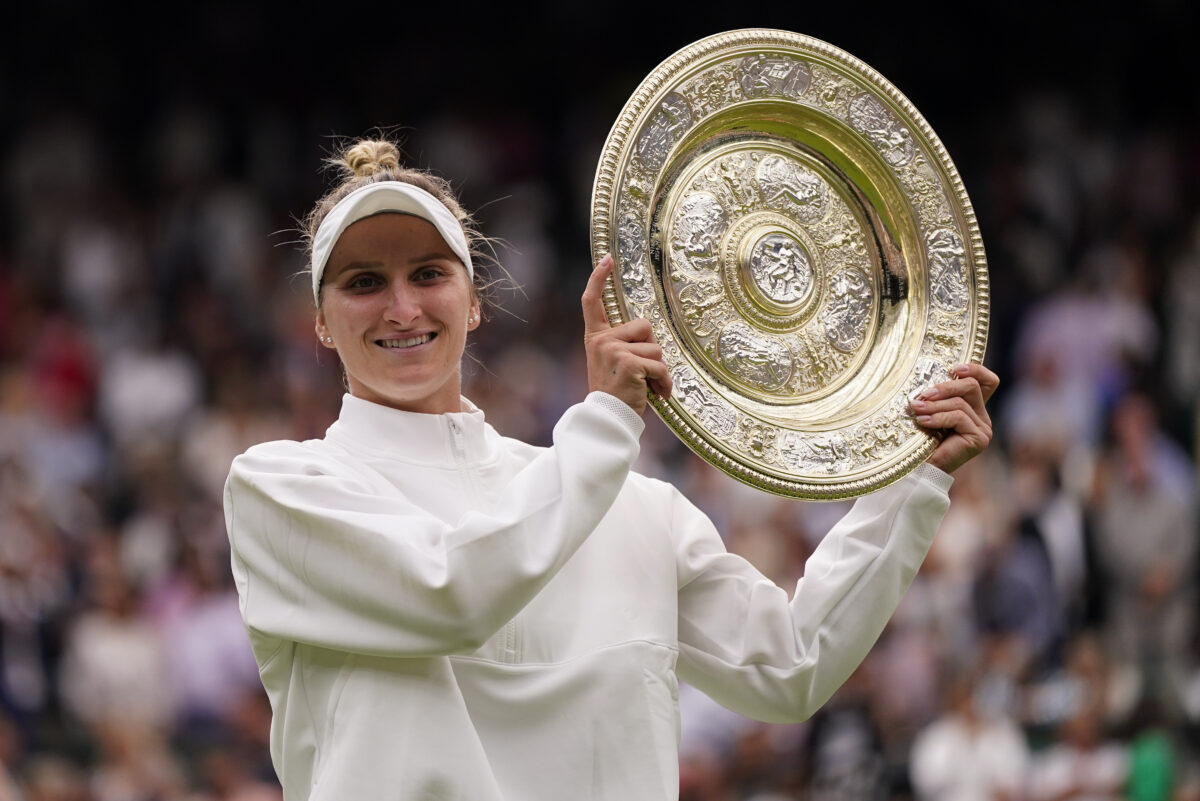

Milan, 22 June (LaPresse) – Marketa Vondrousova, the 2023 Wimbledon champion and former world number 6, has been banned for four years for refusing to undergo a doping test on the evening of 3 December 2025. The Czech player failed to provide a biological sample after being notified by a Doping Control Officer (DCO) during an out-of-competition testing attempt at her home. “The doping control incident occurred because I had reached a breaking point after months of physical and mental stress,” the Czech player wrote on Instagram last April. “I have been battling injuries, constant pressure and sleep problems for some time, which have left me exhausted and fragile. All of this has taken its toll on me more than I probably realised. Furthermore, years of hate messages and threats have affected my sense of security in my personal space. When someone rang the doorbell late in the evening without properly identifying themselves or following protocol, I reacted like a frightened person. At that moment, it was about feeling safe, not about avoiding anything. Experts confirmed that I was suffering from an acute stress reaction (F43.0, according to the International Classification of Diseases) and a generalised anxiety disorder (F41.1). At that moment, fear clouded my judgement and I was unable to assess the situation rationally.”