
Rome, 1 July (LaPresse) – In June alone, Italy experienced as many as 700 extreme weather events, including violent thunderstorms, hailstorms, tornadoes, and wind and lightning storms – more than twenty-three a day. This figure has more than doubled compared with the same period in 2025. This is according to a Coldiretti analysis of ESWD data, which highlights the impact of climatic anomalies, with record-breaking heat alternating with violent thunderstorms affecting both towns and the countryside. After days of sweltering heat, particularly in the afternoon or evening, sudden downpours, strong gusts of wind and hailstorms can occur, with the paradoxical effect that in some areas, red alerts for severe weather follow one another within a matter of hours. Violent thunderstorms and veritable ‘water bombs’, however, do not provide any relief from the drought problem. For rain to offer any real benefit to the countryside, it needs to be prolonged, regular and of moderate intensity. On the contrary – explains Coldiretti – heavy rainfall not only damages crops but also risks exacerbating the situation: the soil is unable to absorb the water quickly, so it runs off the surface, increasing the risk of landslides, mudslides and other forms of hydrogeological instability. This is yet another problem for an agricultural sector already suffering severely due to record temperatures that have hit the north in particular – starting with the Po Basin and then spreading across the entire peninsula. According to Coldiretti’s monitoring, the hardest-hit sectors are rice, tomato and vegetable crops, as well as pastures and livestock farms, where the sweltering heat is reducing milk production and increasing costs by up to 30 per cent for product refrigeration, as well as for barn cooling systems, including misting systems, sprinklers and fans.
Coldiretti: “23 extreme weather events a day in June – a risk to agriculture”
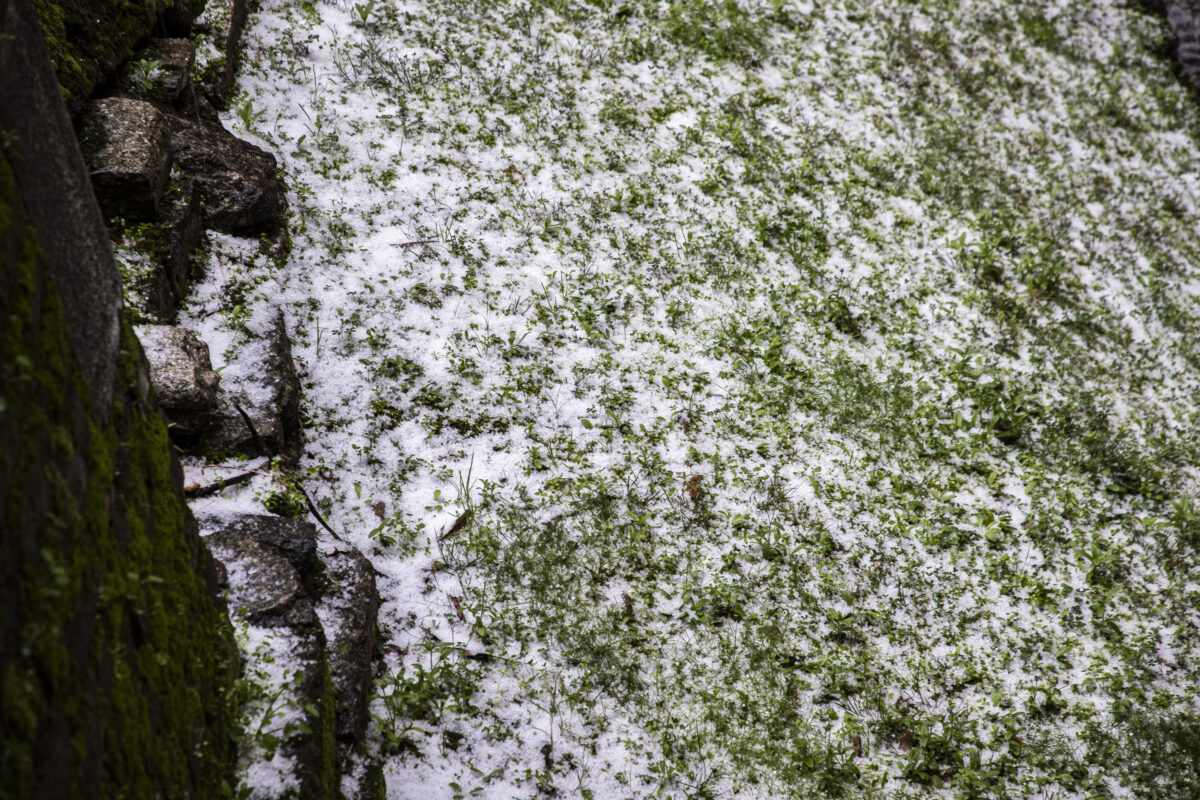

Rome, 1 July (LaPresse) – In June alone, Italy experienced as many as 700 extreme weather events, including violent thunderstorms, hailstorms, tornadoes, and wind and lightning storms – more than twenty-three a day. This figure has more than doubled compared with the same period in 2025. This is according to a Coldiretti analysis of ESWD data, which highlights the impact of climatic anomalies, with record-breaking heat alternating with violent thunderstorms affecting both towns and the countryside. After days of sweltering heat, particularly in the afternoon or evening, sudden downpours, strong gusts of wind and hailstorms can occur, with the paradoxical effect that in some areas, red alerts for severe weather follow one another within a matter of hours. Violent thunderstorms and veritable ‘water bombs’, however, do not provide any relief from the drought problem. For rain to offer any real benefit to the countryside, it needs to be prolonged, regular and of moderate intensity. On the contrary – explains Coldiretti – heavy rainfall not only damages crops but also risks exacerbating the situation: the soil is unable to absorb the water quickly, so it runs off the surface, increasing the risk of landslides, mudslides and other forms of hydrogeological instability. This is yet another problem for an agricultural sector already suffering severely due to record temperatures that have hit the north in particular – starting with the Po Basin and then spreading across the entire peninsula. According to Coldiretti’s monitoring, the hardest-hit sectors are rice, tomato and vegetable crops, as well as pastures and livestock farms, where the sweltering heat is reducing milk production and increasing costs by up to 30 per cent for product refrigeration, as well as for barn cooling systems, including misting systems, sprinklers and fans.