
Milan, 20 July (LaPresse) – Ryanair reported a net profit of €538 million for the April–June 2026 quarter (first financial quarter), down 34 per cent from the €820 million recorded in the same period of the previous year. The airline emphasised that the reasons for this lie in the surge in the price of aviation fuel and the fall in fares, developments linked to the impact of the conflict in the Middle East and the fact that the first part of the Easter holidays fell within the January–March quarter. Passenger numbers rose from 57.9 million in June 2025 to 61.3 million in June 2026, whilst operating costs increased by 11 per cent, rising from €3.42 billion to €3.81 billion. In the April–June 2026 quarter, “revenues rose by 1 per cent to €4.38 billion, whilst revenues from scheduled flights fell by 1 per cent to €2.91 billion, and air traffic grew by 6 per cent against a backdrop of fares that were 6 per cent lower”, said CEO Michael O’Leary, who added that “the conflict in the Middle East has led to some consumer hesitation, concerns over jet fuel shortages in the EU, economic uncertainty and delayed bookings”.
Ryanair: profits down 34% in the first fiscal quarter to 538 million, with the conflict in the Middle East taking its toll
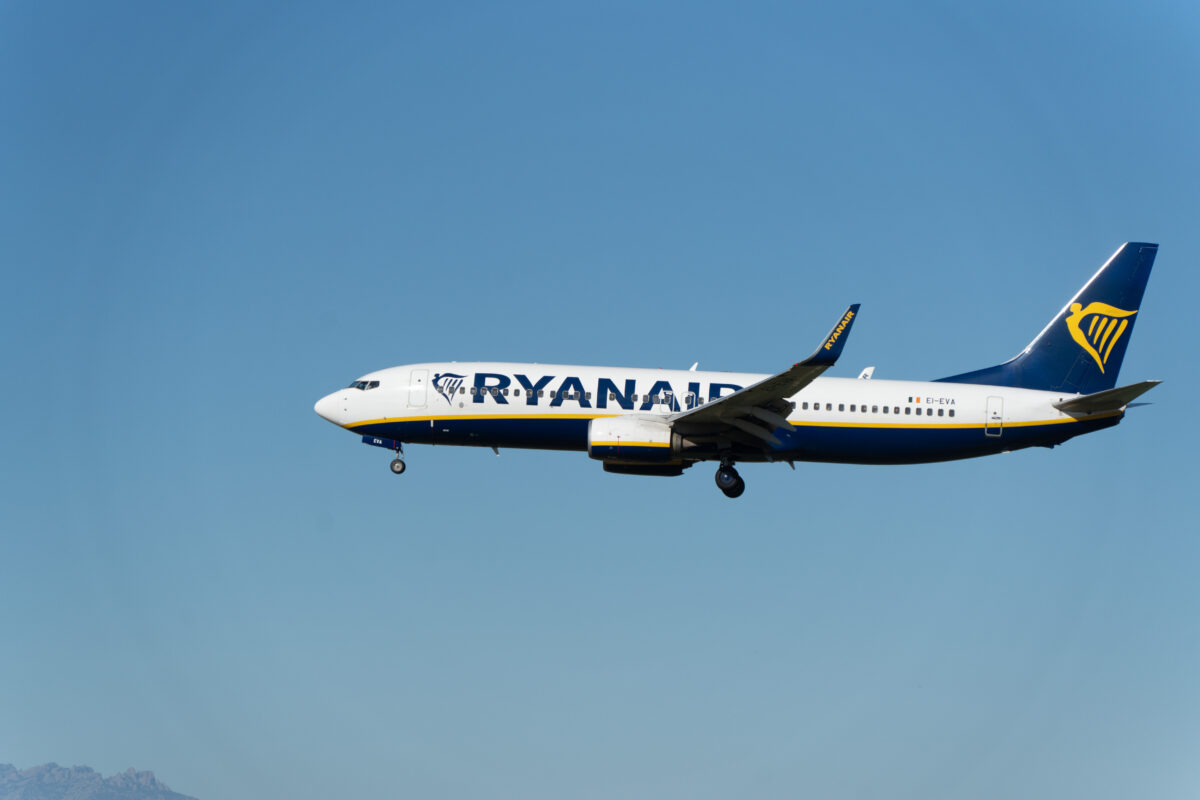

Milan, 20 July (LaPresse) – Ryanair reported a net profit of €538 million for the April–June 2026 quarter (first financial quarter), down 34 per cent from the €820 million recorded in the same period of the previous year. The airline emphasised that the reasons for this lie in the surge in the price of aviation fuel and the fall in fares, developments linked to the impact of the conflict in the Middle East and the fact that the first part of the Easter holidays fell within the January–March quarter. Passenger numbers rose from 57.9 million in June 2025 to 61.3 million in June 2026, whilst operating costs increased by 11 per cent, rising from €3.42 billion to €3.81 billion. In the April–June 2026 quarter, “revenues rose by 1 per cent to €4.38 billion, whilst revenues from scheduled flights fell by 1 per cent to €2.91 billion, and air traffic grew by 6 per cent against a backdrop of fares that were 6 per cent lower”, said CEO Michael O’Leary, who added that “the conflict in the Middle East has led to some consumer hesitation, concerns over jet fuel shortages in the EU, economic uncertainty and delayed bookings”.