
Frankfurt (Germany), 9 September (LaPresse) – A telephone call between German Chancellor Friedrich Merz and US President Donald Trump had been scheduled for today, but the call was postponed by the German side. This was reported by German government spokesperson Stefan Kornelius, who added that “a new date has not yet been set”. The telephone call had been agreed “in the context of the 25th anniversary of the 11 September attacks”. The postponement comes after Trump commented on the AfD’s victory in the Saxony-Anhalt election, attributing it to the “horrible” immigration policies and regulations which, in his view, have harmed Germany. When asked whether the postponement of the telephone call might be linked to Trump’s comments on the AfD, Kornelius neither confirmed nor denied this. “I have nothing to add to the Chancellor’s statements or to the reference to the Chancellor’s agenda,” he replied. When asked whether Berlin might raise Trump’s comments on German domestic politics with Washington, the spokesperson pointed out that the government “does not generally comment on statements made by foreign heads of state and government”. Kornelius then reiterated the position already expressed by Merz, namely that particular attention must be paid to interference or comments regarding Germany’s domestic political situation. The Chancellor, he added, does not consider this kind of intervention appropriate, even in the reverse context.
Germany: Merz-Trump phone call called off; Berlin declines to comment on tycoon’s post about the AfD
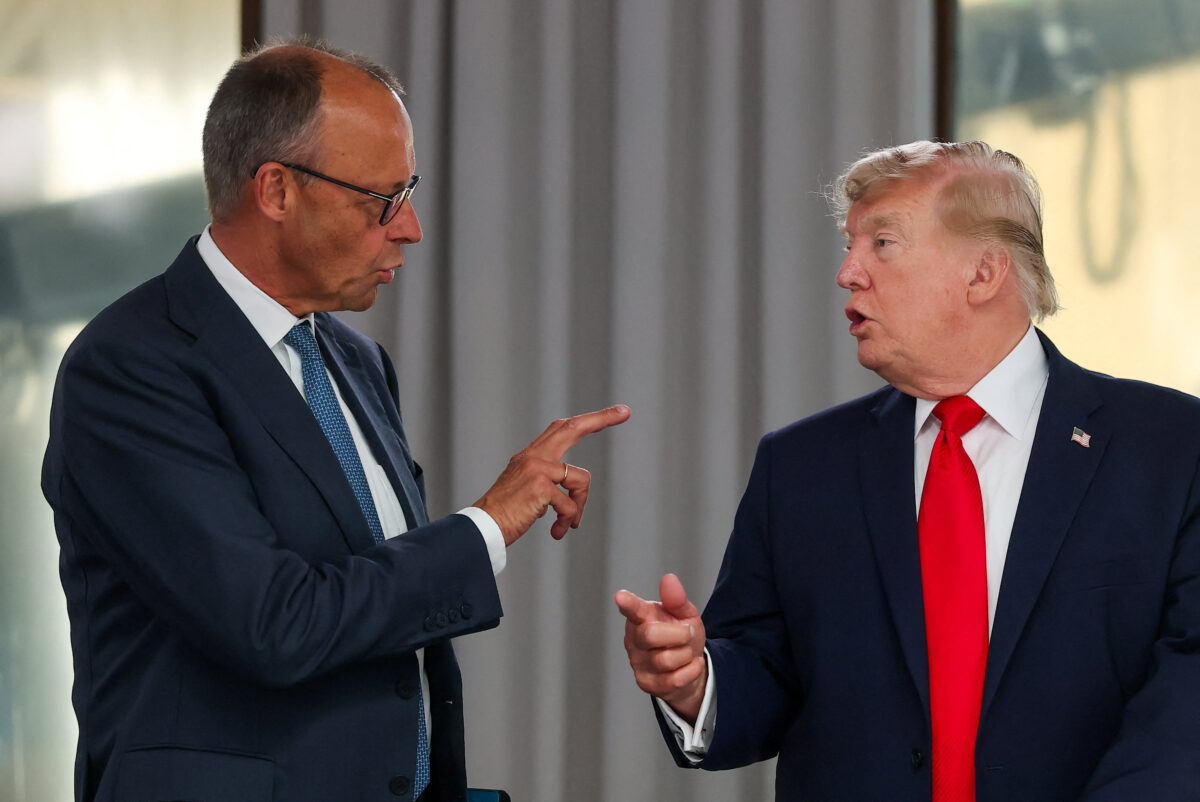

Frankfurt (Germany), 9 September (LaPresse) – A telephone call between German Chancellor Friedrich Merz and US President Donald Trump had been scheduled for today, but the call was postponed by the German side. This was reported by German government spokesperson Stefan Kornelius, who added that “a new date has not yet been set”. The telephone call had been agreed “in the context of the 25th anniversary of the 11 September attacks”. The postponement comes after Trump commented on the AfD’s victory in the Saxony-Anhalt election, attributing it to the “horrible” immigration policies and regulations which, in his view, have harmed Germany. When asked whether the postponement of the telephone call might be linked to Trump’s comments on the AfD, Kornelius neither confirmed nor denied this. “I have nothing to add to the Chancellor’s statements or to the reference to the Chancellor’s agenda,” he replied. When asked whether Berlin might raise Trump’s comments on German domestic politics with Washington, the spokesperson pointed out that the government “does not generally comment on statements made by foreign heads of state and government”. Kornelius then reiterated the position already expressed by Merz, namely that particular attention must be paid to interference or comments regarding Germany’s domestic political situation. The Chancellor, he added, does not consider this kind of intervention appropriate, even in the reverse context.