
Rome, September 14 (LaPresse) – The United Nations High Commissioner for Human Rights, Volker Türk, has urged states and globally leading companies in the field of artificial intelligence to take urgent action to ensure that effective AI governance keeps pace with its rapid development and unprecedented risks to human rights. “We are on the cusp of an irreversible change, which will affect not only us, but also future generations of humanity,” the High Commissioner states in a letter addressed to states and AI developers. “The current race towards ever more powerful artificial intelligence represents a leap towards greater existential risks for every aspect of our lives. Failures involving AI systems—let alone systems deliberately designed for that purpose—could paralyze essential services, fragment communications, destabilize critical infrastructure, and strike at the very heart of democratic institutions,” he writes. For Türk, our fate will largely depend on the deliberate choices being made now about how AI is designed, implemented, and governed. “Essential services,” Türk observed, “are being automated in ways that leave marginalized people even further behind. The hunger for data and powerful new surveillance tools are eroding privacy on a massive scale, potentially irreversibly. AI-driven disinformation campaigns are already distorting public debate, undermining social cohesion, and challenging democratic institutions in new and insidious ways.” The High Commissioner also emphasized that states hosting leading AI companies have a special obligation to require them to act responsibly and to hold them accountable if they do not. He urged states to ensure independent and technically competent verification of agents’ capabilities, with access to models, documentation, and testing environments, and to impose ongoing human rights due diligence. “Given the stakes and the current situation, I call on states and businesses to urgently mobilize,” he urged, “through multilateral forums to chart a course of action to regulate advanced and cutting-edge AI models, grounded in international human rights law.”
AI, UN: “It can strike at the heart of democracies; risks must be addressed urgently”
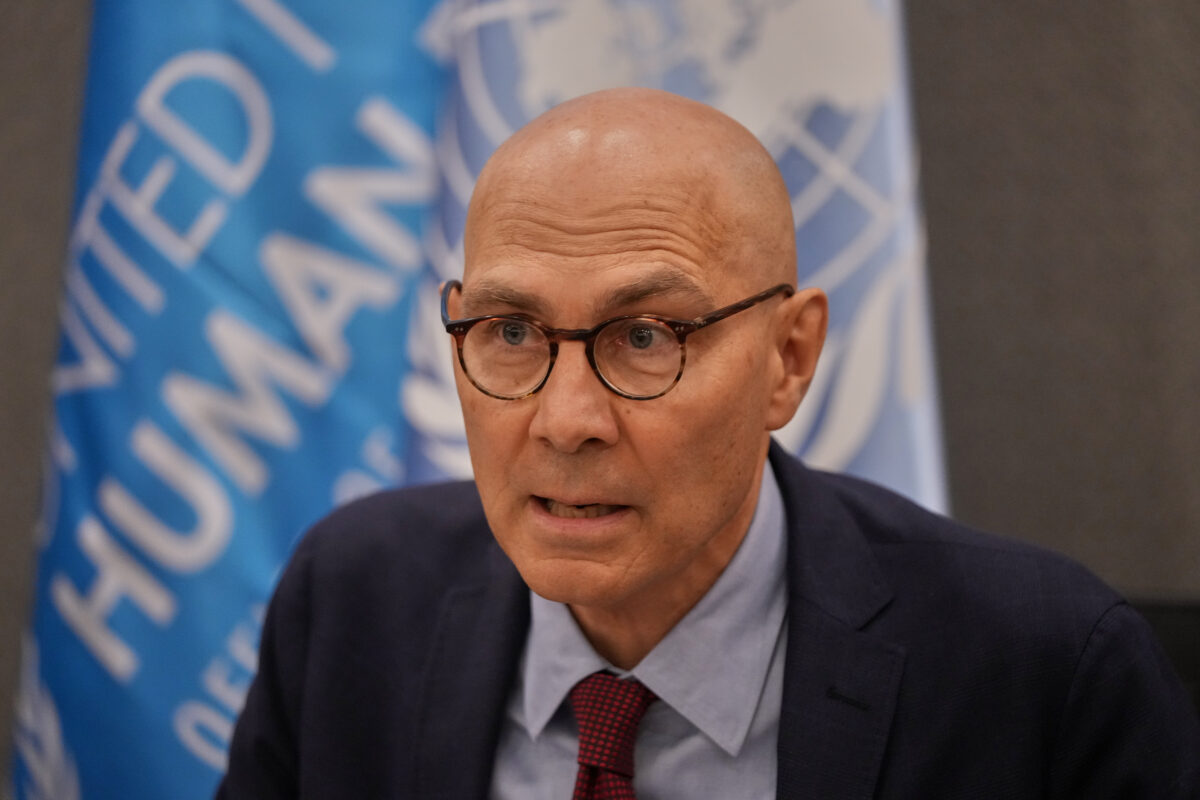

Rome, September 14 (LaPresse) – The United Nations High Commissioner for Human Rights, Volker Türk, has urged states and globally leading companies in the field of artificial intelligence to take urgent action to ensure that effective AI governance keeps pace with its rapid development and unprecedented risks to human rights. “We are on the cusp of an irreversible change, which will affect not only us, but also future generations of humanity,” the High Commissioner states in a letter addressed to states and AI developers. “The current race towards ever more powerful artificial intelligence represents a leap towards greater existential risks for every aspect of our lives. Failures involving AI systems—let alone systems deliberately designed for that purpose—could paralyze essential services, fragment communications, destabilize critical infrastructure, and strike at the very heart of democratic institutions,” he writes. For Türk, our fate will largely depend on the deliberate choices being made now about how AI is designed, implemented, and governed. “Essential services,” Türk observed, “are being automated in ways that leave marginalized people even further behind. The hunger for data and powerful new surveillance tools are eroding privacy on a massive scale, potentially irreversibly. AI-driven disinformation campaigns are already distorting public debate, undermining social cohesion, and challenging democratic institutions in new and insidious ways.” The High Commissioner also emphasized that states hosting leading AI companies have a special obligation to require them to act responsibly and to hold them accountable if they do not. He urged states to ensure independent and technically competent verification of agents’ capabilities, with access to models, documentation, and testing environments, and to impose ongoing human rights due diligence. “Given the stakes and the current situation, I call on states and businesses to urgently mobilize,” he urged, “through multilateral forums to chart a course of action to regulate advanced and cutting-edge AI models, grounded in international human rights law.”