
Frankfurt (Germany), 15 Oct. (LaPresse) – “We must significantly reduce the common budget compared with the Commission’s proposals. No Member State of the European Union can afford to pay contributions to the EU on this scale.” This was stated by German Chancellor Friedrich Merz on his arrival at the European Council in Brussels. Merz thanked the Council Presidency for the proposal put forward, which “is heading in the right direction”, but “is still a long way from where we need to be”. “Just to remind you: the current proposal is 50 per cent higher than what we are funding under the current multiannual financial framework,” the Chancellor emphasised, warning that the EU faces “very, very difficult negotiations”. “We need unanimity in the Council and we are a long way from achieving that,” added Merz, explaining that several European leaders had joined him in putting forward a proposal to reduce the allocations. The Chancellor ruled out the prospect of a deal in the coming days, whilst expressing the hope that an agreement could be reached by the end of the year. “This does not mean that we will not be able to find solutions in November and December, but for the December Council meeting we should pack a few more shirts than usual,” he concluded.
EU, Merz: ‘Significantly reduce the budget; the Irish Presidency’s proposal is not enough’
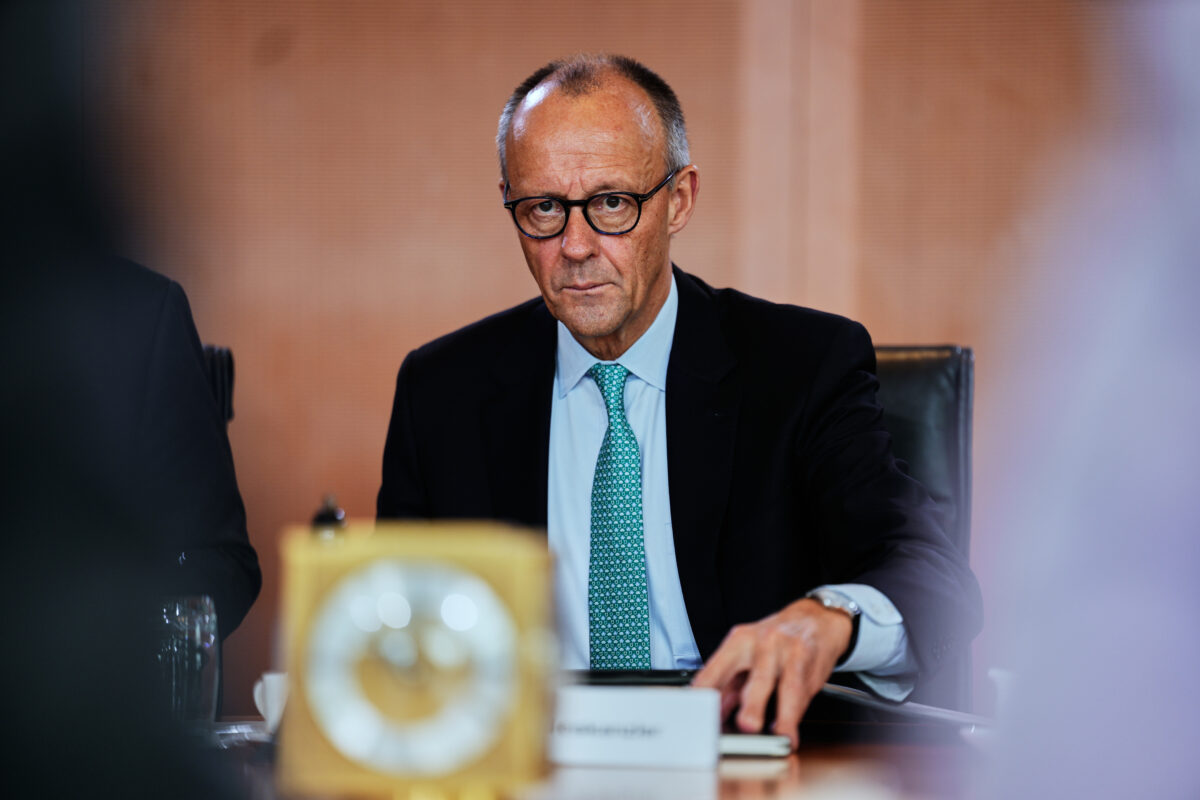

Frankfurt (Germany), 15 Oct. (LaPresse) – “We must significantly reduce the common budget compared with the Commission’s proposals. No Member State of the European Union can afford to pay contributions to the EU on this scale.” This was stated by German Chancellor Friedrich Merz on his arrival at the European Council in Brussels. Merz thanked the Council Presidency for the proposal put forward, which “is heading in the right direction”, but “is still a long way from where we need to be”. “Just to remind you: the current proposal is 50 per cent higher than what we are funding under the current multiannual financial framework,” the Chancellor emphasised, warning that the EU faces “very, very difficult negotiations”. “We need unanimity in the Council and we are a long way from achieving that,” added Merz, explaining that several European leaders had joined him in putting forward a proposal to reduce the allocations. The Chancellor ruled out the prospect of a deal in the coming days, whilst expressing the hope that an agreement could be reached by the end of the year. “This does not mean that we will not be able to find solutions in November and December, but for the December Council meeting we should pack a few more shirts than usual,” he concluded.