
Brussels, 20 Oct. (LaPresse) – “The list of challenges is long, but some stand out in particular. Russia is expanding its military presence in the far north: Moscow has reopened Soviet-era bases and is testing new weapons in the region. Drone incursions, GPS signal jamming and the sabotage of undersea cables are undermining security in the Arctic. The increase in traffic from Russia’s ‘shadow fleet’ is putting shipping and the environment at risk. China’s strategic ambitions in the far north are also growing; Beijing’s investments in ports, mineral resources and critical infrastructure require careful analysis.” This was stated by the EU High Representative for Foreign Affairs, Kaja Kallas, during the debate on the escalation of Russian attacks in Europe – particularly in the Black Sea – at the European Parliament in Strasbourg. “In short, the Arctic has become the front line of global competition between major powers. All this is happening because the Arctic is warming at a rate three to four times faster than the global average. The retreat of the ice is opening up access to resources and sea routes, intensifying the struggle for control over them. The Arctic represents Europe’s northern neighbourhood,” she added.
EU, Kallas: ‘Russia and China pose a threat in the Arctic’
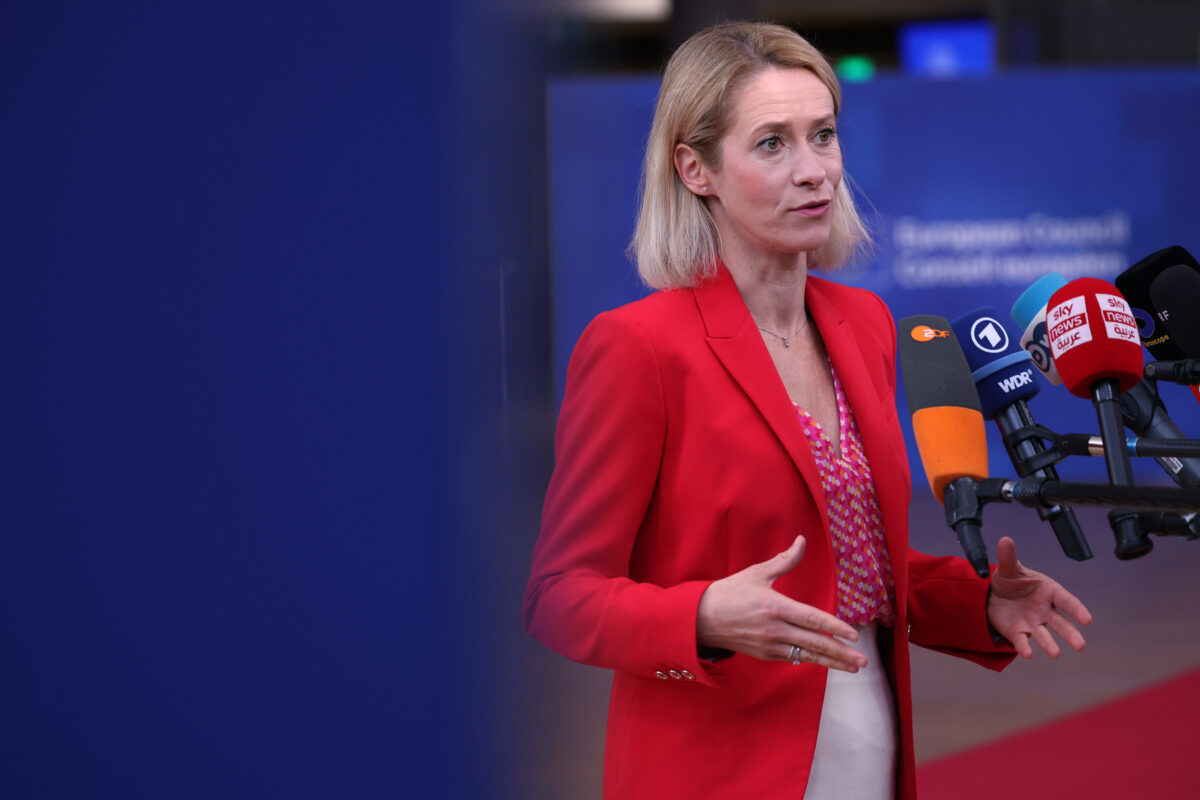

Brussels, 20 Oct. (LaPresse) – “The list of challenges is long, but some stand out in particular. Russia is expanding its military presence in the far north: Moscow has reopened Soviet-era bases and is testing new weapons in the region. Drone incursions, GPS signal jamming and the sabotage of undersea cables are undermining security in the Arctic. The increase in traffic from Russia’s ‘shadow fleet’ is putting shipping and the environment at risk. China’s strategic ambitions in the far north are also growing; Beijing’s investments in ports, mineral resources and critical infrastructure require careful analysis.” This was stated by the EU High Representative for Foreign Affairs, Kaja Kallas, during the debate on the escalation of Russian attacks in Europe – particularly in the Black Sea – at the European Parliament in Strasbourg. “In short, the Arctic has become the front line of global competition between major powers. All this is happening because the Arctic is warming at a rate three to four times faster than the global average. The retreat of the ice is opening up access to resources and sea routes, intensifying the struggle for control over them. The Arctic represents Europe’s northern neighbourhood,” she added.