
Milan, Aug. 8 (LaPresse) – With the suspension of Schengen with Spain beginning last night, “it is too early to give figures on the impact, but there is a risk that this, in a particularly busy month for travel and tourism such as August, could put pressure on airports and on those organising logistics and transfers, hotels and ancillary services. But these are situations that we will only be able to assess in the coming days.” Gian Mario Pileri, president of Fiavet-Confcommercio, the association of travel agencies and tourism businesses, told LaPresse this when asked about the Italy-Spain crisis and the impact on tourist flows following the suspension of the Schengen agreement between the two countries. The head of Fiavet urges against immediately raising the alarm over possible damage to tourism from this bilateral situation involving Italy and Spain, although the risk of disruption and longer queues cannot be ruled out at a time when airports were already dealing with problems related to the new EES system, which has created fairly long queues both on arrival and departure,” namely the automated IT system that registers third-country travellers staying for short periods. “So much so that – Pileri continued – many airports are suspending it at least until September.” The situation between Italy and Spain could therefore complicate the existing situation with further disruption, although Pileri does not currently take these for granted. Pileri also points out that “this is not the period when the largest numbers of foreign tourists arrive in Italy, but when Italians travel the most”, so “we could have more disruption when travelling out to Spain than when Spaniards arrive here”, and in any case Spain is not the destination under the most pressure in August.
Migrants, Fiavet: “Assessing impact in coming days, risk of difficulties at airports, in logistics and hotels”
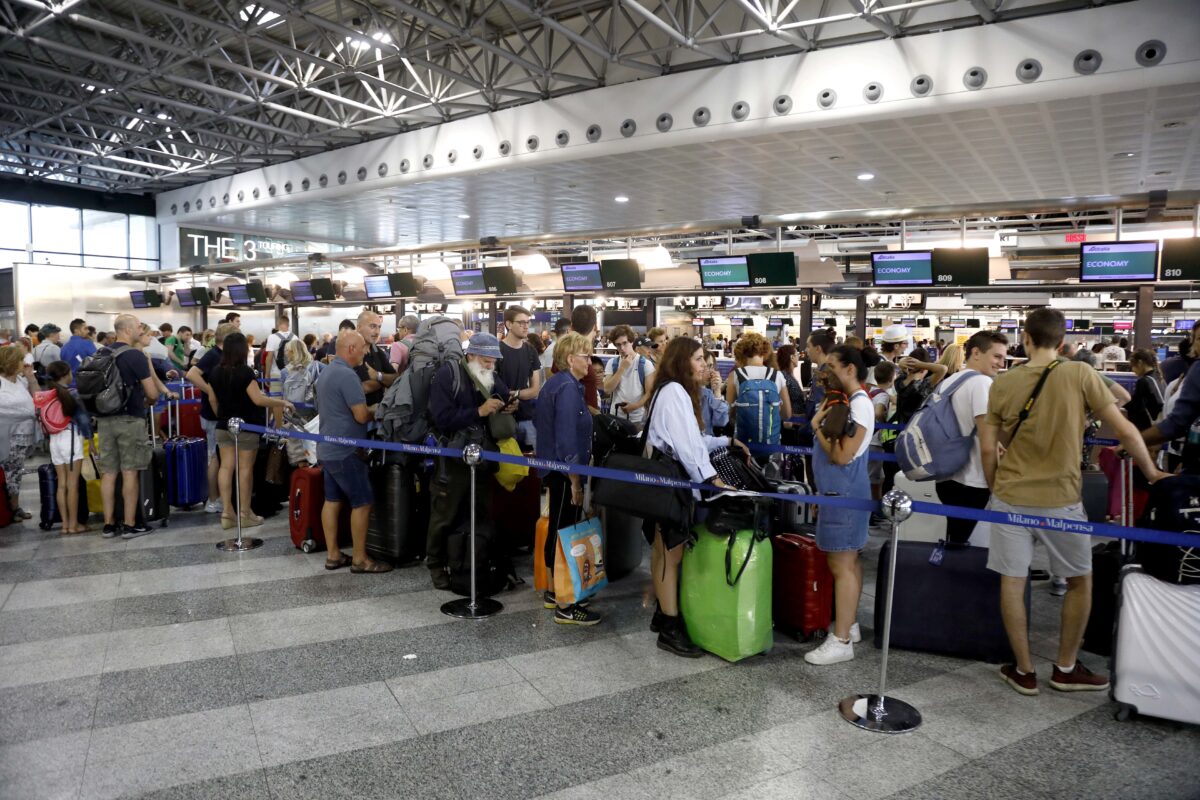

Milan, Aug. 8 (LaPresse) – With the suspension of Schengen with Spain beginning last night, “it is too early to give figures on the impact, but there is a risk that this, in a particularly busy month for travel and tourism such as August, could put pressure on airports and on those organising logistics and transfers, hotels and ancillary services. But these are situations that we will only be able to assess in the coming days.” Gian Mario Pileri, president of Fiavet-Confcommercio, the association of travel agencies and tourism businesses, told LaPresse this when asked about the Italy-Spain crisis and the impact on tourist flows following the suspension of the Schengen agreement between the two countries. The head of Fiavet urges against immediately raising the alarm over possible damage to tourism from this bilateral situation involving Italy and Spain, although the risk of disruption and longer queues cannot be ruled out at a time when airports were already dealing with problems related to the new EES system, which has created fairly long queues both on arrival and departure,” namely the automated IT system that registers third-country travellers staying for short periods. “So much so that – Pileri continued – many airports are suspending it at least until September.” The situation between Italy and Spain could therefore complicate the existing situation with further disruption, although Pileri does not currently take these for granted. Pileri also points out that “this is not the period when the largest numbers of foreign tourists arrive in Italy, but when Italians travel the most”, so “we could have more disruption when travelling out to Spain than when Spaniards arrive here”, and in any case Spain is not the destination under the most pressure in August.