
Milan, 24 Sept. (LaPresse) – “A firm in difficulty cannot benefit from the subsidies provided for firms with high electricity or gas consumption.” This is what the Court of Justice of the European Union ruled in the cases relating to Acciaierie d’Italia. In 2024, the Italian authorities rejected ADI’s applications for inclusion, for the year 2025, on the lists of companies with high electricity or gas consumption. Consequently, ADI did not benefit from the financial incentives provided for such companies. These refusals were based on ADI’s classification as an ‘undertaking in difficulty’ within the meaning of the European Commission’s Guidelines on State aid for rescuing firms in difficulty, due to its placement under the Italian special administration regime and its state of insolvency. The Court finds that, in adopting the Guidelines on rescue aid, the Commission deliberately restricted its own discretion regarding the compatibility of State aid. Consequently, any derogation from those rules would constitute a breach of general principles of law, in particular those of equal treatment and the protection of legitimate expectations. The Court notes that Italy has merely brought its legislation on State aid for the energy sector into line with the requirements of the Commission’s framework on State aid for climate, the environment and energy, which specifies that energy aid must not be granted to firms in difficulty within the meaning of the Guidelines on rescue aid.
Former Ilva: EU Court: “No energy subsidies for firms in difficulty”
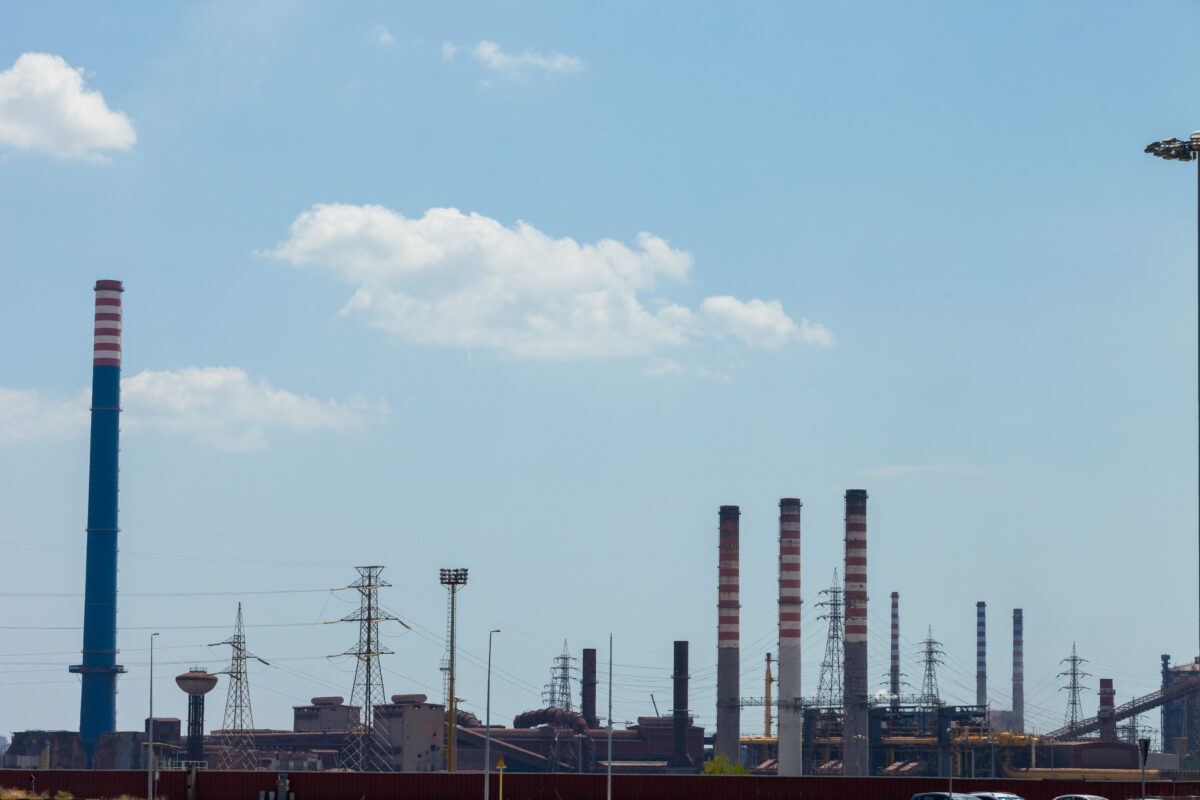

Milan, 24 Sept. (LaPresse) – “A firm in difficulty cannot benefit from the subsidies provided for firms with high electricity or gas consumption.” This is what the Court of Justice of the European Union ruled in the cases relating to Acciaierie d’Italia. In 2024, the Italian authorities rejected ADI’s applications for inclusion, for the year 2025, on the lists of companies with high electricity or gas consumption. Consequently, ADI did not benefit from the financial incentives provided for such companies. These refusals were based on ADI’s classification as an ‘undertaking in difficulty’ within the meaning of the European Commission’s Guidelines on State aid for rescuing firms in difficulty, due to its placement under the Italian special administration regime and its state of insolvency. The Court finds that, in adopting the Guidelines on rescue aid, the Commission deliberately restricted its own discretion regarding the compatibility of State aid. Consequently, any derogation from those rules would constitute a breach of general principles of law, in particular those of equal treatment and the protection of legitimate expectations. The Court notes that Italy has merely brought its legislation on State aid for the energy sector into line with the requirements of the Commission’s framework on State aid for climate, the environment and energy, which specifies that energy aid must not be granted to firms in difficulty within the meaning of the Guidelines on rescue aid.