
Milan, Sept. 27 (LaPresse) – Against fuel prices that continue to rise, “targeted measures have been launched, such as the tax credit for road hauliers, and others are being defined by the Ministry of Economy and Finance to support workers and lower-income families.” This was stated by Minister of Enterprises and Made in Italy Adolfo Urso in an interview with ‘Repubblica’. Regarding the decision not to intervene from the outset with targeted measures, he observes: “Yes, I immediately expressed these considerations in Parliament, a few days after the conflict erupted, but the hope that a negotiated solution would soon be reached prevailed. That is why a general measure was chosen.” A choice “which was also in line with what the Draghi government did, which in 2022 used more than seven billion euros to cut excise duties, increasing the deficit-to-GDP ratio to 8.1%. We reduced it to 3.07%, without, moreover, curbing inflation, which in that case really soared.” The cost of living, also compounded by the rising cost of energy due to the conflict in the Gulf, continues to weigh on Italians’ wallets: “When we came into government, in October 2022, it stood at 12.6%, well above the European average. In the following years we ensured low inflation: 1% in 2024, 1.5% last year, always well below the European average. And even today, with the new conflict, inflation remains around 3%; inflation for the so-called shopping basket is at 0.9%.” On the fuel price cap announced by Eni, he said: “We appreciate Eni’s responsible decision and hope others will follow its example. This demonstrates the authority of this government and the credibility it has earned in this field. Without forcing the issue.”
Fuel, Urso: “Ready to support low-income families”
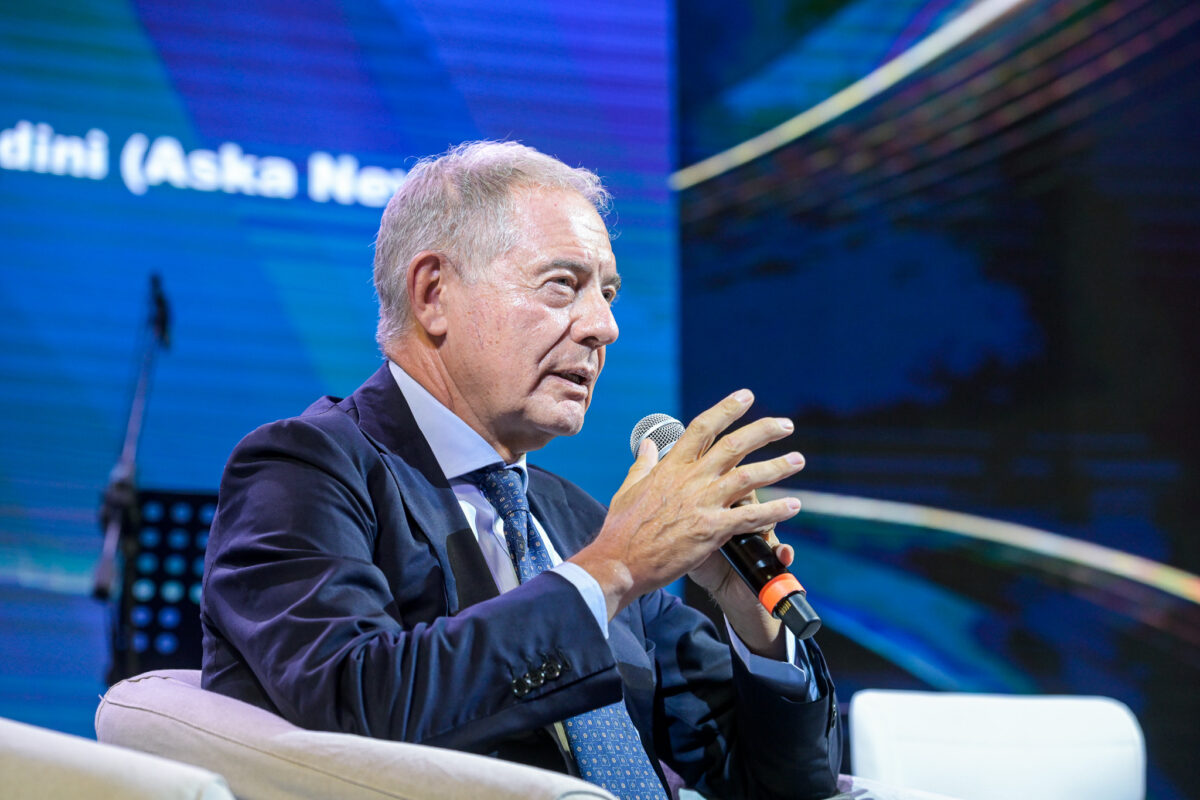

Milan, Sept. 27 (LaPresse) – Against fuel prices that continue to rise, “targeted measures have been launched, such as the tax credit for road hauliers, and others are being defined by the Ministry of Economy and Finance to support workers and lower-income families.” This was stated by Minister of Enterprises and Made in Italy Adolfo Urso in an interview with ‘Repubblica’. Regarding the decision not to intervene from the outset with targeted measures, he observes: “Yes, I immediately expressed these considerations in Parliament, a few days after the conflict erupted, but the hope that a negotiated solution would soon be reached prevailed. That is why a general measure was chosen.” A choice “which was also in line with what the Draghi government did, which in 2022 used more than seven billion euros to cut excise duties, increasing the deficit-to-GDP ratio to 8.1%. We reduced it to 3.07%, without, moreover, curbing inflation, which in that case really soared.” The cost of living, also compounded by the rising cost of energy due to the conflict in the Gulf, continues to weigh on Italians’ wallets: “When we came into government, in October 2022, it stood at 12.6%, well above the European average. In the following years we ensured low inflation: 1% in 2024, 1.5% last year, always well below the European average. And even today, with the new conflict, inflation remains around 3%; inflation for the so-called shopping basket is at 0.9%.” On the fuel price cap announced by Eni, he said: “We appreciate Eni’s responsible decision and hope others will follow its example. This demonstrates the authority of this government and the credibility it has earned in this field. Without forcing the issue.”