
Rome, 24 Nov. (LaPresse) – “I go to bed with a clear conscience.” These were the words of Alberto Stasi, in an interview with QN, who was definitively convicted of the murder of Chiara Poggi in Garlasco on 13 August 2007. Stasi recalls what life was like in Bollate Prison: the friendships he made, the suffering he and the other inmates endured, and the fact that inmates can choose their own cellmate if they wish – “a sensible way of running a prison” – whilst expressing the hope that official prison inspections should be carried out unannounced: not the kind that are announced in advance, with the walls repainted the week before, but “open the doors and see what it’s really like” . He then recalls the strength his family gave him during his years in prison: “Mine is small, but close-knit,” he says, noting that his father is no longer with them, but his mother has always been there. His old friends, he says, have drifted apart, as happens in life. Two of his old friends, who went on to become lawyers, wrote to him frequently over the years, offering their help. And then there’s his relationship with journalists: whenever he felt he was being followed, he would stop and politely ask what they needed. A few photos, in case they’re worth anything. “But I hope they’re never worth anything,” Stasi adds.
Garlasco, Stasi: “I go to bed with a clear conscience”
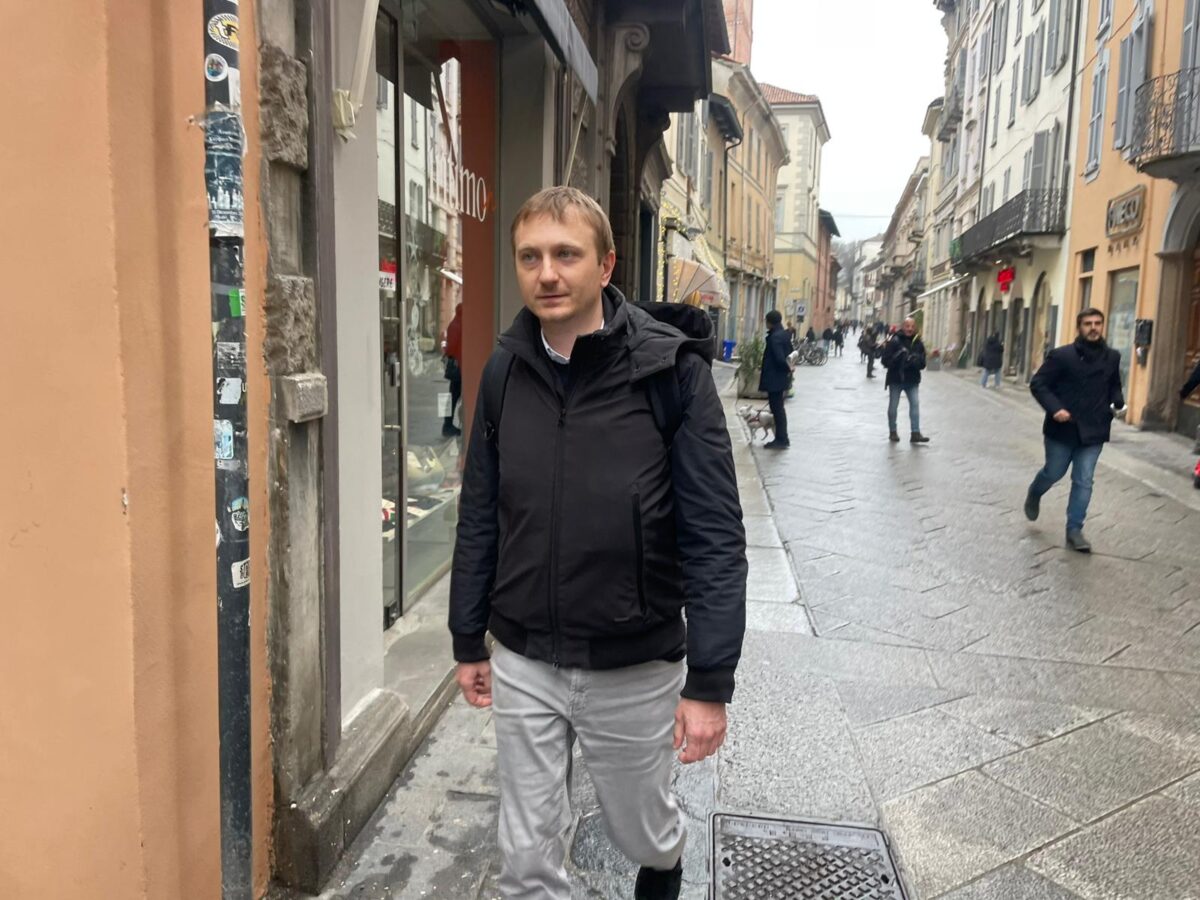

Rome, 24 Nov. (LaPresse) – “I go to bed with a clear conscience.” These were the words of Alberto Stasi, in an interview with QN, who was definitively convicted of the murder of Chiara Poggi in Garlasco on 13 August 2007. Stasi recalls what life was like in Bollate Prison: the friendships he made, the suffering he and the other inmates endured, and the fact that inmates can choose their own cellmate if they wish – “a sensible way of running a prison” – whilst expressing the hope that official prison inspections should be carried out unannounced: not the kind that are announced in advance, with the walls repainted the week before, but “open the doors and see what it’s really like” . He then recalls the strength his family gave him during his years in prison: “Mine is small, but close-knit,” he says, noting that his father is no longer with them, but his mother has always been there. His old friends, he says, have drifted apart, as happens in life. Two of his old friends, who went on to become lawyers, wrote to him frequently over the years, offering their help. And then there’s his relationship with journalists: whenever he felt he was being followed, he would stop and politely ask what they needed. A few photos, in case they’re worth anything. “But I hope they’re never worth anything,” Stasi adds.