
Rome, 27 Nov. (LaPresse) – “The disciplinary sanction confirms the defence’s argument: the information provided to the Juvenile Court of L’Aquila was not always objective.” This is the view of lawyer Simone Pillon, representing Nathan Trevallion and Catherine Birmingham, the parents of the so-called ‘forest family’ from Palmoli, commenting on the 70-day suspension of one of the social workers handling the case, imposed by the Disciplinary Council for alleged breaches of the code of ethics. The conduct in question is said to have caused ‘serious harm’. “The portrayal of an unfit family,” argues Pillon, “is more the result of an ideological interpretation than of objective evidence.” A portrayal which, according to the lawyer, continues to emerge even in the most recent reports. The defence hopes that this measure may encourage a different attitude on the part of social workers towards the parents and contribute to a review of the case, leading to the return of the three children, who were removed from the family by order of the Juvenile Court. “It gives the parents cause for hope to learn that our country’s judicial and administrative system has been able, albeit after a long delay, to punish the abuses. It is now up to the court to take note of what has happened and decide on the children’s permanent return,” concludes Pillon.
Bosco family, Pillon: “Social worker suspended for 70 days; assessments not objective”
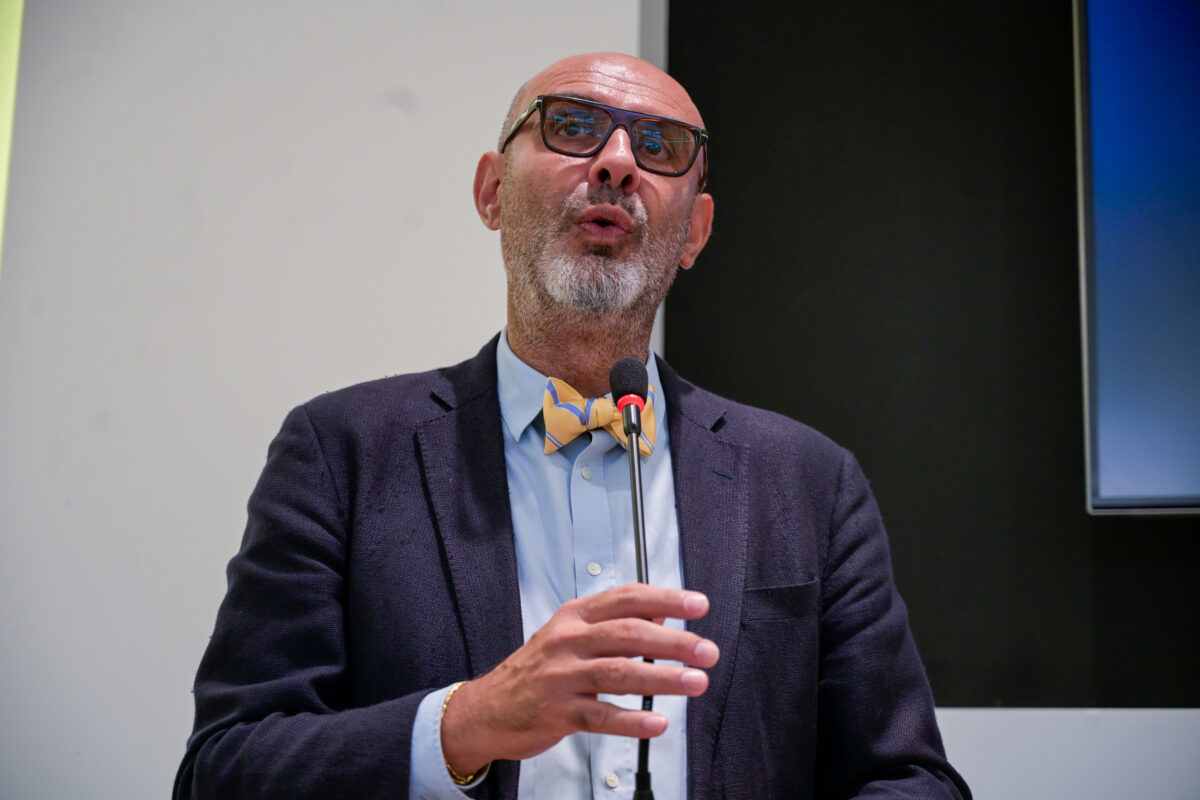

Rome, 27 Nov. (LaPresse) – “The disciplinary sanction confirms the defence’s argument: the information provided to the Juvenile Court of L’Aquila was not always objective.” This is the view of lawyer Simone Pillon, representing Nathan Trevallion and Catherine Birmingham, the parents of the so-called ‘forest family’ from Palmoli, commenting on the 70-day suspension of one of the social workers handling the case, imposed by the Disciplinary Council for alleged breaches of the code of ethics. The conduct in question is said to have caused ‘serious harm’. “The portrayal of an unfit family,” argues Pillon, “is more the result of an ideological interpretation than of objective evidence.” A portrayal which, according to the lawyer, continues to emerge even in the most recent reports. The defence hopes that this measure may encourage a different attitude on the part of social workers towards the parents and contribute to a review of the case, leading to the return of the three children, who were removed from the family by order of the Juvenile Court. “It gives the parents cause for hope to learn that our country’s judicial and administrative system has been able, albeit after a long delay, to punish the abuses. It is now up to the court to take note of what has happened and decide on the children’s permanent return,” concludes Pillon.