
Rome, 19 July (LaPresse) – “Who is in a position to judge this man’s pain, trauma, stress and fear? And to all those who do so without giving him the benefit of the doubt, I say calmly that they are wrong, because everyone should ask themselves a few more questions.” These are some of the reflections that Prime Minister Giorgia Meloni shared with *Corriere della Sera* on the case of Mario Roggero, the jeweller sentenced to 14 years and 9 months for killing two robbers who had just raided his shop. In the Prime Minister’s view, what is needed first and foremost is “greater consideration” – not only for this individual case, but for a type of criminal offence that occurs repeatedly throughout the year across the country, and in which, in many circumstances, “one can recognise what is described – both in the procedure for certain pardons and in the acquittals handed down in much case law – as dynamics dictated by the victims’ desperation, stress arising from exasperation and pain”. “But are we sure,” the Prime Minister asks, “that at that moment he was of sound mind? Are we sure there is a way to measure, by the clock or by the law, when a threat has ceased or not, at least for a man like this, who has found himself on the brink of death – his own and that of his family – on no fewer than two occasions?” “If you are attacked, your brain and body go into ‘fight’ mode,” the Prime Minister told *Il Corriere della Sera*, “there is a wealth of literature on the subject explaining how adrenaline alters all the senses, the body and perception. It happens even to professionals whose job is security, let alone an ordinary citizen.” Furthermore, she adds, “You cannot sentence paedophiles to eight years or gang rape cases to less than ten years and then condemn this jeweller to die in prison; there is a problem of proportionality in sentencing.”
Roggero case, Meloni: “Disproportionate sentence; stress and fear must be taken into account”
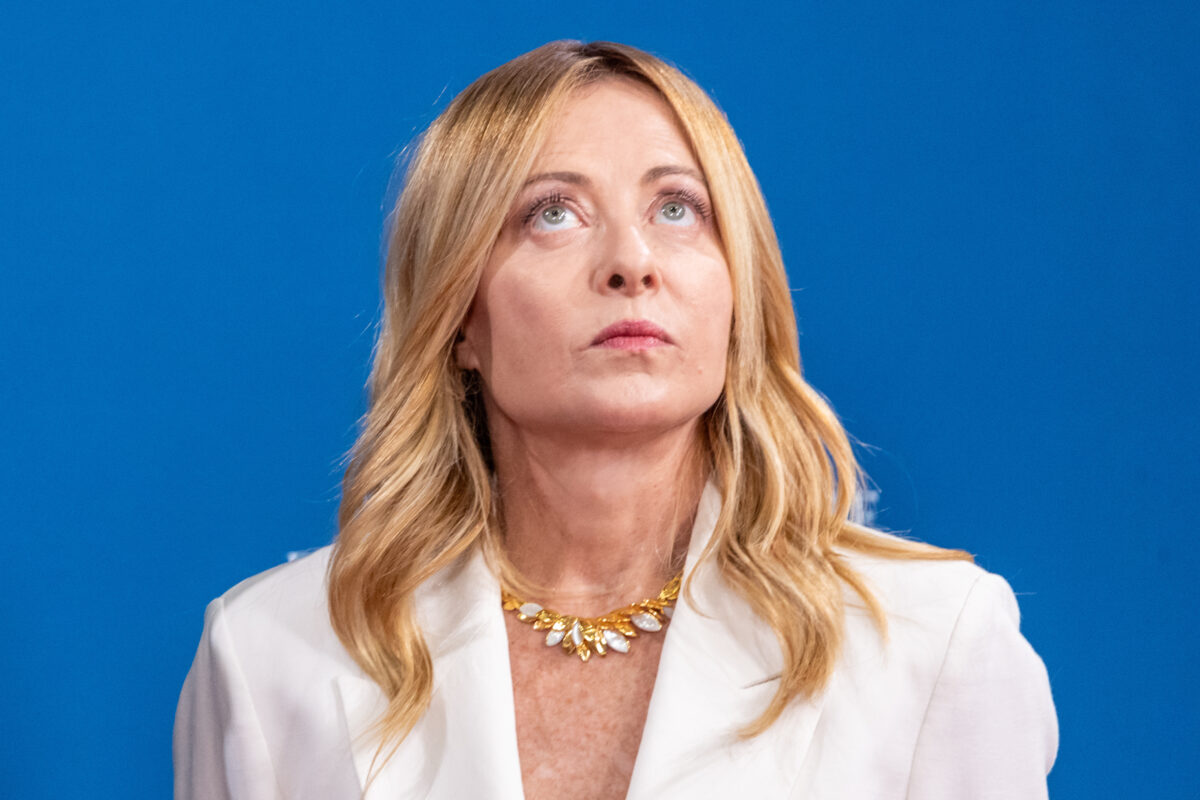

Rome, 19 July (LaPresse) – “Who is in a position to judge this man’s pain, trauma, stress and fear? And to all those who do so without giving him the benefit of the doubt, I say calmly that they are wrong, because everyone should ask themselves a few more questions.” These are some of the reflections that Prime Minister Giorgia Meloni shared with *Corriere della Sera* on the case of Mario Roggero, the jeweller sentenced to 14 years and 9 months for killing two robbers who had just raided his shop. In the Prime Minister’s view, what is needed first and foremost is “greater consideration” – not only for this individual case, but for a type of criminal offence that occurs repeatedly throughout the year across the country, and in which, in many circumstances, “one can recognise what is described – both in the procedure for certain pardons and in the acquittals handed down in much case law – as dynamics dictated by the victims’ desperation, stress arising from exasperation and pain”. “But are we sure,” the Prime Minister asks, “that at that moment he was of sound mind? Are we sure there is a way to measure, by the clock or by the law, when a threat has ceased or not, at least for a man like this, who has found himself on the brink of death – his own and that of his family – on no fewer than two occasions?” “If you are attacked, your brain and body go into ‘fight’ mode,” the Prime Minister told *Il Corriere della Sera*, “there is a wealth of literature on the subject explaining how adrenaline alters all the senses, the body and perception. It happens even to professionals whose job is security, let alone an ordinary citizen.” Furthermore, she adds, “You cannot sentence paedophiles to eight years or gang rape cases to less than ten years and then condemn this jeweller to die in prison; there is a problem of proportionality in sentencing.”