
Milan, 15 Nov. (LaPresse) – Confimprenditori has expressed an extremely critical view of the 2027 Budget. “Whilst we welcome certain measures, including the reduction in the second IRPEF tax band, tax relief on employment income and the raising of the size limits for craft businesses, our assessment of the overall package remains strongly negative. The budget relies largely on temporary measures, with effects limited to 2027 and without a medium- to long-term strategy. There is a lack of structural measures to reduce businesses’ fixed costs, support liquidity, facilitate generational succession and stimulate investment. There is no sign of a comprehensive plan capable of boosting productivity and strengthening the competitiveness of the Italian production system. Concrete action is needed on infrastructure, energy networks and, above all, measures to protect smaller businesses from market fluctuations and rising energy costs. There are also doubts regarding the funding. A significant proportion of the resources comes from the banking and insurance sectors, through higher tax levies and changes to tax deduction mechanisms,” reads a statement.
Budget Bill, Confimprenditori: ‘Businesses need reforms, not one-off bonuses’
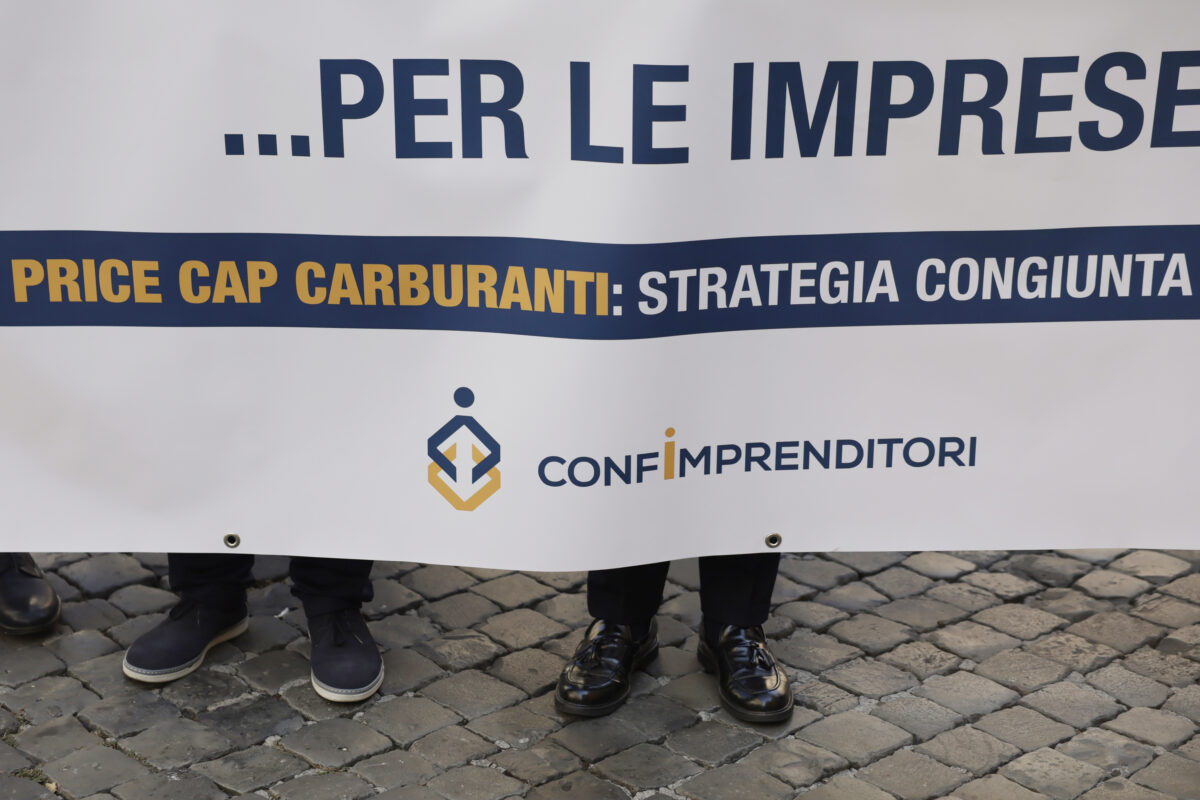

Milan, 15 Nov. (LaPresse) – Confimprenditori has expressed an extremely critical view of the 2027 Budget. “Whilst we welcome certain measures, including the reduction in the second IRPEF tax band, tax relief on employment income and the raising of the size limits for craft businesses, our assessment of the overall package remains strongly negative. The budget relies largely on temporary measures, with effects limited to 2027 and without a medium- to long-term strategy. There is a lack of structural measures to reduce businesses’ fixed costs, support liquidity, facilitate generational succession and stimulate investment. There is no sign of a comprehensive plan capable of boosting productivity and strengthening the competitiveness of the Italian production system. Concrete action is needed on infrastructure, energy networks and, above all, measures to protect smaller businesses from market fluctuations and rising energy costs. There are also doubts regarding the funding. A significant proportion of the resources comes from the banking and insurance sectors, through higher tax levies and changes to tax deduction mechanisms,” reads a statement.