
Frankfurt (Germany), 13 July (LaPresse) – The Russian Foreign Ministry has summoned the German ambassador to Russia, Alexander Lambsdorff, to protest against what it describes as Berlin’s growing support for Ukraine and its involvement in Kyiv’s activities against Russian territory. In a statement, as reported by TASS, the ministry said it had reiterated to the diplomat “the unacceptability of the German government’s growing support for the regime in Kyiv”, referring to both arms supplies and industrial cooperation between Germany and Ukraine. According to Moscow, Berlin is indirectly participating in the “terrorist attacks” carried out by Ukraine against civilian infrastructure in Russia through the supply of weapons and the organisation of joint ventures, the resources of which, the ministry claims, are being used to strike Russian civilian targets. During the meeting, the Russian authorities also described as “unacceptable” Germany’s attempts to influence relations between Russia and third countries, including official representatives of China, by telling them “how and in what form” to develop relations with Moscow. The Russian Foreign Ministry also accused the German media of adopting communication methods which, it claims, are reminiscent of “the worst practices of Nazi propaganda” . The statement, TASS continues, also asserts that Lambsdorff will soon return to Germany by car – a circumstance which, according to Moscow, would contradict previous communications from the German embassy regarding difficulties in obtaining fuel in Moscow. The summoning of the German ambassador comes just a few hours after that of the Russian ambassador, Sergei Nechaev, to the German Foreign Ministry. Berlin justified the decision by citing Russia’s alleged responsibility for a campaign of cyber-attacks against Germany, other European Union countries and Ukraine. The Russian embassy in Berlin has repeatedly rejected these accusations, denouncing what it calls “an artificial escalation of anti-Russian hysteria” and arguing that the allegations of cyber-attacks amount to “conspiracy theories”.
Moscow summons German ambassador over Berlin’s growing support for Kyi
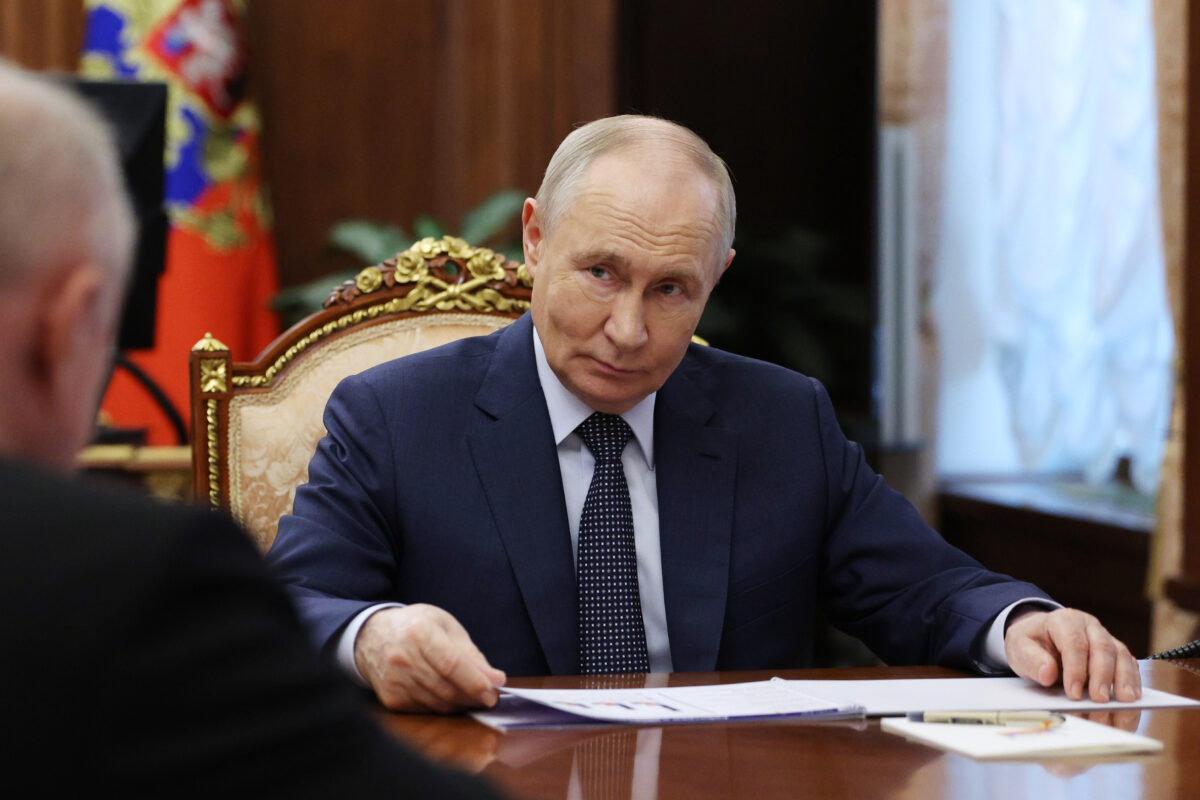

Frankfurt (Germany), 13 July (LaPresse) – The Russian Foreign Ministry has summoned the German ambassador to Russia, Alexander Lambsdorff, to protest against what it describes as Berlin’s growing support for Ukraine and its involvement in Kyiv’s activities against Russian territory. In a statement, as reported by TASS, the ministry said it had reiterated to the diplomat “the unacceptability of the German government’s growing support for the regime in Kyiv”, referring to both arms supplies and industrial cooperation between Germany and Ukraine. According to Moscow, Berlin is indirectly participating in the “terrorist attacks” carried out by Ukraine against civilian infrastructure in Russia through the supply of weapons and the organisation of joint ventures, the resources of which, the ministry claims, are being used to strike Russian civilian targets. During the meeting, the Russian authorities also described as “unacceptable” Germany’s attempts to influence relations between Russia and third countries, including official representatives of China, by telling them “how and in what form” to develop relations with Moscow. The Russian Foreign Ministry also accused the German media of adopting communication methods which, it claims, are reminiscent of “the worst practices of Nazi propaganda” . The statement, TASS continues, also asserts that Lambsdorff will soon return to Germany by car – a circumstance which, according to Moscow, would contradict previous communications from the German embassy regarding difficulties in obtaining fuel in Moscow. The summoning of the German ambassador comes just a few hours after that of the Russian ambassador, Sergei Nechaev, to the German Foreign Ministry. Berlin justified the decision by citing Russia’s alleged responsibility for a campaign of cyber-attacks against Germany, other European Union countries and Ukraine. The Russian embassy in Berlin has repeatedly rejected these accusations, denouncing what it calls “an artificial escalation of anti-Russian hysteria” and arguing that the allegations of cyber-attacks amount to “conspiracy theories”.