
Frankfurt (Germany), 18 Aug. (LaPresse) – Germany is to extend external border controls by a further six months, until mid-March 2027. Interior Minister Alexander Dobrindt has formally notified the European Commission of the decision, a ministry spokeswoman confirmed, as reported by Bild. The controls, introduced in September 2024, had last been extended until 15 September 2026. The German government justifies the decision on the grounds that the situation at the EU’s external borders remains “tense” and that it is necessary to prevent a further rise in irregular entries. Berlin emphasises that the checks also represent an important tool in the fight against human trafficking organisations. “Developments at Europe’s external borders show that checks are still necessary to deter illegal migration,” Dobrindt told Bild. The minister had already announced the extension at the end of July, following the arrival of tens of thousands of migrants in the Spanish autonomous city of Ceuta, in North Africa. These incidents, Dobrindt explained, had demonstrated just how ‘volatile’ the migration situation is at Europe’s external borders. Germany therefore intends to maintain its capacity to intervene and continue to protect its borders. Border controls at Germany’s borders have been in force since 16 September 2024, when they were introduced by the then Interior Minister Nancy Faeser (SPD) to combat unauthorised entries. Since then, they have been extended several times, despite criticism from some EU countries. The new extension will now have to be assessed by the European Commission. In the absence of objections, the controls will remain in force until mid-March 2027.
Migrants: Berlin extends external border controls until mid-March 2027
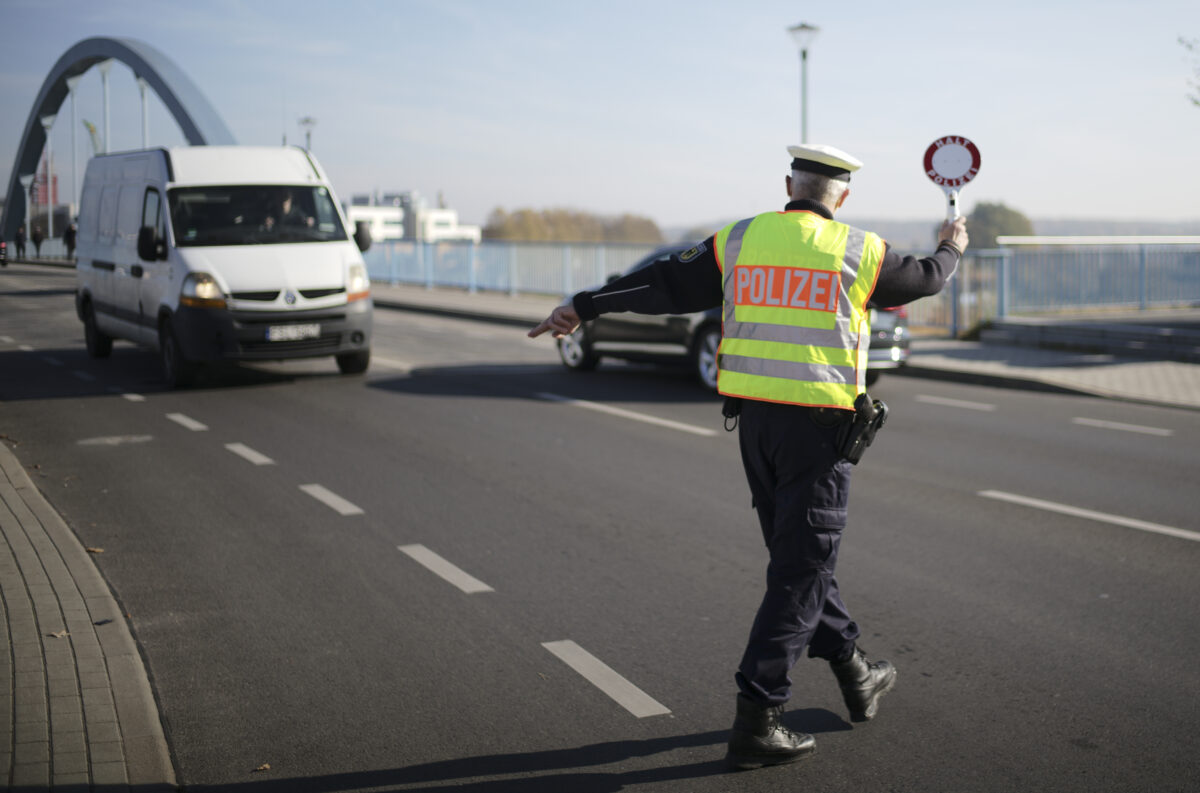

Frankfurt (Germany), 18 Aug. (LaPresse) – Germany is to extend external border controls by a further six months, until mid-March 2027. Interior Minister Alexander Dobrindt has formally notified the European Commission of the decision, a ministry spokeswoman confirmed, as reported by Bild. The controls, introduced in September 2024, had last been extended until 15 September 2026. The German government justifies the decision on the grounds that the situation at the EU’s external borders remains “tense” and that it is necessary to prevent a further rise in irregular entries. Berlin emphasises that the checks also represent an important tool in the fight against human trafficking organisations. “Developments at Europe’s external borders show that checks are still necessary to deter illegal migration,” Dobrindt told Bild. The minister had already announced the extension at the end of July, following the arrival of tens of thousands of migrants in the Spanish autonomous city of Ceuta, in North Africa. These incidents, Dobrindt explained, had demonstrated just how ‘volatile’ the migration situation is at Europe’s external borders. Germany therefore intends to maintain its capacity to intervene and continue to protect its borders. Border controls at Germany’s borders have been in force since 16 September 2024, when they were introduced by the then Interior Minister Nancy Faeser (SPD) to combat unauthorised entries. Since then, they have been extended several times, despite criticism from some EU countries. The new extension will now have to be assessed by the European Commission. In the absence of objections, the controls will remain in force until mid-March 2027.