
Washington, 22 June (LaPresse/AP) – Former Federal Reserve Chairman Alan Greenspan has died at the age of 100, the Fed has announced. Greenspan died from complications related to Parkinson’s disease, according to his wife, NBC News correspondent Andrea Mitchell. During his 18 and a half years at the helm of the Fed, Greenspan presided over an era of sustained growth and prosperity for the United States, which, however, ended with devastating consequences in 2008, two years after he had left the central bank. Greenspan’s reputation suffered a severe setback when the US housing market collapsed, triggering a global financial crisis that threatened to bring down the US banking system and plunged the economy into its worst recession since the 1930s. Critics attributed much of the blame for the crisis to Greenspan’s accommodative monetary policies and what they saw as an excessive reliance on financial markets, which were subject to insufficient supervision. Greenspan himself later admitted that he had ‘made a mistake’ in believing that domestic banks – whose stability underpins the financial system and the entire economy – could essentially regulate themselves.
Fed: former chairman Alan Greenspan dies aged 100
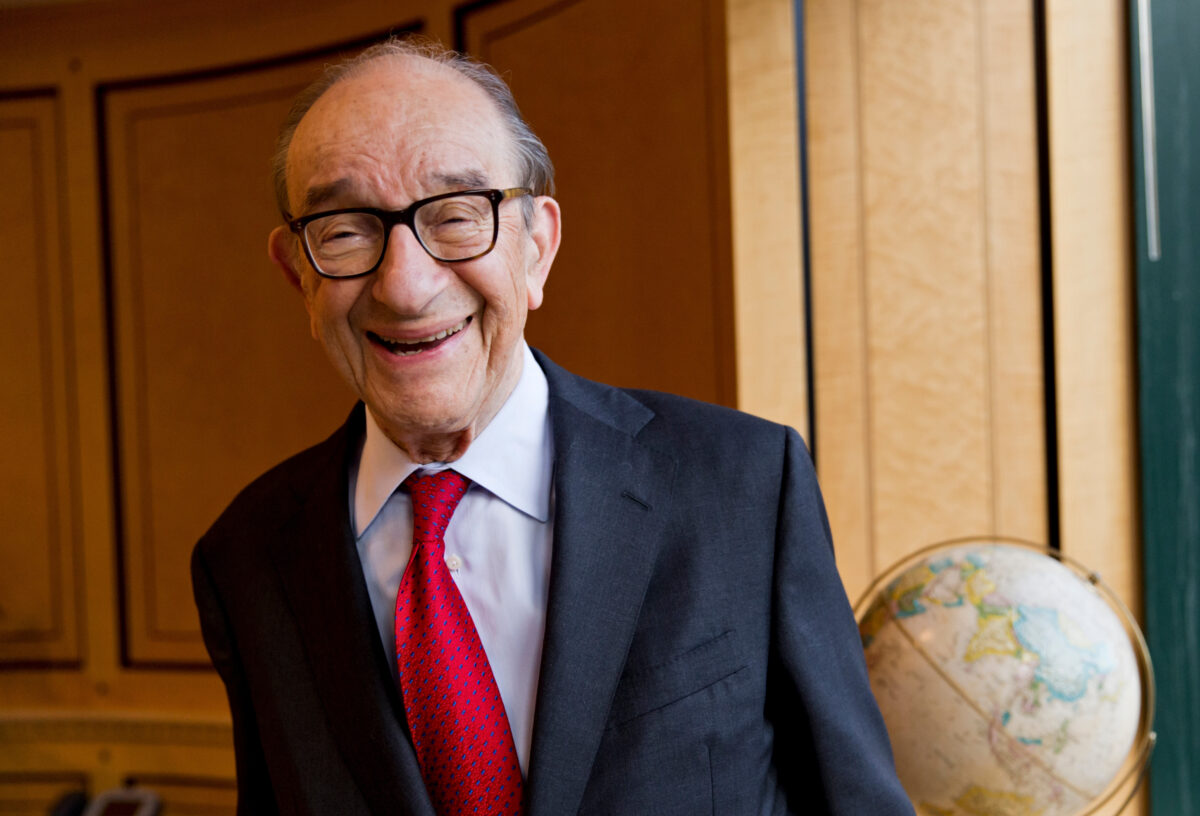

Washington, 22 June (LaPresse/AP) – Former Federal Reserve Chairman Alan Greenspan has died at the age of 100, the Fed has announced. Greenspan died from complications related to Parkinson’s disease, according to his wife, NBC News correspondent Andrea Mitchell. During his 18 and a half years at the helm of the Fed, Greenspan presided over an era of sustained growth and prosperity for the United States, which, however, ended with devastating consequences in 2008, two years after he had left the central bank. Greenspan’s reputation suffered a severe setback when the US housing market collapsed, triggering a global financial crisis that threatened to bring down the US banking system and plunged the economy into its worst recession since the 1930s. Critics attributed much of the blame for the crisis to Greenspan’s accommodative monetary policies and what they saw as an excessive reliance on financial markets, which were subject to insufficient supervision. Greenspan himself later admitted that he had ‘made a mistake’ in believing that domestic banks – whose stability underpins the financial system and the entire economy – could essentially regulate themselves.