
London (United Kingdom), 26 June (LaPresse/AP) – The Deputy Supreme Allied Commander Europe, Sir John Stringer, told the Associated Press that he hopes the summit in Turkey will spur member states to increase defence spending and serve to reaffirm support for Ukraine and underline NATO’s unity. Stringer gave the interview to the AP in London less than two weeks ahead of the crucial summit in Ankara on 7–8 July, which will test the cohesion of the Alliance, founded 77 years ago. US President Donald Trump has sent mixed signals regarding the American military presence in Europe and has threatened to withdraw from the alliance. He has also unnerved European leaders with his push to annex Greenland and his overtures towards Russian President Vladimir Putin, a NATO adversary. Last week, Secretary Pete Hegseth harshly criticised NATO allies for not allowing the use of their bases to attack Iran, whilst announcing a surprise six-month review of US forces in Europe. Meanwhile, in the United Kingdom – which holds the post of Deputy Supreme Allied Commander of NATO – several government ministers have recently resigned over what they see as military spending plans that fail to guarantee Britain’s security.
NATO, Deputy Commander Stringer: “Summit to boost defence spending and unity”
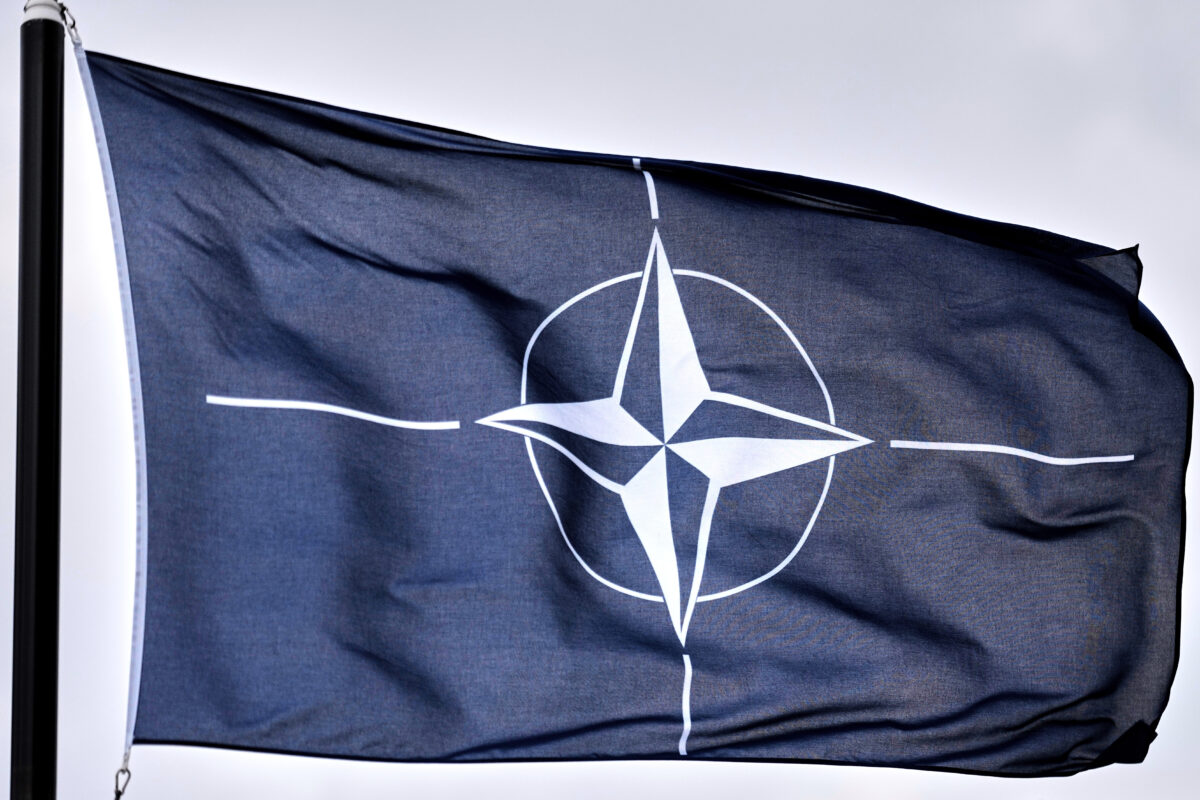

London (United Kingdom), 26 June (LaPresse/AP) – The Deputy Supreme Allied Commander Europe, Sir John Stringer, told the Associated Press that he hopes the summit in Turkey will spur member states to increase defence spending and serve to reaffirm support for Ukraine and underline NATO’s unity. Stringer gave the interview to the AP in London less than two weeks ahead of the crucial summit in Ankara on 7–8 July, which will test the cohesion of the Alliance, founded 77 years ago. US President Donald Trump has sent mixed signals regarding the American military presence in Europe and has threatened to withdraw from the alliance. He has also unnerved European leaders with his push to annex Greenland and his overtures towards Russian President Vladimir Putin, a NATO adversary. Last week, Secretary Pete Hegseth harshly criticised NATO allies for not allowing the use of their bases to attack Iran, whilst announcing a surprise six-month review of US forces in Europe. Meanwhile, in the United Kingdom – which holds the post of Deputy Supreme Allied Commander of NATO – several government ministers have recently resigned over what they see as military spending plans that fail to guarantee Britain’s security.
