Turin, 27 August (LaPresse) – On Saturday 29 August, Iceland will vote on whether to resume negotiations on EU membership. The referendum, as explained to LaPresse by the Foreign Minister and leader of the pro-European centre-right ‘Liberal Reform Party’, Thorgerour Katrin Gunnarsdottir, is taking place at a time when “Icelanders are facing real pressures”. The outcome on the island, home to nearly 400,000 people, is far from certain. According to a poll published this week by the BBC, the ‘Yes’ vote is in the lead with 51.3 per cent, compared with 48.7 per cent for the ‘No’ vote. Supporters believe that closer ties with Europe could help to curb the volatility of the Icelandic currency and the surge in the cost of living. Opponents argue that Iceland’s sovereignty and control over its fishing resources are at stake. According to Gunnarsdottir, if Iceland votes in favour of continuing negotiations, “these could potentially be concluded in as little as a year and a half”, given that much of EU legislation already applies by virtue of Iceland’s membership of the European Economic Area (EEA) and participation in the Schengen Area. However, “there will be complex chapters”, such as that on fisheries. “The Icelandic fishing sector is not only an important industry for the economy, but is part of our national identity and culture. It also raises genuine issues regarding control over our key resources,” the minister clarified. For its part, the EU is awaiting the verdict: “It is up to the Icelandic people to decide and vote, and we look forward to hearing the result. At present, we have nothing further to add,” says Paula Pinho, the European Commission’s chief spokesperson.
Iceland: referendum on Saturday to reopen EU accession negotiations
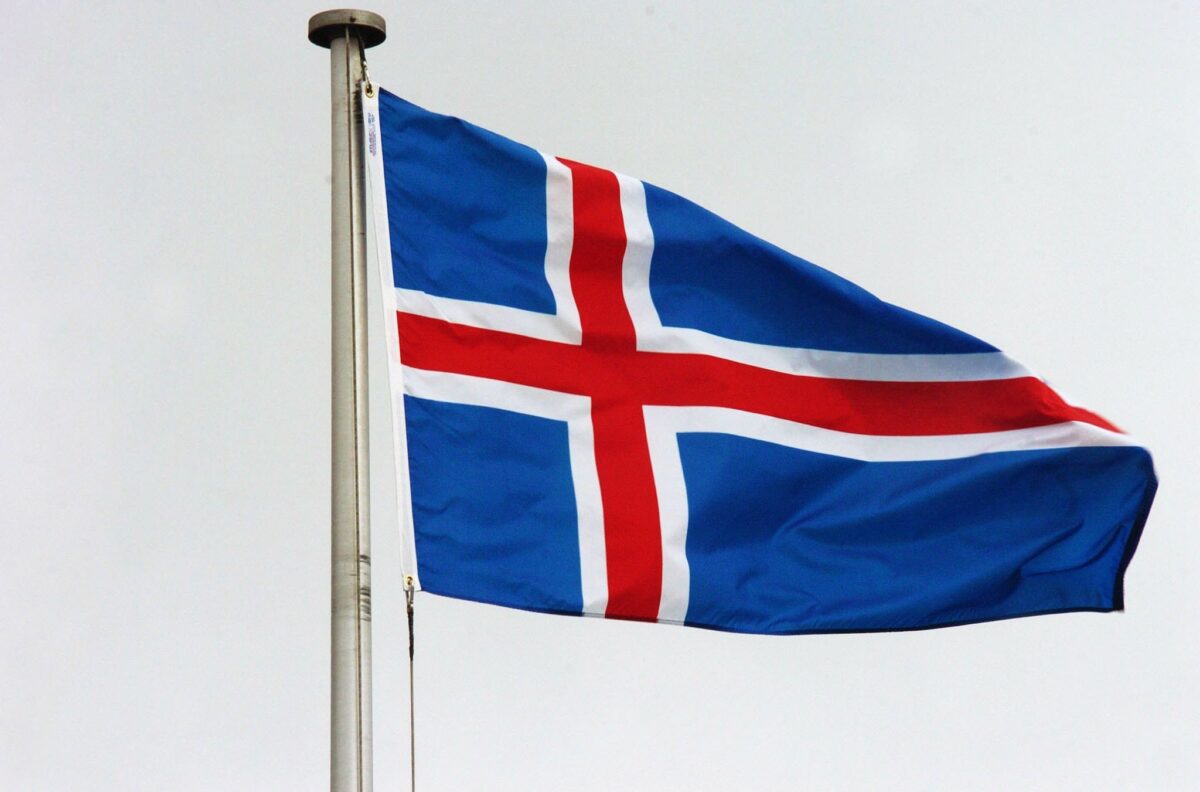

Turin, 27 August (LaPresse) – On Saturday 29 August, Iceland will vote on whether to resume negotiations on EU membership. The referendum, as explained to LaPresse by the Foreign Minister and leader of the pro-European centre-right ‘Liberal Reform Party’, Thorgerour Katrin Gunnarsdottir, is taking place at a time when “Icelanders are facing real pressures”. The outcome on the island, home to nearly 400,000 people, is far from certain. According to a poll published this week by the BBC, the ‘Yes’ vote is in the lead with 51.3 per cent, compared with 48.7 per cent for the ‘No’ vote. Supporters believe that closer ties with Europe could help to curb the volatility of the Icelandic currency and the surge in the cost of living. Opponents argue that Iceland’s sovereignty and control over its fishing resources are at stake. According to Gunnarsdottir, if Iceland votes in favour of continuing negotiations, “these could potentially be concluded in as little as a year and a half”, given that much of EU legislation already applies by virtue of Iceland’s membership of the European Economic Area (EEA) and participation in the Schengen Area. However, “there will be complex chapters”, such as that on fisheries. “The Icelandic fishing sector is not only an important industry for the economy, but is part of our national identity and culture. It also raises genuine issues regarding control over our key resources,” the minister clarified. For its part, the EU is awaiting the verdict: “It is up to the Icelandic people to decide and vote, and we look forward to hearing the result. At present, we have nothing further to add,” says Paula Pinho, the European Commission’s chief spokesperson.