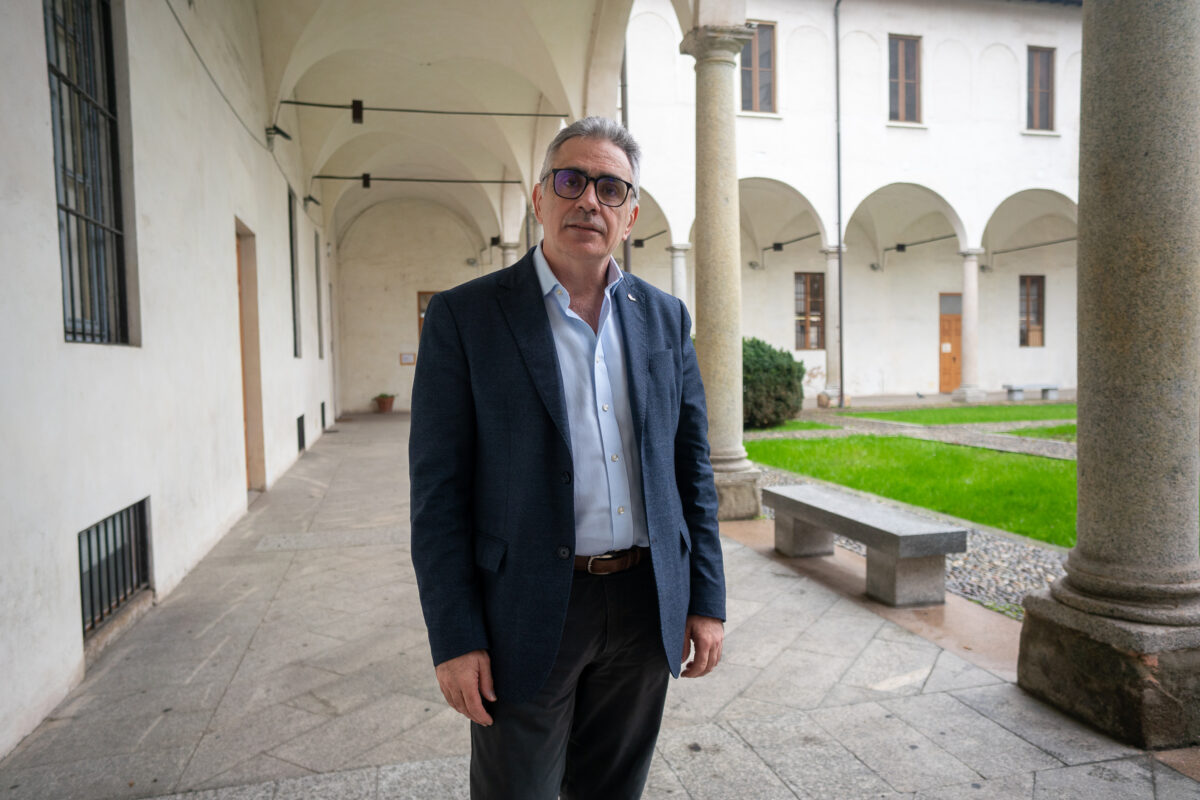
Milan, July 2 (LaPresse) – “The heatwaves affecting Italy represent an increasingly relevant health emergency. It is not just about high temperatures, but a combination of factors – intense heat, humidity, tropical nights and prolonged exposure – that prevent the body from recovering and increase the risk of illness and mortality.” This was stated by Fabrizio Pregliasco, director of the specialization school in hygiene and preventive medicine at the University of Milan “La Statale”, former president of ANPAS and vice president of Samaritan International, analyzing the health consequences for people and animals of the heatwaves affecting Italy. “Heat can cause dehydration, heatstroke, fainting, worsening of cardiovascular, respiratory, renal and neurological diseases, as well as metabolic alterations and complications in the most vulnerable individuals. Particularly at risk are the elderly, young children, pregnant women, people with chronic diseases and those who work or engage in outdoor physical activity. An often underestimated aspect is medication: diuretics, antihypertensives, some psychotropic drugs and other medicines can alter the body’s ability to adapt to heat. It is therefore important that the most fragile patients maintain contact with their doctor without independently stopping treatments,” Fabrizio Pregliasco stressed. “Special attention must be paid to pets. Dogs and cats suffer from heat at least as much as humans and can quickly develop heatstroke, especially if they are brachycephalic, elderly, obese or affected by chronic diseases. It is essential to always provide fresh water, shaded and well-ventilated environments, avoid walks during the hottest hours, not allow dogs to walk on scorching asphalt and, above all, never leave an animal inside a car, even for a few minutes. Even with slightly open windows, the internal temperature can reach lethal levels very quickly. It is also worth remembering that heat promotes fleas, ticks and mosquitoes, making parasite protection even more important,” Fabrizio Pregliasco added.
Milan, July 2 (LaPresse) – “The heatwaves affecting Italy represent an increasingly relevant health emergency. It is not just about high temperatures, but a combination of factors – intense heat, humidity, tropical nights and prolonged exposure – that prevent the body from recovering and increase the risk of illness and mortality.” This was stated by Fabrizio Pregliasco, director of the specialization school in hygiene and preventive medicine at the University of Milan “La Statale”, former president of ANPAS and vice president of Samaritan International, analyzing the health consequences for people and animals of the heatwaves affecting Italy.
“Heat can cause dehydration, heatstroke, fainting, worsening of cardiovascular, respiratory, renal and neurological diseases, as well as metabolic alterations and complications in the most vulnerable individuals. Particularly at risk are the elderly, young children, pregnant women, people with chronic diseases and those who work or engage in outdoor physical activity. An often underestimated aspect is medication: diuretics, antihypertensives, some psychotropic drugs and other medicines can alter the body’s ability to adapt to heat. It is therefore important that the most fragile patients maintain contact with their doctor without independently stopping treatments,” Fabrizio Pregliasco stressed.
“Special attention must be paid to pets. Dogs and cats suffer from heat at least as much as humans and can quickly develop heatstroke, especially if they are brachycephalic, elderly, obese or affected by chronic diseases. It is essential to always provide fresh water, shaded and well-ventilated environments, avoid walks during the hottest hours, not allow dogs to walk on scorching asphalt and, above all, never leave an animal inside a car, even for a few minutes. Even with slightly open windows, the internal temperature can reach lethal levels very quickly. It is also worth remembering that heat promotes fleas, ticks and mosquitoes, making parasite protection even more important,” Fabrizio Pregliasco added.